
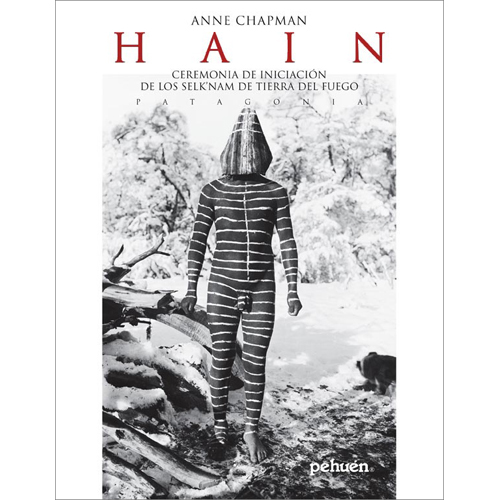
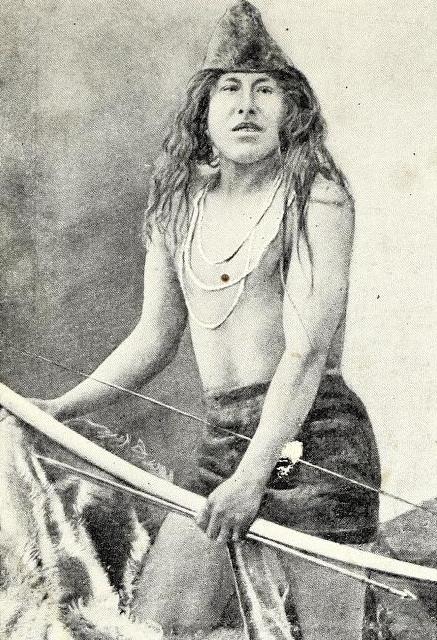
The Selk’nam (or Ona) were nomadic hunters who lived on the plains and forests of Tierra del Fuego for thousands of years. Their society was organised in patrilineal bands of 40–120 people, each with defined territory across the Fuegian steppe. Guanaco hunting with bow and bola was central, and a multi-week male initiation ceremony, the Hain, with elaborate masked performances, formed the core of their spiritual order. Around 1880 they numbered roughly 4,000.
From the late 1870s sheep companies enclosed the steppe. Ranchers and hired killers were paid documented bounties for each Selk’nam killed. The genocide cut the population to under 300 by 1910 and to about 100 by 1930. The last person identified as fully Selk’nam, Ángela Loij, died in 1974, and the last fluent speakers in the 1980s. Descendants of mixed ancestry still live in the region, and on 5 September 2023 Chile’s Congress formally recognised the Selk’nam as one of its original peoples and a living community.
Worth remembering
- The Selk'nam lived in patrilineal bands of 40–120 with bounded hunting territories across the Fuegian steppe; their weeks-long male initiation, the Hain, used masked figures representing spirits.
- From the 1880s sheep ranchers fenced the hunting grounds and then paid documented bounties — for Selk'nam ears or hands — funding an extermination that cut the population by over 90% within two decades.
The people
-
Ángela Loij — Last person identified as fully Selk'nam, c. 1900–1974
Loij was the last documented full Selk'nam speaker and cultural bearer; her death in 1974 ended unbroken transmission of the language and ceremony.
Gallery
Further reading
Sources
- The Selk'nam fell from about 4,000 in the 1880s to roughly 100 by 1930; settlers and mercenaries were paid bounties per Selk'nam killed; the last fully Selk'nam person, Ángela Loij, died in 1974. Wikipedia
- On 5 September 2023 Chile's National Congress recognised the Selk'nam as one of the country's original peoples, acknowledging them as a living community. Wikipedia
- The Ona (Selk'nam) were hunter-gatherers in patrilineal bands of 40–120 who hunted guanaco and held a male initiation ceremony, the Hain. Encyclopaedia Britannica
A graveyard tradition: leave a stone to show you came, and remembered.