The empire that built the Taj Mahal and once ruled a quarter of humanity, hollowed out until a British company pensioned off Bahadur Shah II, its last emperor.
Born
1526 CE
Died
1857 CE
Lived
331 years
Dead for
169 yrs
Cause of death
Conquest
Replaced by
British Raj (Crown rule over India)
The Obituary
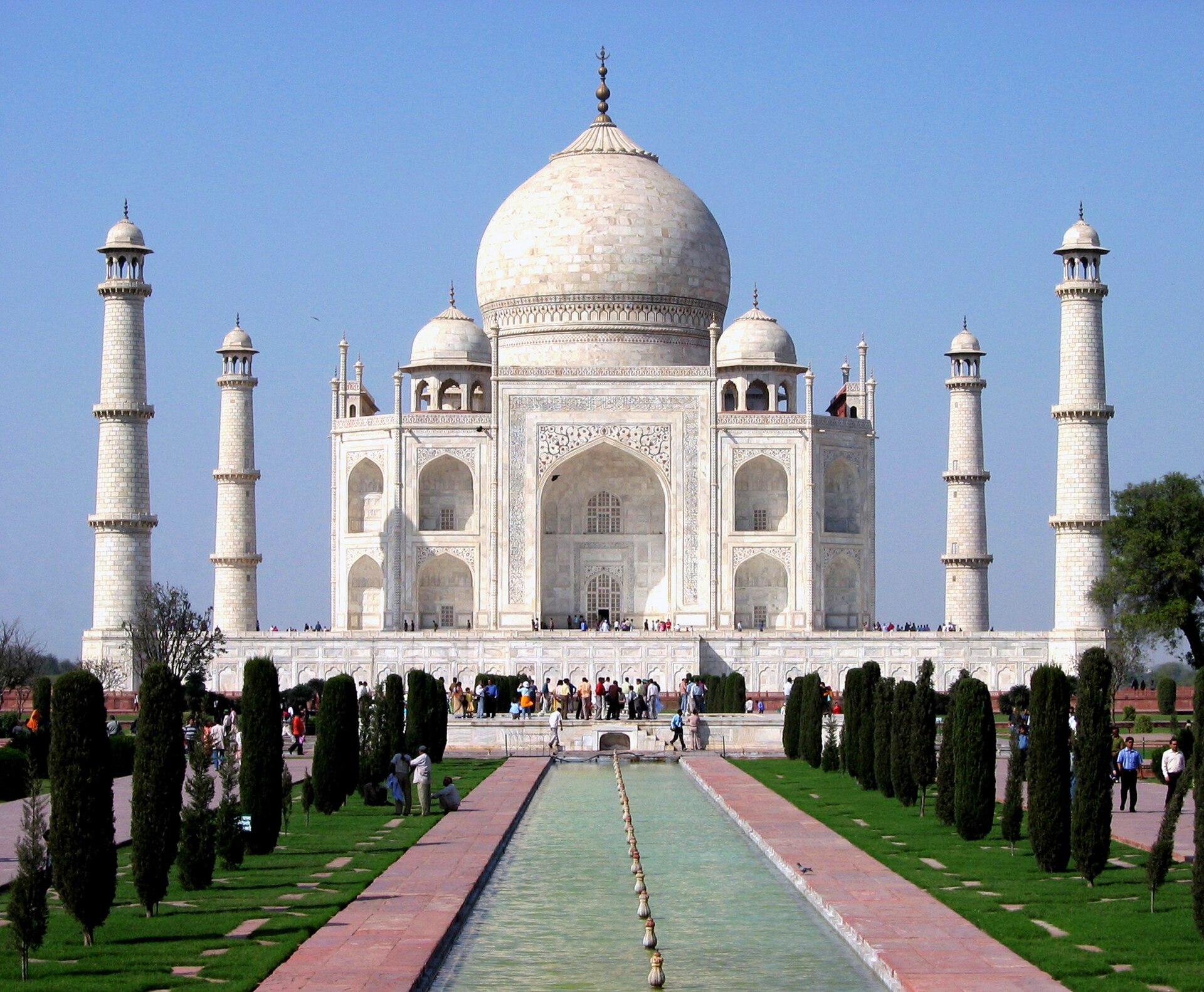
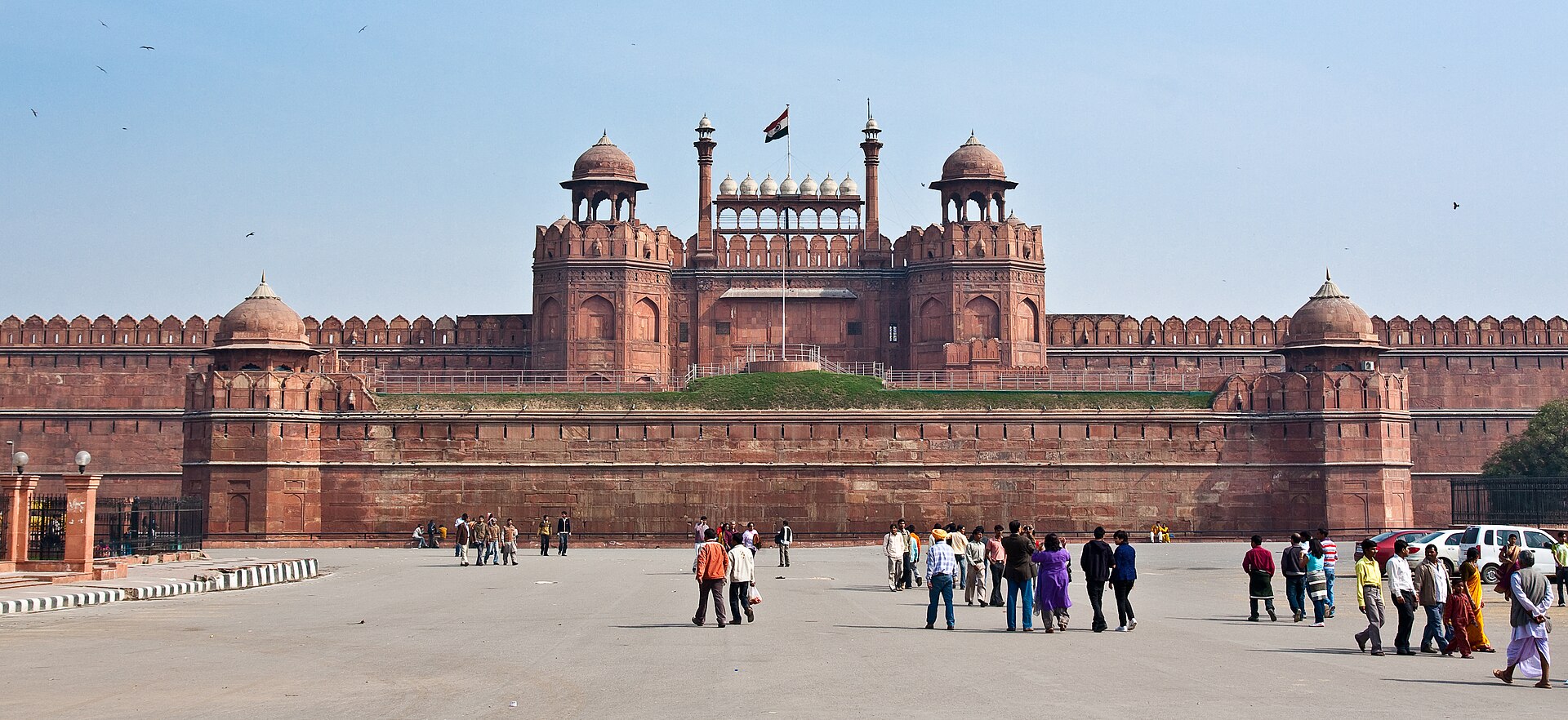
The Mughal Empire began in 1526 when Babur, a Timurid prince from Central Asia, crushed the Delhi Sultanate at Panipat. Over the next two centuries it grew into one of the wealthiest states on Earth, ruling most of the Indian subcontinent and leaving behind Shah Jahan’s Taj Mahal, Delhi’s Red Fort, and a vast administrative system. After Aurangzeb’s death in 1707 the empire fractured, and the British East India Company filled the vacuum. By 1857 the emperor was a pensioner in his own palace; the failed rebellion that year gave Britain the pretext to abolish the throne entirely.
Worth remembering
At its height under Aurangzeb around 1700 it ruled roughly 150 million people and produced about a quarter of world manufacturing output.
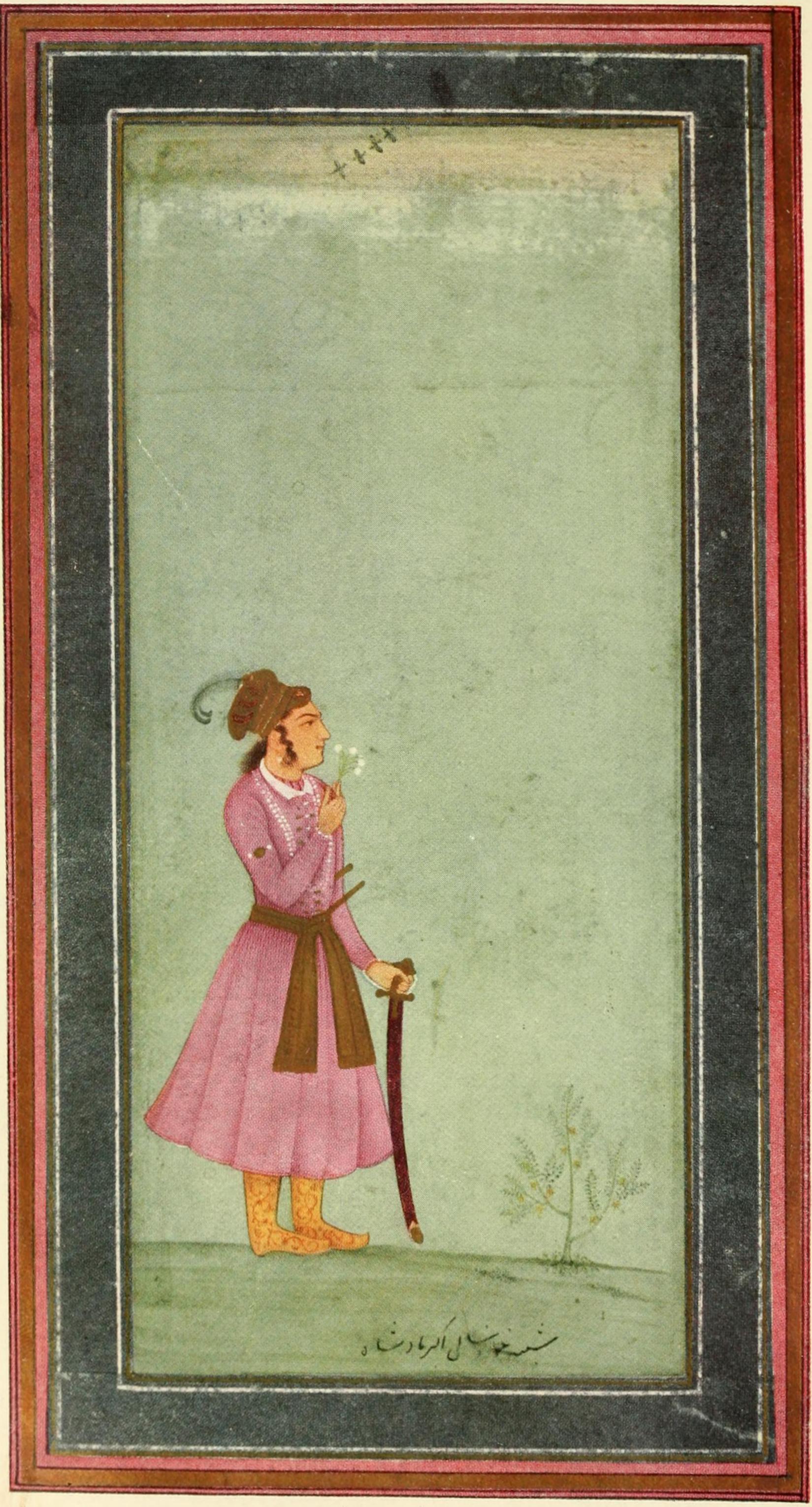
Akbar promoted a syncretic court religion, Din-i Ilahi, and abolished the jizya tax on non-Muslims.
Gallery
Period portrait of the Mughal emperor Akbar the GreatPublic domainThe Mughal-era Red Fort (Lal Qila) in DelhiPerSona77 · CC BY-SA 3.0
Watch
The Mughal Empire and historical reputation — Crash Course World History
Sources
Mughal Empire founded 1526 by Babur; formally dissolved 1857 after British exiled Bahadur Shah II Wikipedia
Taj Mahal commissioned by Shah Jahan, completed c. 1648 Wikipedia
The Mughal Empire produced extraordinary architectural monuments, including the Taj Mahal, Red Fort, and Fatehpur Sikri, and at its height under Aurangzeb controlled most of the Indian subcontinent World History Encyclopedia
The Mughal dynasty was founded in 1526 by Babur, a Timurid descendant, and was formally dissolved in 1857 when the British East India Company exiled Bahadur Shah II after the Indian Rebellion Encyclopaedia Britannica
Emperor Akbar promoted religious syncretism and extended Mughal rule to most of the subcontinent; his court became a center of Persian-influenced art and literature World History Encyclopedia
A graveyard tradition: leave a stone to show you came, and remembered.
Buried nearby — by shared fate or a neighbouring lifespan.