Rome's great rival across three Punic Wars and the home city of Hannibal, erased so completely that 'Carthage must be destroyed' became a byword for total ruin.
Born
814 BCE
Died
146 BCE
Lived
668 years
Dead for
2,172 yrs
Cause of death
Conquest
Replaced by
Roman province of Africa
The Obituary
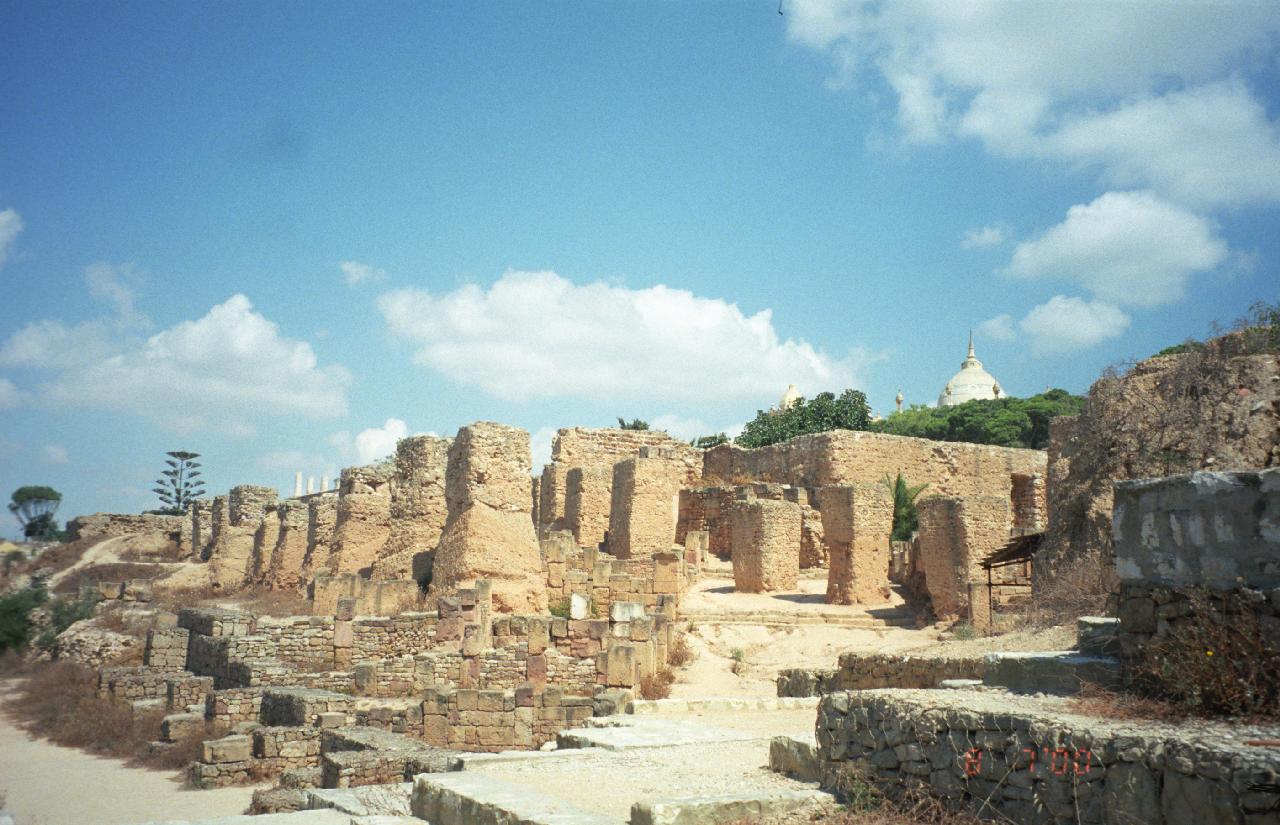
Founded c. 814 BCE by Phoenician colonists from Tyre, Carthage grew into the commercial and naval power of the western Mediterranean, with a trading empire stretching across North Africa, Sicily, Sardinia, and Iberia. Three Punic Wars pitted it against Rome; Hannibal’s near-victory in the second was eventually reversed at Zama in 202 BCE. In the third war Rome besieged and stormed the city in 146 BCE, killing or enslaving the survivors and demolishing the site. The land became a Roman province, and the Carthaginian state was gone for good.
Worth remembering
Hannibal famously crossed the Alps with war elephants to invade Italy in 218 BCE.
It dominated western Mediterranean trade for centuries from its great double harbor.
Gallery
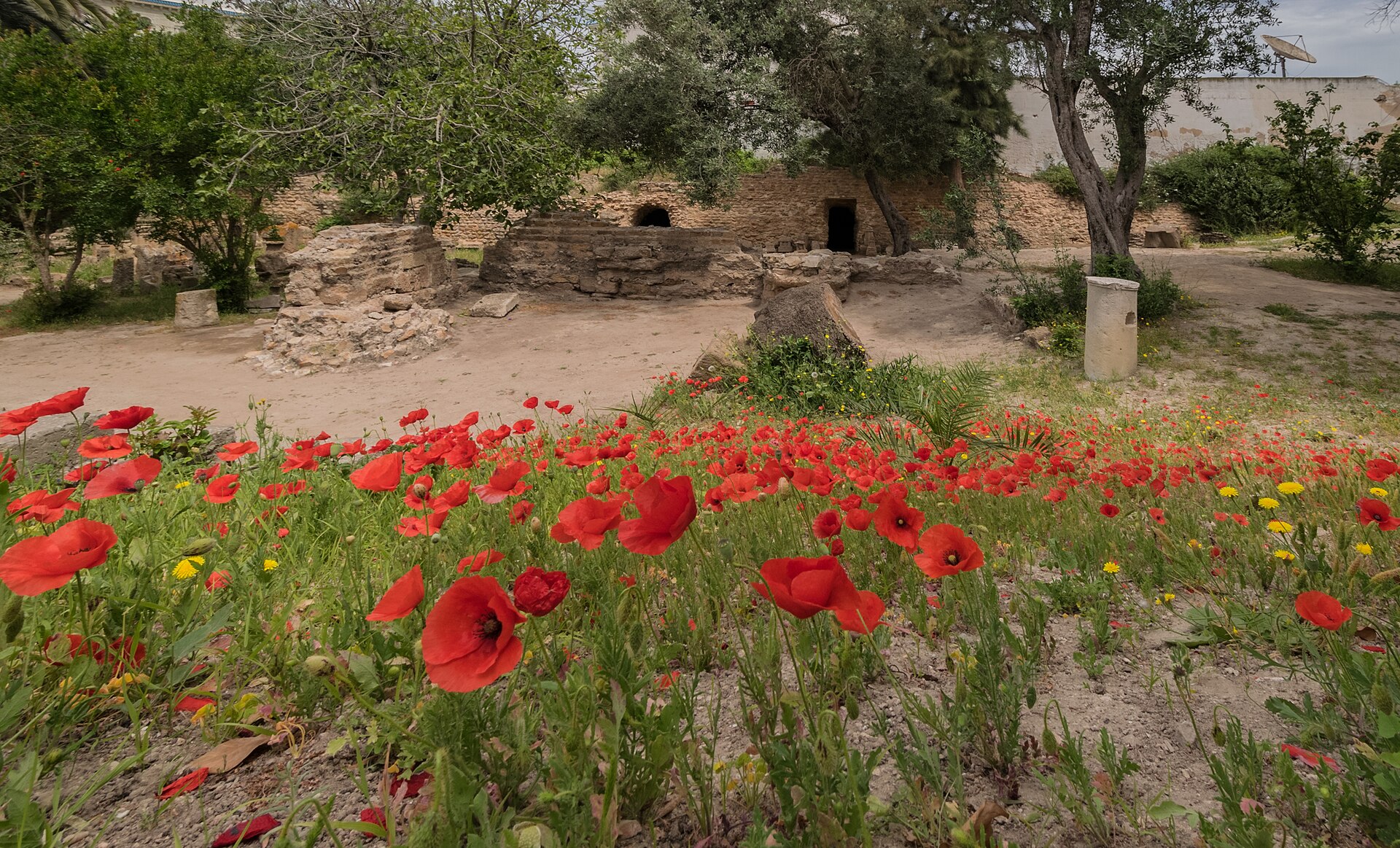
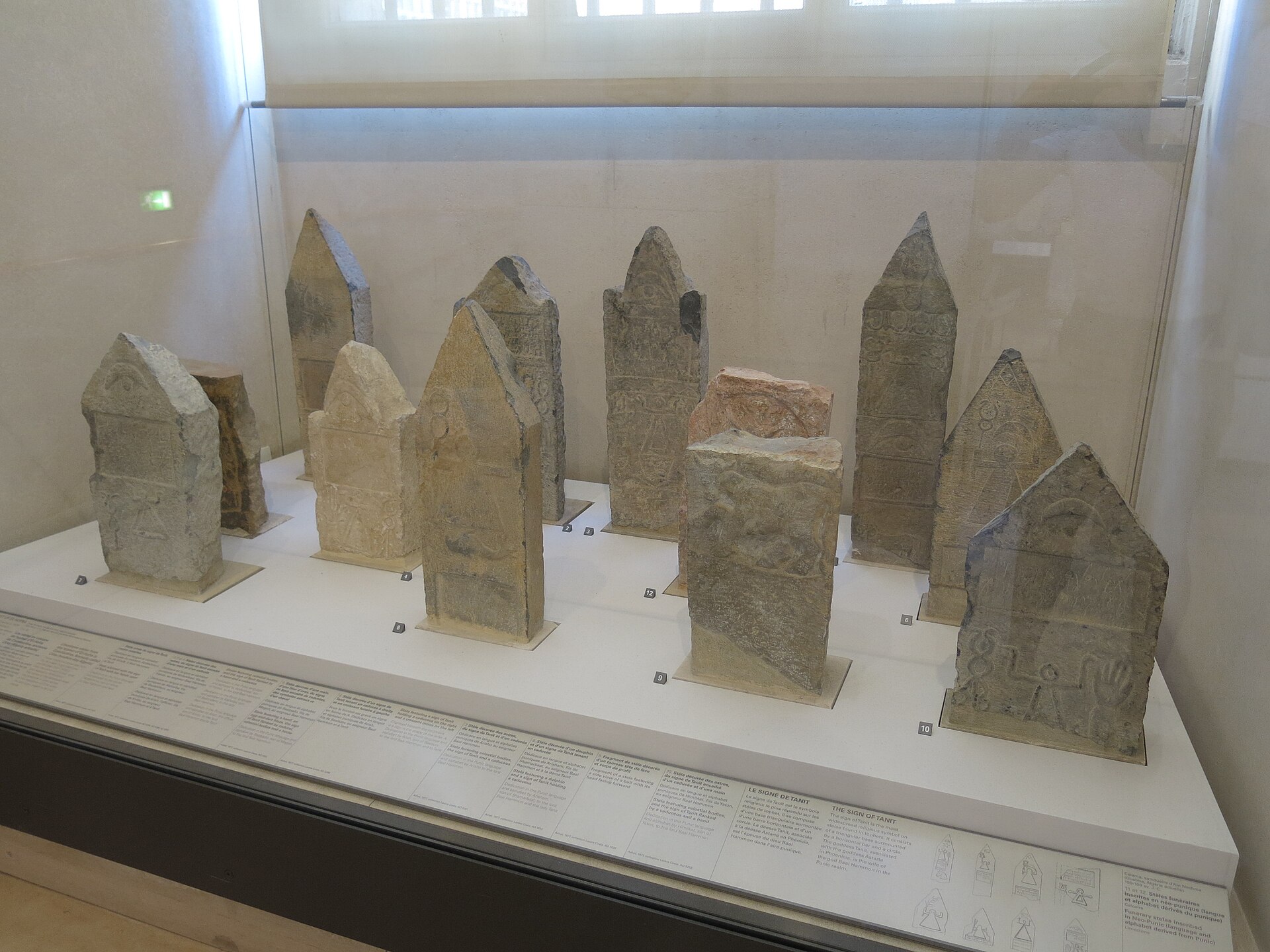
The Tophet of Carthage, a Punic burial precinct, TunisiaIssamBarhoumi · CC BY-SA 4.0Punic funerary steles from the Carthage Tophet, LouvrePublic domain
Watch
Hannibal: A Campaign of Vengeance — History Channel
Sources
Carthage founded by Phoenician settlers c. 814 BCE Wikipedia
Carthage grew from a Phoenician trading post into the richest city in the Mediterranean before 260 BCE, dominating western trade with a powerful navy and mercenary army; three Punic Wars against Rome ended its existence World History Encyclopedia
The three Punic Wars (264–146 BCE) ended with Rome besieging and storming Carthage in 146 BCE; the survivors were killed or enslaved and the site demolished, making Roman Africa a new province World History Encyclopedia
A graveyard tradition: leave a stone to show you came, and remembered.
Buried nearby — by shared fate or a neighbouring lifespan.