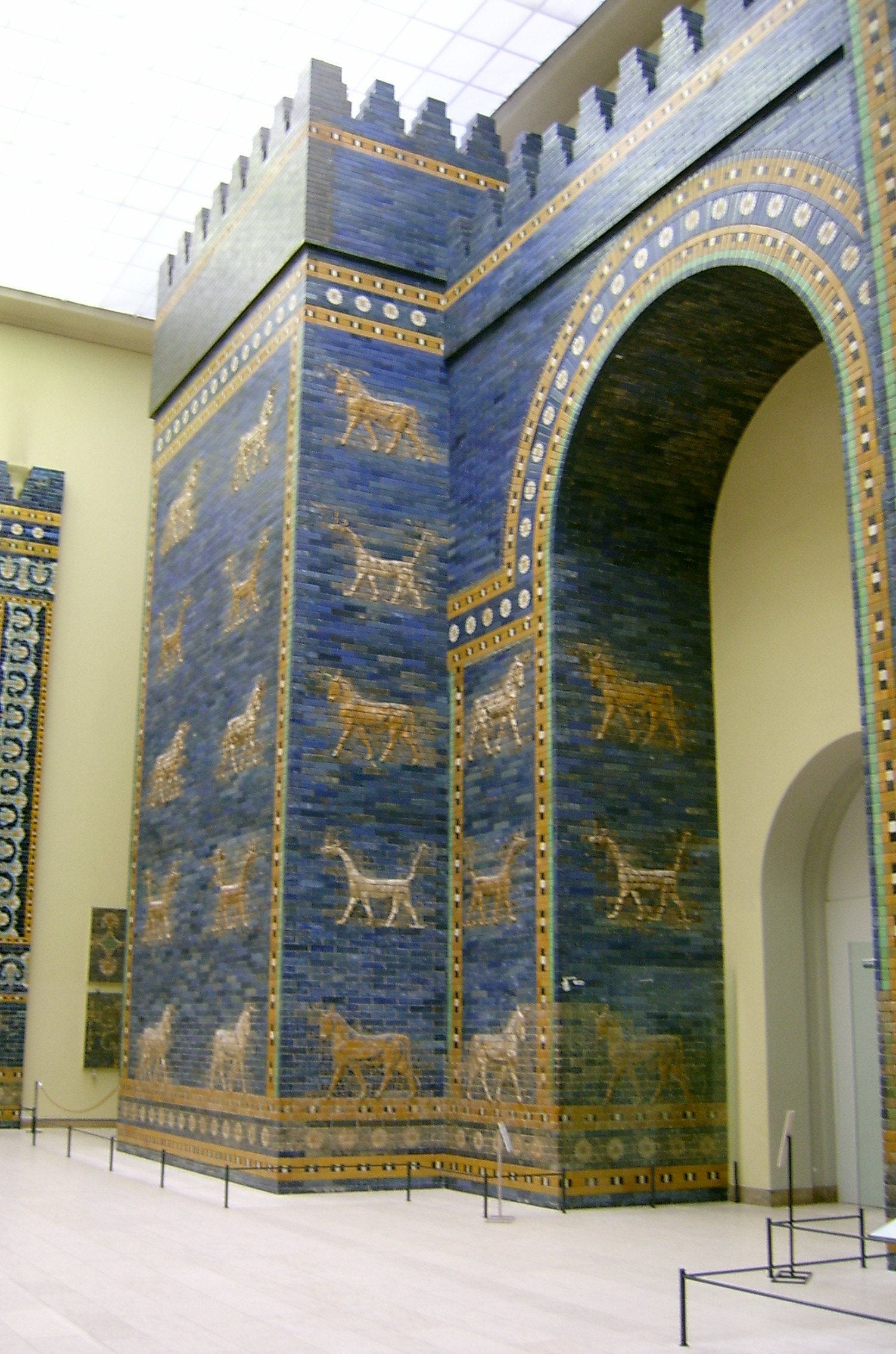
Babylon was the city the ancient world measured itself against. Founded around 1894 BCE on the Euphrates by the Amorite king Sumu-abum, it became the heart of Mesopotamia twice over: first under Hammurabi, whose law code fixed Babylon as the seat of order in the eighteenth century BCE, and again a thousand years later under Nebuchadnezzar II, who rebuilt it as the largest and most splendid city on earth — blue-glazed walls, a ziggurat the Hebrews remembered as Babel, processional avenues, and gardens later counted among the Seven Wonders. To its neighbours, Babylon was less a place than the definition of a city.
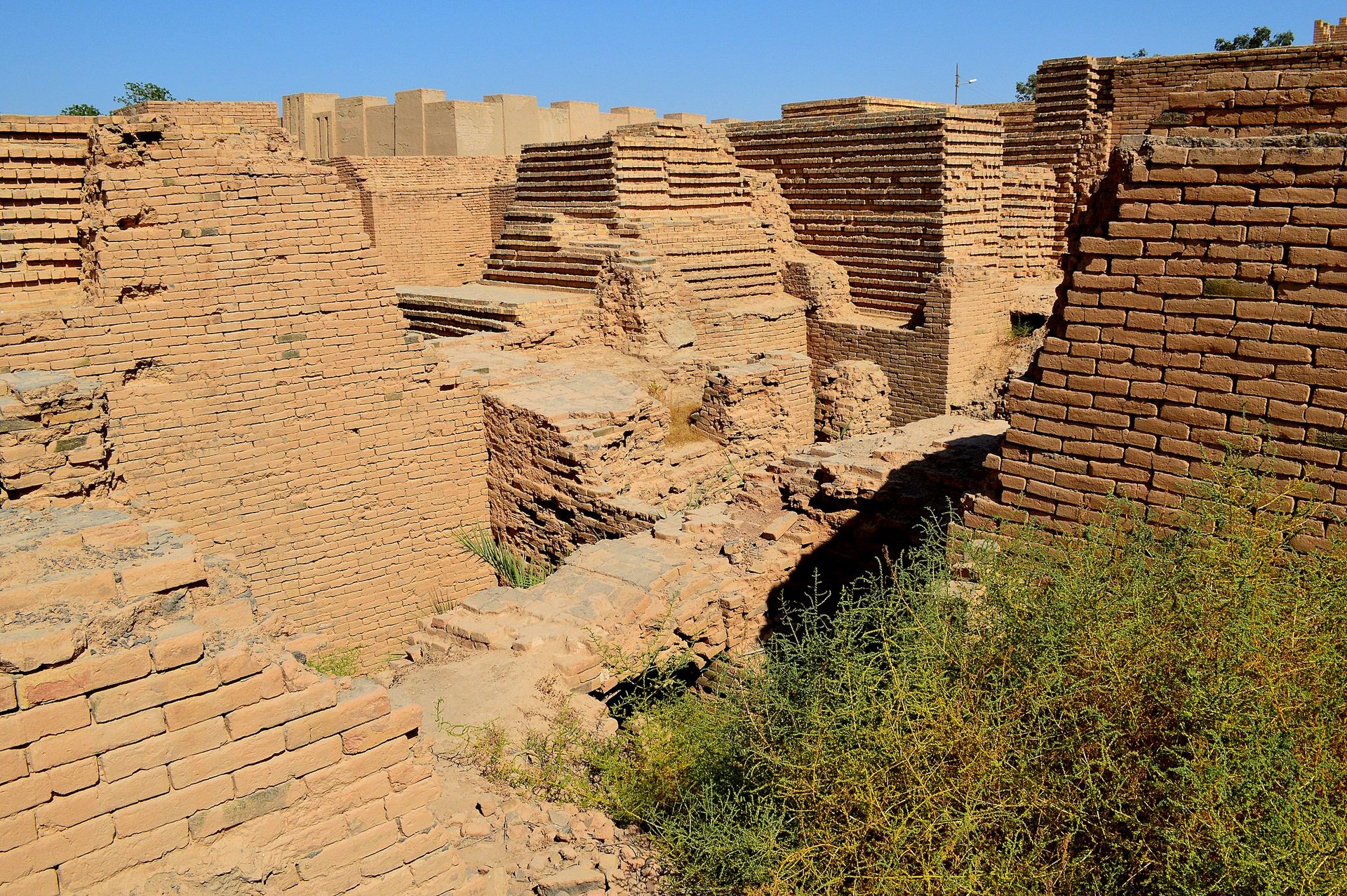
Its fall was almost an anticlimax. In 539 BCE, Cyrus the Great of Persia diverted the Euphrates and entered Babylon with barely a fight; the greatest city in the world changed owners in a night and never ruled itself again. It lived on for centuries as a Persian, then Greek, then Parthian provincial town, shrinking as Seleucia and other new capitals drew off its people. The cuneiform that had recorded four thousand years of Mesopotamian life was last written around 35 BCE; the city was empty mounds within a few centuries more. What outlived the place was the idea of it — Babel, the Whore of Babylon, the gardens no one can find — a metaphor for greatness and corruption that has comfortably outlasted every brick.
Worth remembering
- Hammurabi's law code (c. 1754 BCE), cut into a 2.25-metre black diorite stele, set down 282 laws with graduated punishments — among the earliest written legal systems humanity has.
- Nebuchadnezzar II rebuilt Babylon in glazed blue brick and is credited with the Hanging Gardens, one of the Seven Wonders — a wonder no archaeologist has ever located, possibly the city's last unkept promise.
Gallery
Watch
Sources
- The Old Babylonian Empire was founded c. 1894 BCE under Sumu-abum; under Hammurabi (r. 1792 BCE) Babylon became the dominant power of Mesopotamia. Encyclopaedia Britannica
- Under Nebuchadnezzar II the Neo-Babylonian Empire controlled Mesopotamia, Syria and the Levant; Babylon, at ~900 hectares, was the largest city in the world. World History Encyclopedia
- Nebuchadnezzar II's Ishtar Gate (c. 575 BCE) stood over 14 m tall, faced in blue-glazed brick with rows of moulded lions, dragons and aurochs; its excavated remains now fill a hall of the Pergamon Museum in Berlin. National Geographic Education
A graveyard tradition: leave a stone to show you came, and remembered.