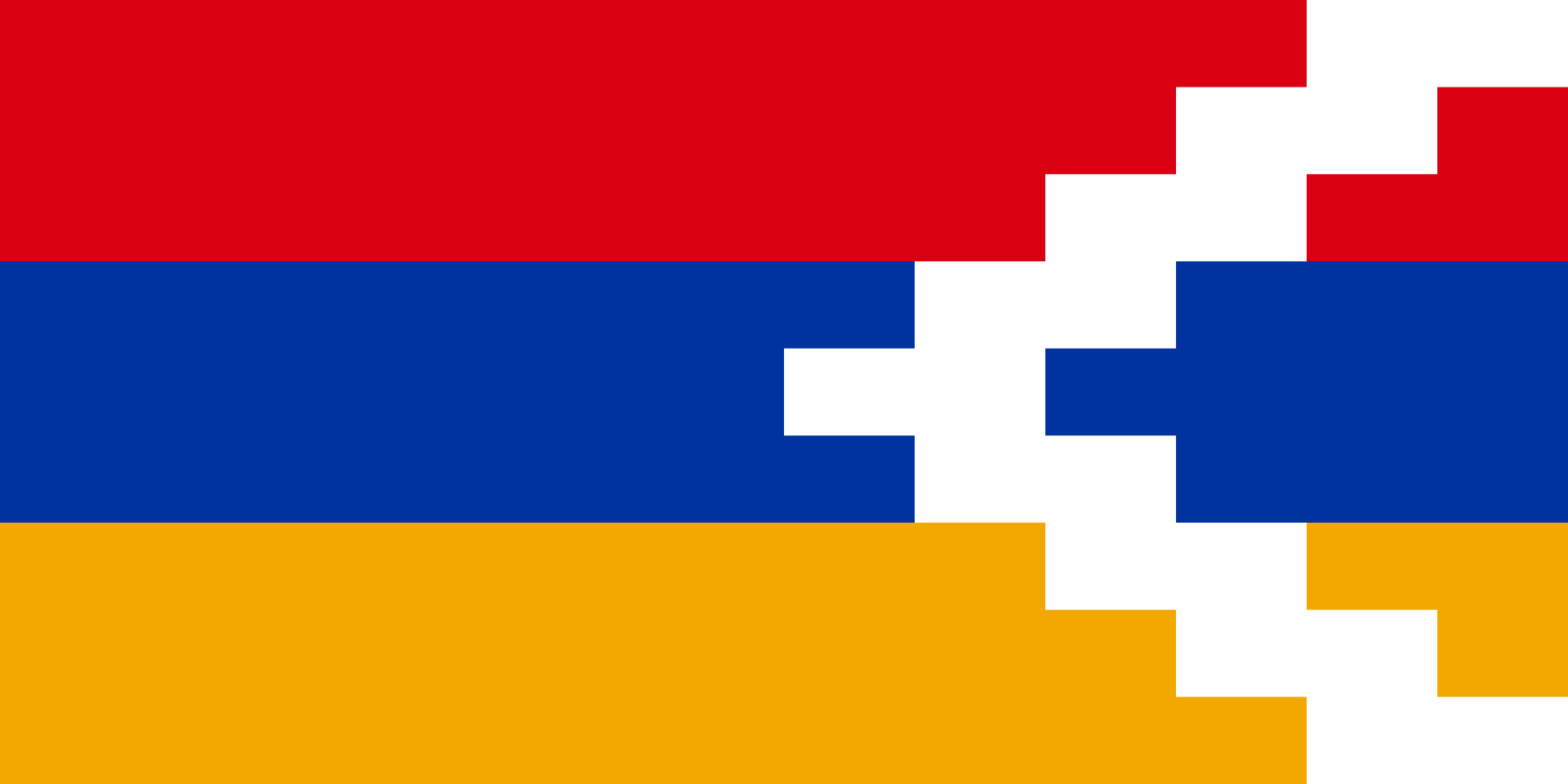
The Republic of Artsakh — better known to the outside world as Nagorno-Karabakh — was one of the longest-surviving unrecognised states of the post-Soviet world. It began as a late-Soviet campaign by the Armenian majority of an autonomous region inside Soviet Azerbaijan to join Armenia, and hardened into a self-declared republic when the USSR collapsed in 1991. The First Karabakh War left Armenian forces in control of the enclave and a belt of surrounding Azerbaijani districts, and for thirty years Artsakh governed itself from Stepanakert — with its own flag, parliament, and army — while no country on earth, not even Armenia, formally recognised it.
Its survival had always depended on Armenian protection and on a military balance that shifted decisively against it. Azerbaijan retook much of the territory in a six-week war in 2020, leaving the enclave dependent on a single mountain road, the Lachin corridor, watched by Russian peacekeepers. When that road was blockaded for nine months in 2022–23, the population was cut off from food, fuel, and medicine. On 19 September 2023 Azerbaijan launched a two-day offensive; the Karabakh forces capitulated within a day, and within a week practically the entire ethnic-Armenian population — around 100,000 people — had fled to Armenia. With no one left to govern, the republic’s president signed a decree dissolving every state institution, and on 1 January 2024 the Republic of Artsakh formally ceased to exist, a polity that ended not with a treaty but with the departure of its people.
Worth remembering
- It grew out of a late-Soviet movement to unite the Armenian-majority enclave of Nagorno-Karabakh with Armenia; the First Karabakh War (1992–94) left Armenian forces holding the enclave plus seven surrounding Azerbaijani districts — roughly a fifth of Azerbaijan's territory.
- For three decades it survived unrecognised, propped up by Armenia for its budget, currency, and defence, until the 2020 war and then a nine-month blockade of the Lachin corridor — the single road to Armenia — left it unable to withstand the final 2023 offensive; its last president, Samvel Shahramanyan, signed the decree dissolving the state.
Gallery
Watch
Sources
- President Samvel Shahramanyan signed a decree on 28 September 2023 ordering all state institutions dissolved, with the Republic of Nagorno-Karabakh (Artsakh) ceasing to exist on 1 January 2024; over 100,000 ethnic Armenians fled within days of Azerbaijan's 19 September 2023 offensive Al Jazeera
- After the 1994 ceasefire Nagorno-Karabakh was left de facto independent with a government in Stepanakert, controlling the enclave plus surrounding districts and reliant on Armenia; it was never recognised by any UN member Council on Foreign Relations
A graveyard tradition: leave a stone to show you came, and remembered.