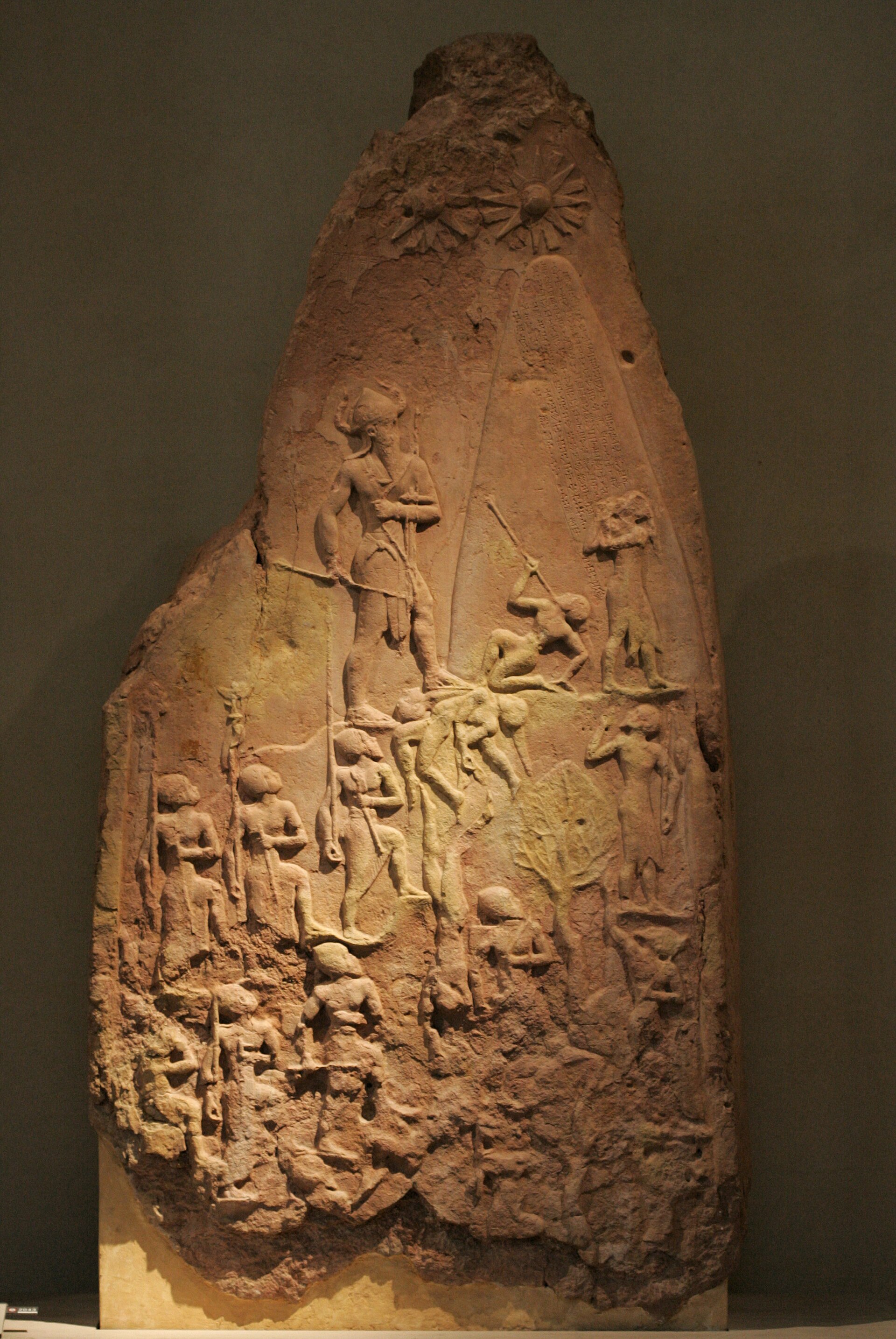
The Akkadian Empire is the first thing in history that historians are willing to call an empire. Around 2334 BCE Sargon of Akkad welded the rival city-states of Sumer into a single realm ruled from a capital — Akkad — whose location has never been found.
It held for roughly five generations. Then, around 2154 BCE, it came apart with startling speed. The traditional account blames the Gutians, mountain peoples who pressed in from the Zagros. Paleoclimate records add a second killer: a sharp, sustained drought (the so-called 4.2-kiloyear event) that struck the rain-fed north. The first empire died of a changing sky as much as a hostile army — a pattern its successors would repeat for four thousand years.
Worth remembering
- Its kings were the first rulers in history to claim the whole earth, styling themselves 'king of the four quarters of the world.'
- Sargon's daughter Enheduanna, high priestess at Ur, is the earliest author known to history by name — poetry signed by a real person, 4,300 years ago.
Gallery
Watch
Sources
- Founded by Sargon ~2334 BCE; first empire Encyclopaedia Britannica
- Collapse ~2154 BCE linked to abrupt aridification (4.2 ka event) Wikipedia
- The city-state of Akkad gave rise to the first multinational empire in history; Sargon of Akkad (r. 2334–2279 BCE) unified Mesopotamia and styled his successors 'king of the four quarters of the world' World History Encyclopedia
- Sargon of Akkad was regarded as a semi-sacred figure for at least 1,500 years after his death, serving as the model for later Mesopotamian rulers; his daughter Enheduanna is the earliest named author in history World History Encyclopedia
A graveyard tradition: leave a stone to show you came, and remembered.