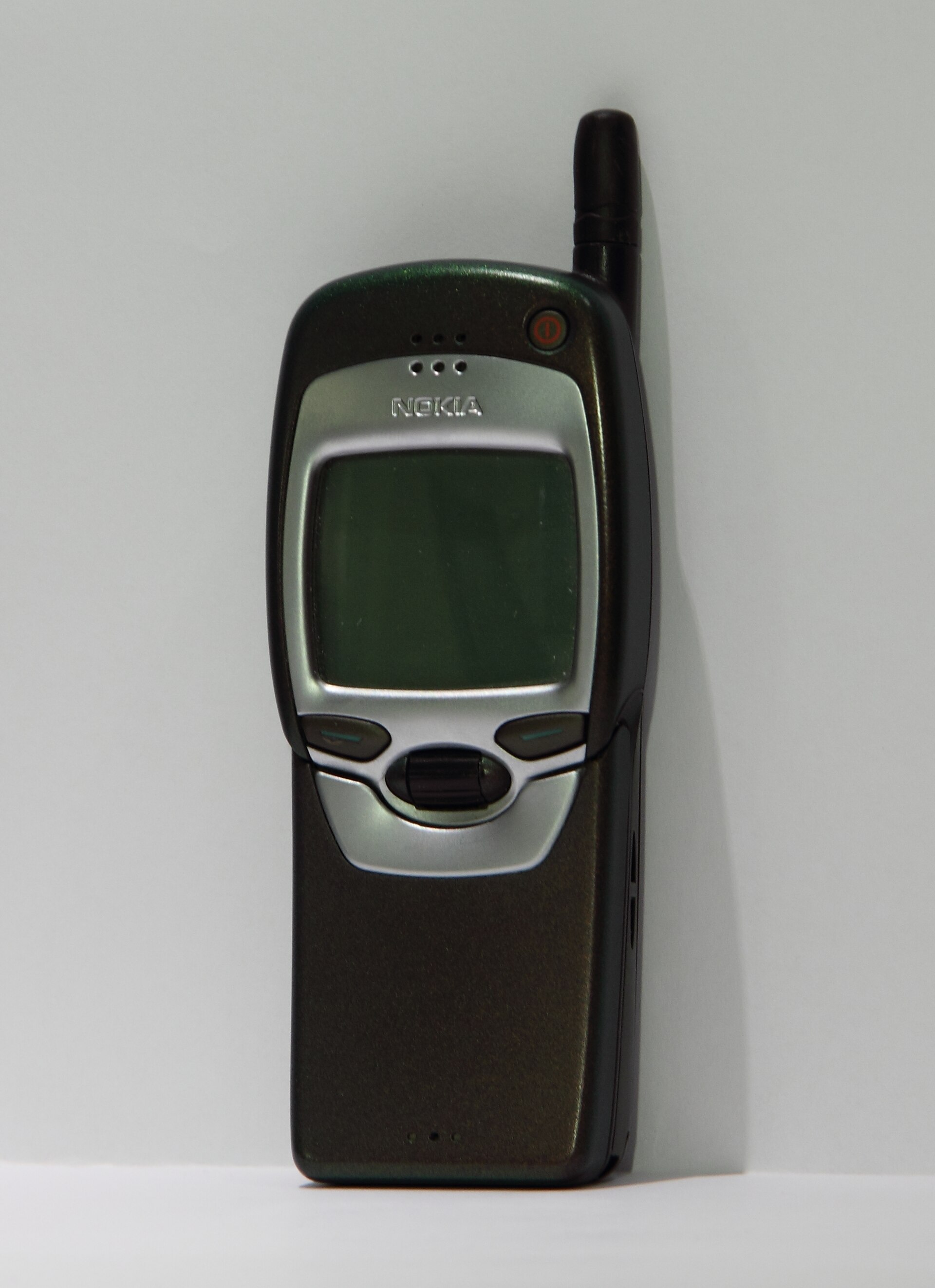
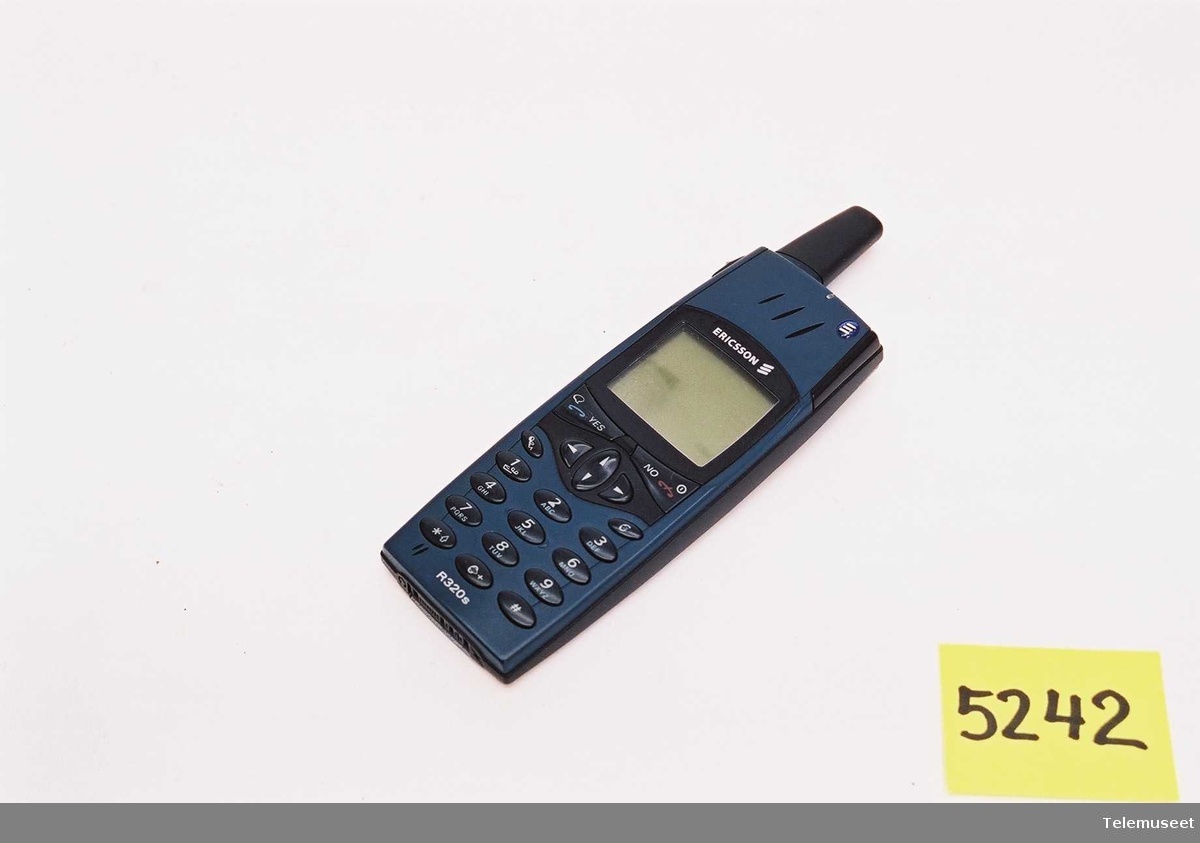
WAP was a protocol stack that let phones reach simplified internet content through Wireless Markup Language pages served by WAP gateways. Ericsson, Motorola, Nokia and Unwired Planet founded the WAP Forum in 1997 and launched commercial services in 1999. The promise was internet on a phone; the reality was constrained — text-heavy pages, rare images, slow loads and per-kilobyte or per-minute billing that made browsing expensive. A modest revival came in 2003-2004 as GPRS improved speeds and services like Vodafone Live! gave WAP something to show. In Japan, NTT DoCoMo’s rival i-mode service, launched in February 1999, reached tens of millions of subscribers and far outpaced WAP locally.
The iPhone’s 2007 launch ended WAP’s relevance. Mobile Safari rendered ordinary HTML rather than a stripped-down substitute, and within two years Android pushed the same capability to a wider market. By 2010 most new smartphones shipped without a WAP browser. The protocol was not killed by a single failure; full-quality browsers simply made a parallel, inferior web unnecessary, and by 2013 WAP traffic had effectively gone to zero.
Worth remembering
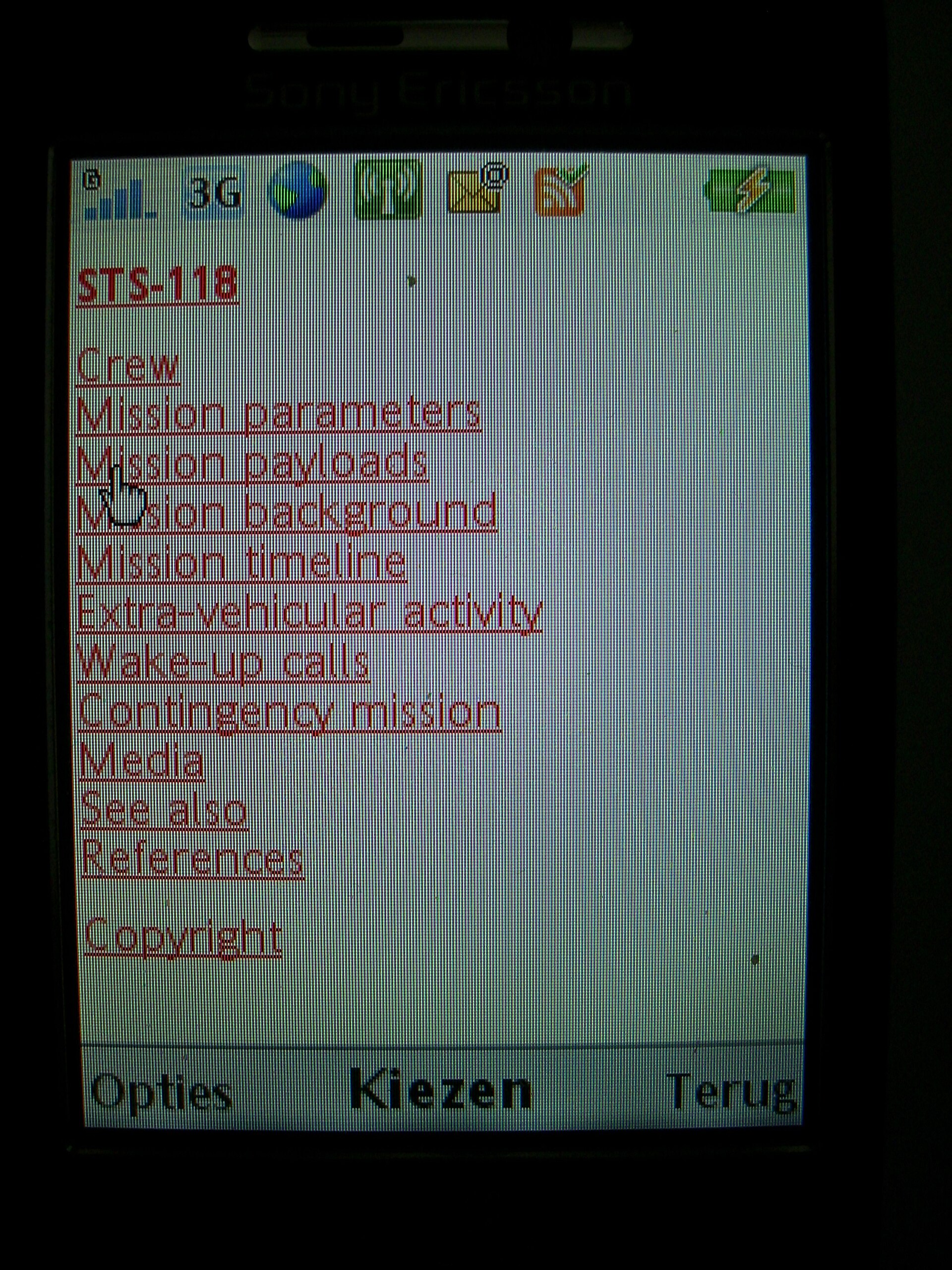
- WAP used Wireless Markup Language pages that mostly loaded as grey text with no images at 9.6-14.4 Kbps on GSM, billed by the kilobyte or the minute — so casual browsing was slow and expensive.
- Users coined 'Worthless Application Protocol' and 'Wait And Pay' within months of its 1999 debut, a nickname that stuck for the rest of its life.
Gallery
Watch
Sources
- WAP was introduced in 1999; UK WAP traffic doubled in 2003-2004, then declined from around 2010 as HTML-capable phones spread, and was largely gone by 2013. Wikipedia
- WAP was conceived in 1997 by Ericsson, Motorola, Nokia and Unwired Planet and is now obsolete as modern phones use full browsers. TechTarget
- In Japan, NTT DoCoMo's rival i-mode launched in February 1999 and reached tens of millions of subscribers, far outpacing WAP locally. Wikipedia
A graveyard tradition: leave a stone to show you came, and remembered.