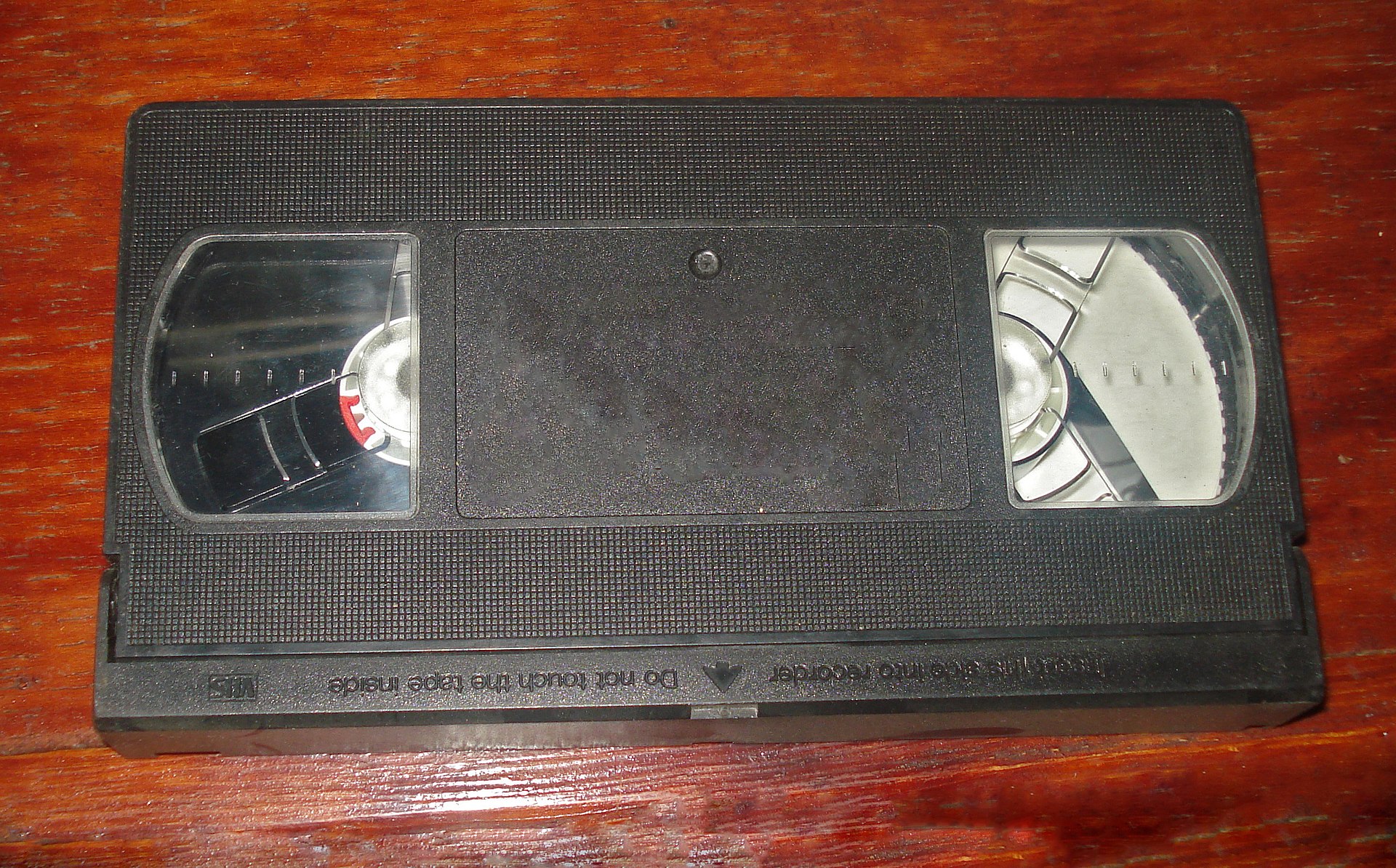
The VCR did something television had never allowed: it gave the schedule to the viewer. With a videocassette recorder you could tape a show and watch it later, fast-forward the adverts, build a library of films, and — at the video-rental store — bring the cinema home. From the mid-1970s it reshaped how the world watched, spawning Blockbuster, the “format war” between JVC’s VHS and Sony’s Betamax, and a Supreme Court case (Sony v. Universal, 1984) that legalized home recording as fair use.
It was overtaken in stages: the DVD offered sharper pictures and no rewinding, the DVR recorded to a hard drive, and streaming made physical media pointless. By 2016 only one company in the world, Funai Electric of Japan, still made VCRs — and in July it stopped, citing vanished demand and a shortage of parts. The machine that taught us to control time on television was finally out of time itself, leaving behind a generation’s worth of tapes slowly demagnetizing in attics.
Worth remembering
- Sony's technically superior Betamax lost to VHS partly because early Beta tapes couldn't hold a whole movie, while VHS managed two hours.
- The eternally blinking '12:00' — millions of households never learned to set the clock — became a running joke about technology outpacing its users.
The people
-
Shizuo Takano — Led VHS development at JVC, 1923–1992
Co-led the team whose VHS format won the home-video war against Sony's Betamax.
-
Nobutoshi Kihara — Sony engineer behind Betamax, 1926–2011
Sony's 'wizard' engineer, whose technically strong Betamax nonetheless lost the format war.
Gallery
Watch
Further reading
Sources
- Home VCRs from 1975–77 (Betamax/VHS); Funai, the last manufacturer, stopped production July 2016 CNN Money
- Sony v. Universal (1984) ruled home time-shift taping is fair use Wikipedia
- VCRs were introduced in the United States in 1977; as of 2014, almost 60 percent of Americans still had the machines in their homes, despite DVDs arriving in 1997 and major retailers discontinuing VCR sales by 2005 Smithsonian Magazine
- In 1956 Ampex demonstrated the VRX-1000 rotary-head videotape recorder, which became the broadcast standard for 25 years and whose helical-scanning descendants eventually produced the consumer Betamax and VHS format war Computer History Museum
A graveyard tradition: leave a stone to show you came, and remembered.