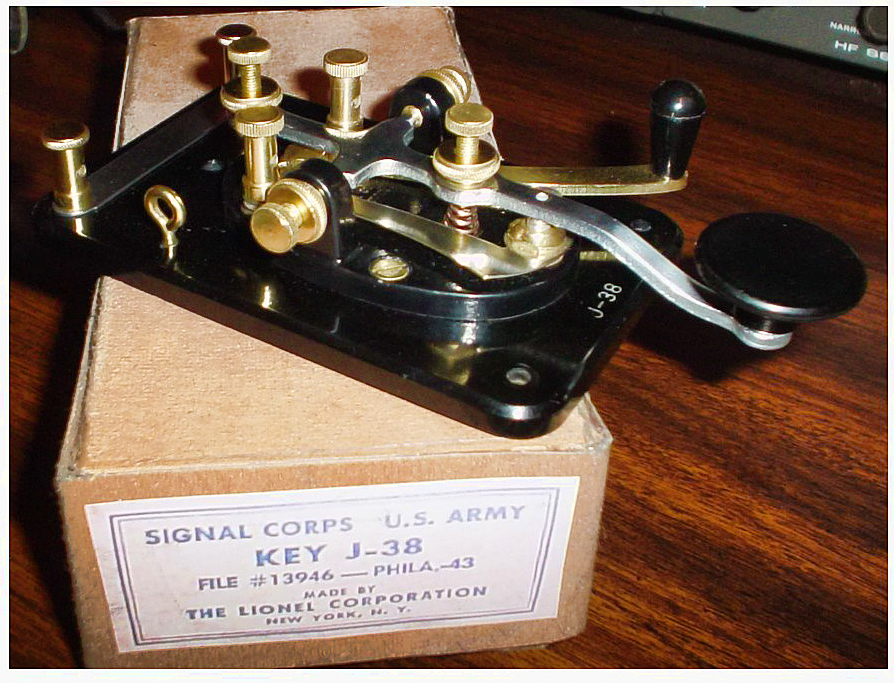
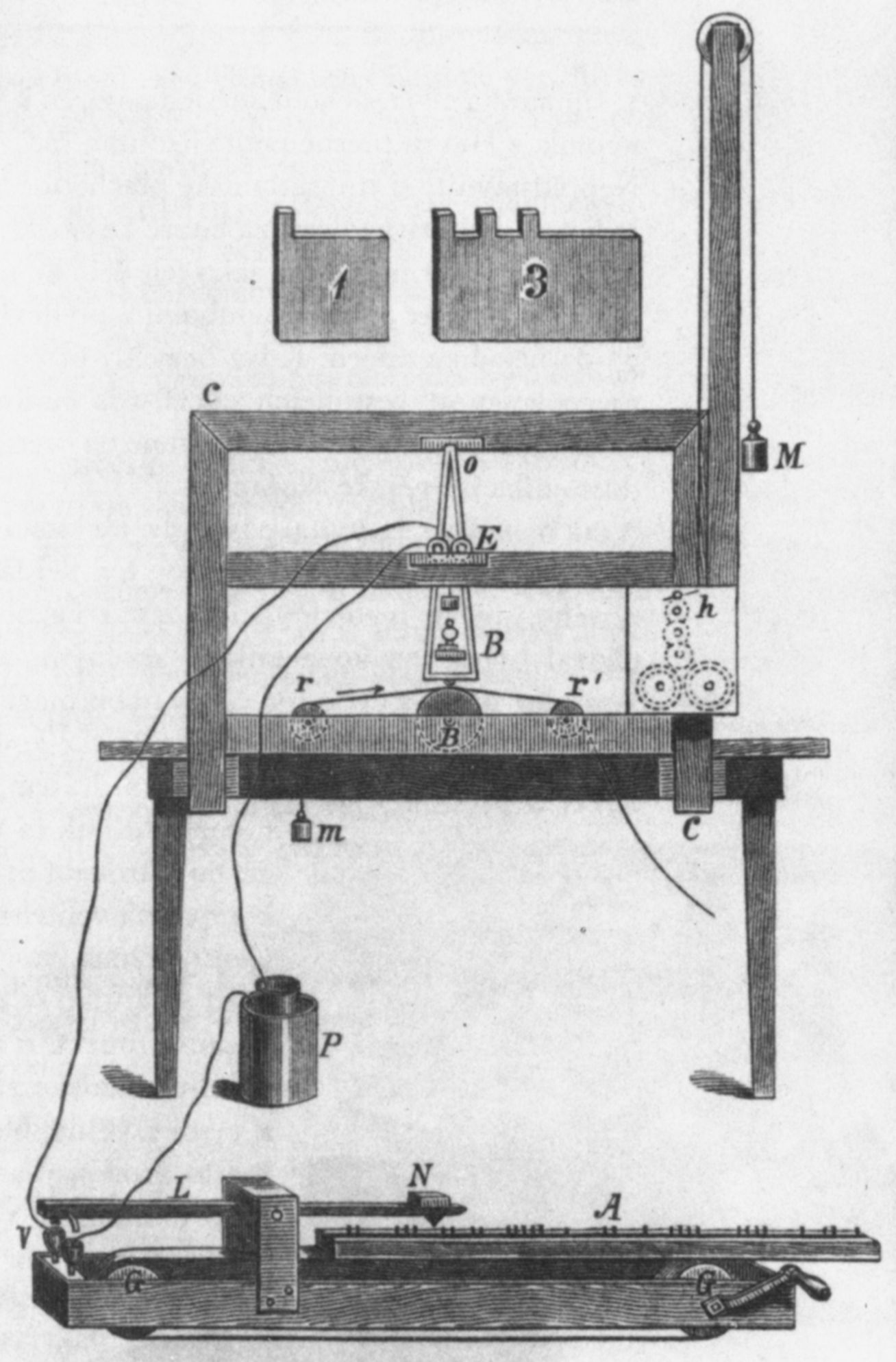
The electrical telegraph — commercialised by Samuel Morse with his 1844 Washington–Baltimore line and by Cooke and Wheatstone in Britain from 1837 — was the first technology to fully separate a message from the thing carrying it. Before it, news moved no faster than a horse or a ship; after it, a few taps on a key could cross a continent in seconds. From the 1840s a web of wires — and, from 1866, durable transatlantic cables — wrapped the planet, carrying war news, market prices, love, and grief in clicks of Morse code.
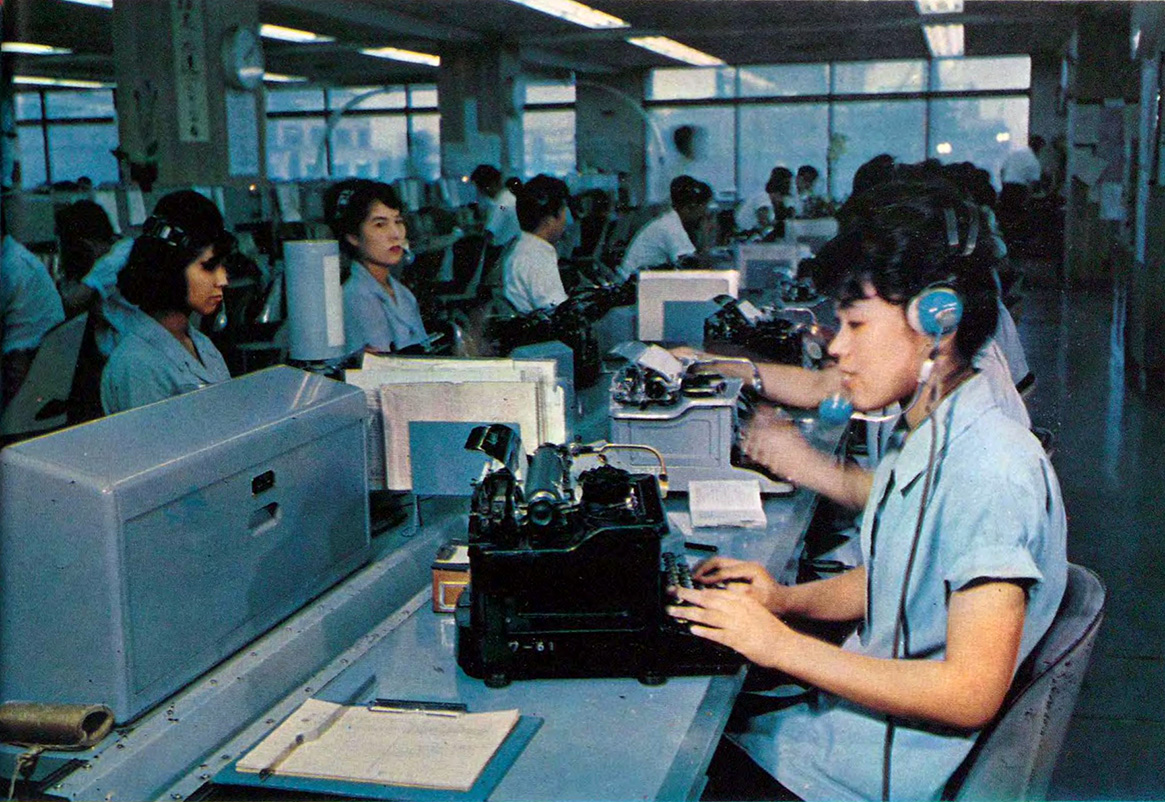
It peaked early: some 200 million telegrams crossed Western Union’s wires in 1929. Then the telephone took the urgent traffic, and email took the rest. By 2005 the company was sending only about 20,000 telegrams a year, most of them condolences and novelties. On 27 January 2006 Western Union quietly shut the service down — the technology that first made the world feel small, made obsolete by the even smaller world it had helped create.
Worth remembering
- Morse's first public message, sent from Washington to Baltimore in 1844, was 'WHAT HATH GOD WROUGHT.'
- Because operators charged by the word, senders invented terse 'telegraphese' — and used STOP in place of a full stop, since punctuation cost extra.
The people
-
Samuel F. B. Morse — Co-inventor of the American telegraph and Morse code, 1791–1872
A portrait painter turned inventor whose key-and-sounder system and code became the world standard.
-
Alfred Vail — Engineer-partner, 1807–1859
Built the practical apparatus and helped shape Morse code — and was largely written out of the credit.
-
Charles Wheatstone — Co-inventor of the British telegraph, 1802–1875
With William Cooke, patented and ran the first commercial electrical telegraph in Britain, 1837–39.
Gallery
Further reading
Sources
- Electrical telegraph commercialised 1837–1844; superseded by telephone and email Wikipedia
- Western Union sent its last telegram on 27 January 2006 Computerworld
- The first durable transatlantic telegraph cable was completed in 1866, wrapping the globe in a network of wires that carried war news, market prices, and personal messages in Morse code IEEE Spectrum
- The US telegraph industry grew from Morse's 1844 Washington–Baltimore line into a national network dominated by Western Union, which processed 200 million messages at its 1929 peak Britannica
A graveyard tradition: leave a stone to show you came, and remembered.