A self-propelled boiler on iron wheels that hauled, ploughed, and threshed across British and American farms — and lit travelling fairgrounds — before the diesel engine outpaced it.
Born
1859 CE
Died
1940 CE
Lived
81 years
Dead for
86 yrs
At its peak
Workhorse of British and American farms and roads in the late 1800s
Cause of death
Replaced
Replaced by
The internal-combustion (petrol and diesel) tractor
The Obituary
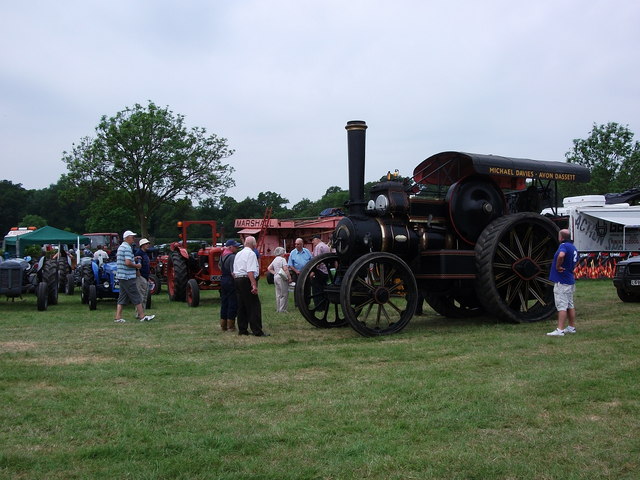
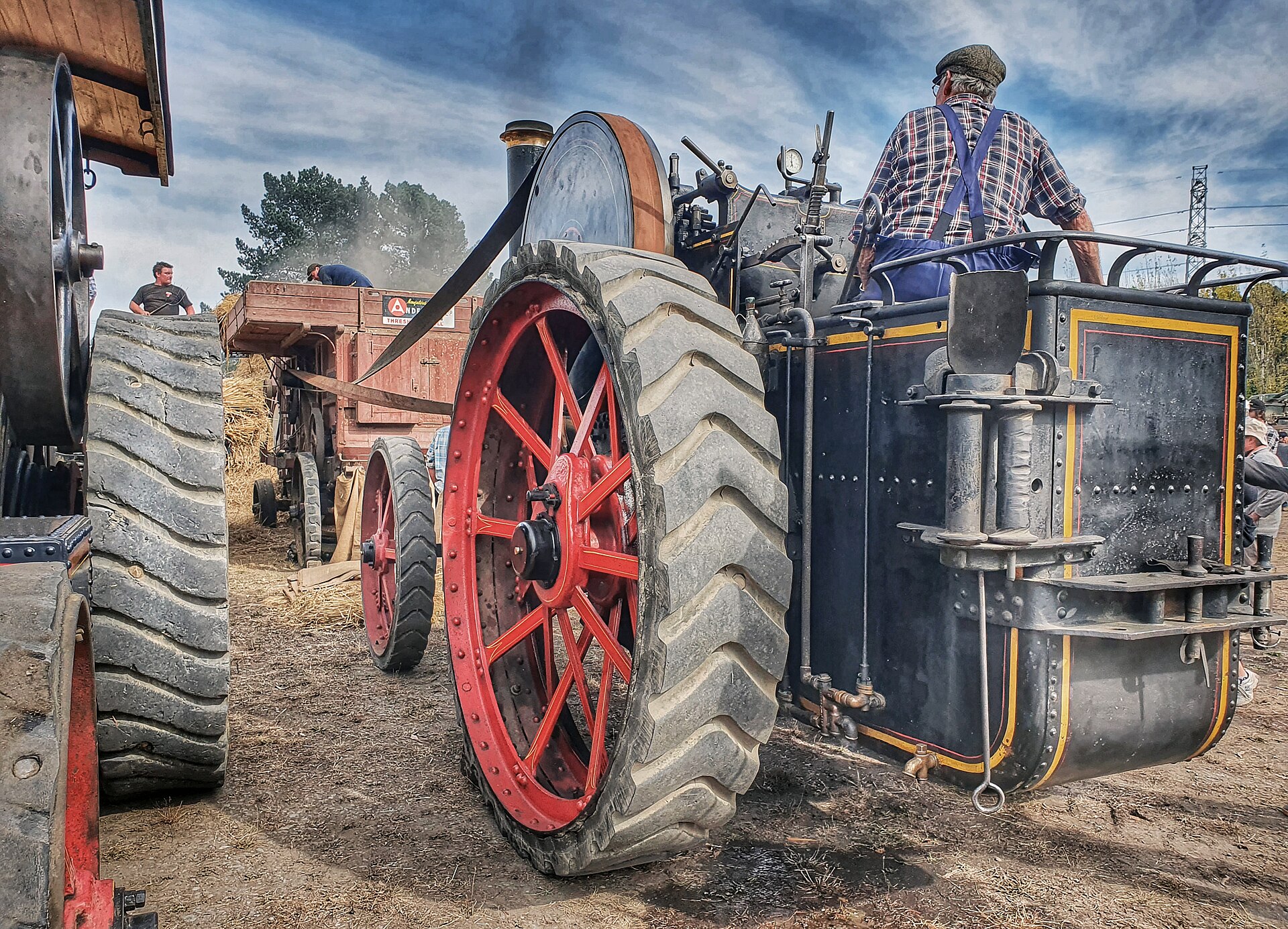
The steam traction engine was the first machine that drove itself across a farm or a road. Emerging in the late 1850s, it mounted a steam boiler on heavy iron wheels and used its own power to move, replacing teams of horses for hauling loads, ploughing fields, and driving threshing drums by belt. Specialized versions powered fairground rides and pulled ploughs in cable-hauled pairs. They were enormously powerful but slow, thirsty for coal and water, and needed a crew. The petrol and diesel tractor, lighter and ready at the turn of a crank, made the steam giants obsolete by the mid-20th century.
Worth remembering
Ploughing engines worked in pairs, dragging a plough back and forth on a cable across a field.
Showmen's engines, decorated and fitted with dynamos, lit and powered travelling fairgrounds.
Gallery
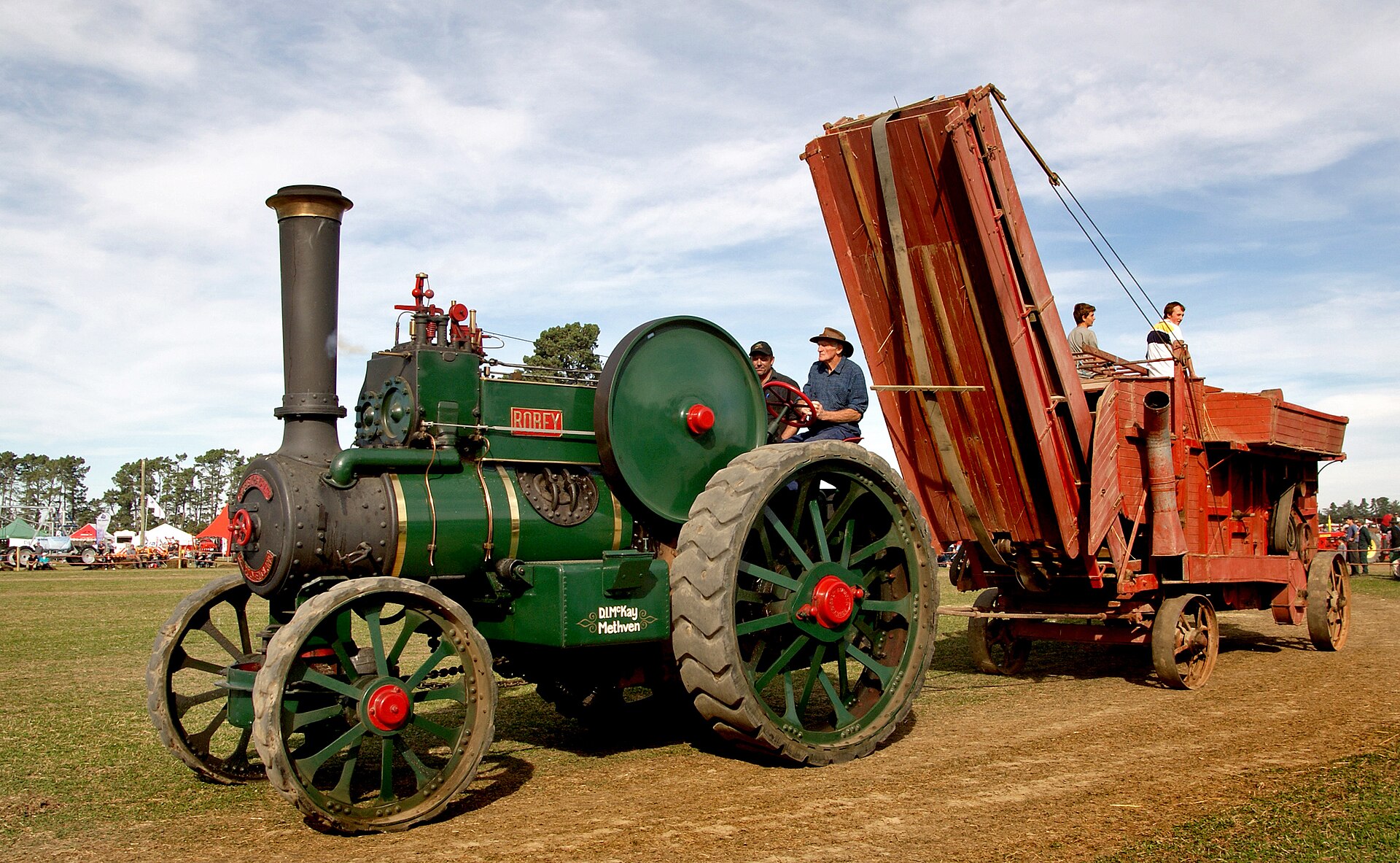
Period photograph of a steam traction engine at work in farmingPublic domainA preserved Robey steam traction engineCC0
Sources
Traction engines were self-propelled steam engines used for farming and haulage Wikipedia
Internal-combustion tractors displaced steam traction engines by the mid-20th century Britannica
Steam traction engines were used extensively in late 19th-century American farming for threshing and ploughing before gasoline-powered tractors displaced them Britannica
A graveyard tradition: leave a stone to show you came, and remembered.
Buried nearby — by shared fate or a neighbouring lifespan.