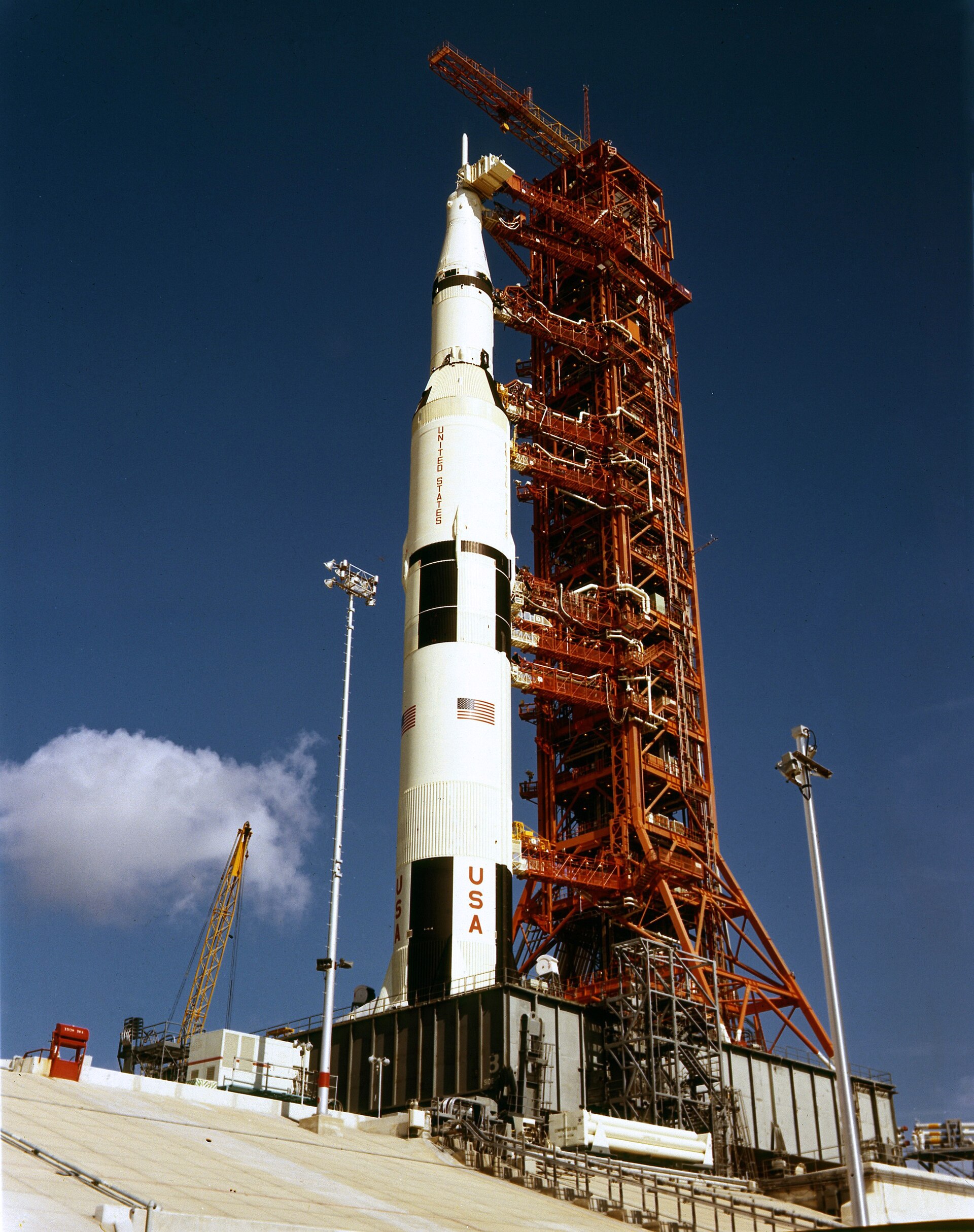
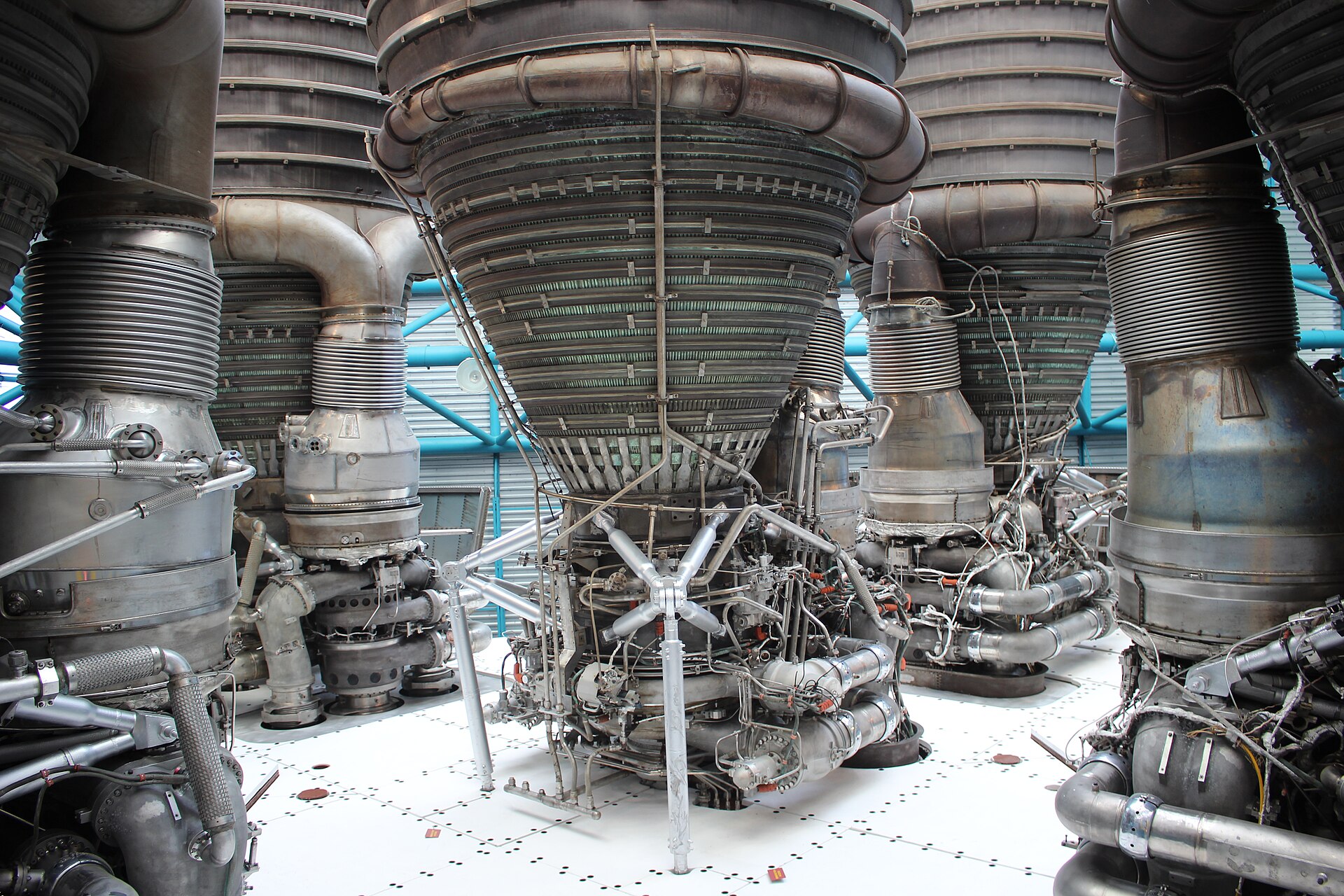
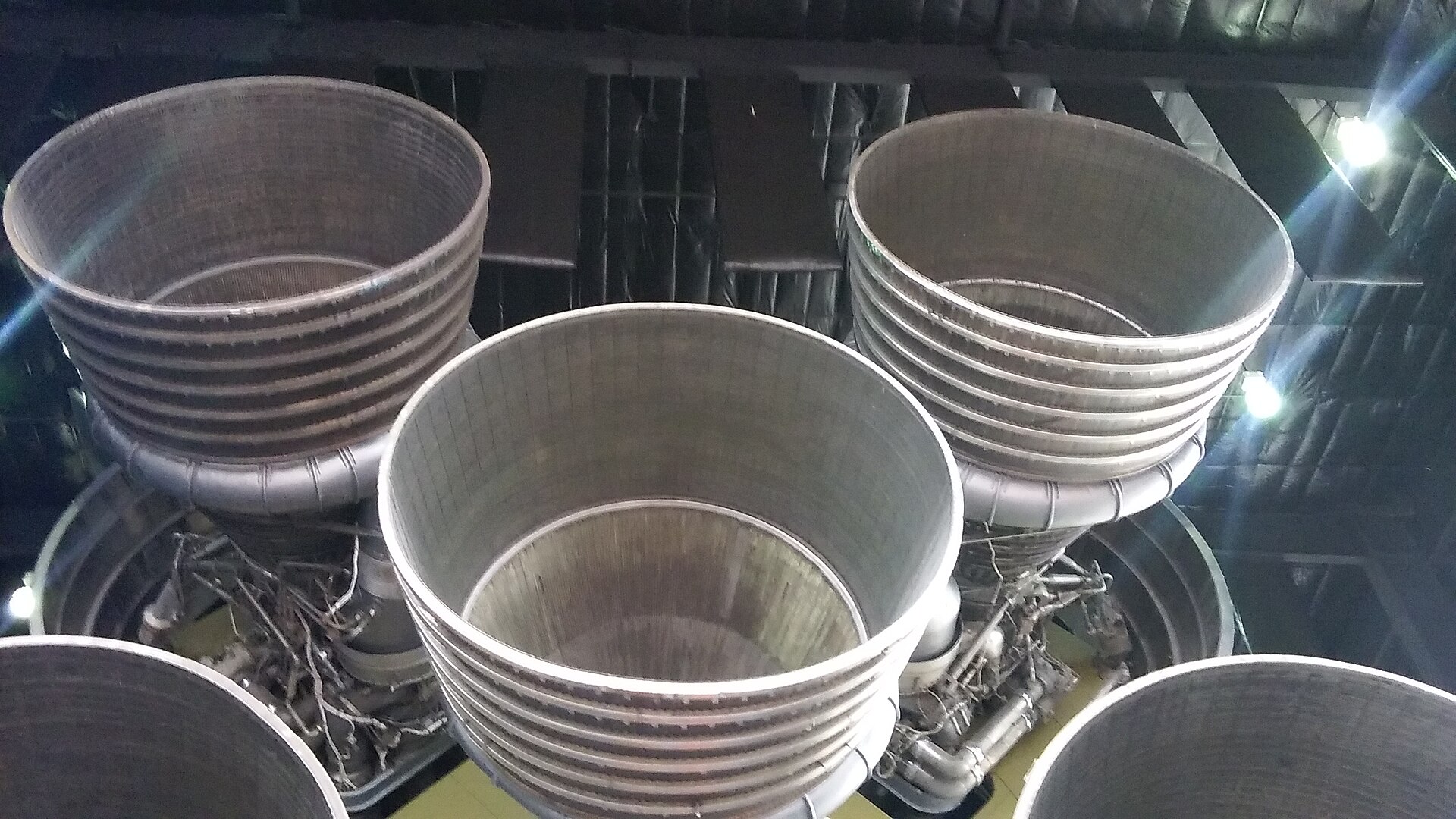
The Rocketdyne F-1 was the most powerful single-chamber liquid-fuelled rocket engine ever built. Five of them lifted the Saturn V off the pad, and each produced 1.5 million pounds of thrust — a number that remains unmatched in operational spaceflight. The engine ran for two and a half minutes per flight, worked flawlessly on all 13 missions, and then production stopped when the Apollo programme ended. The tooling was scrapped. The supply chains dissolved. The engineers and machinists retired or moved on.
In 2013, with NASA planning the Space Launch System, engineers retrieved several surplus F-1 engines from storage and examined them to see whether production could be revived or adapted. What they found was instructive: the original technical drawings were dimensionally inaccurate. The actual engines differed from the blueprints because workers had modified them by hand — adjusting fits, correcting tolerances, solving problems on the factory floor — and had never updated the documentation. The drawings described what the engine was supposed to be, not what it was.
The tacit knowledge that closed that gap — the specific hand-finishing sequences, the judgment calls that experienced machinists made by feel, the empirical combustion-stability tuning that had required years of explosive test failures to develop — existed only in the heads of people who were no longer available. The 2013 study produced a design concept for a new engine, the F-1B, that used 3D printing and roughly 40 parts where the original used 5,600. It was not a rebuild. It was an acknowledgement that the original could not be rebuilt. The Saturn V flew to the Moon 13 times and left behind not a single person who could make it again.
Worth remembering
- Each of the five F-1 engines on a Saturn V first stage produced 1.5 million pounds of thrust — more than the combined thrust of all five Space Shuttle main engines and its two solid rocket boosters. At launch, the stack generated 7.5 million pounds of thrust and was audible 160 km away.
- The engine's injector plate alone had 6,300 holes and required hand-fitting and testing by experienced machinists; combustion instability was solved not by calculation but by trial and error over years of explosive test failures — and the solution, once found empirically, was not fully explained theoretically until decades later.
Gallery
Watch
Sources
- The F-1 engine produced 1.5 million pounds of thrust; five powered each Saturn V first stage; production ended in 1970 with the last delivery; the manufacturing infrastructure and specialist workforce were not maintained after the Apollo programme ended Wikipedia
- In 2013 NASA reverse-engineered F-1 engines from the Apollo era; engineers found the original drawings were dimensionally inaccurate because workers had modified engines by hand; the study produced a new F-1B design concept using 3D printing and far fewer parts — not a restoration of the original production process Ars Technica
A graveyard tradition: leave a stone to show you came, and remembered.