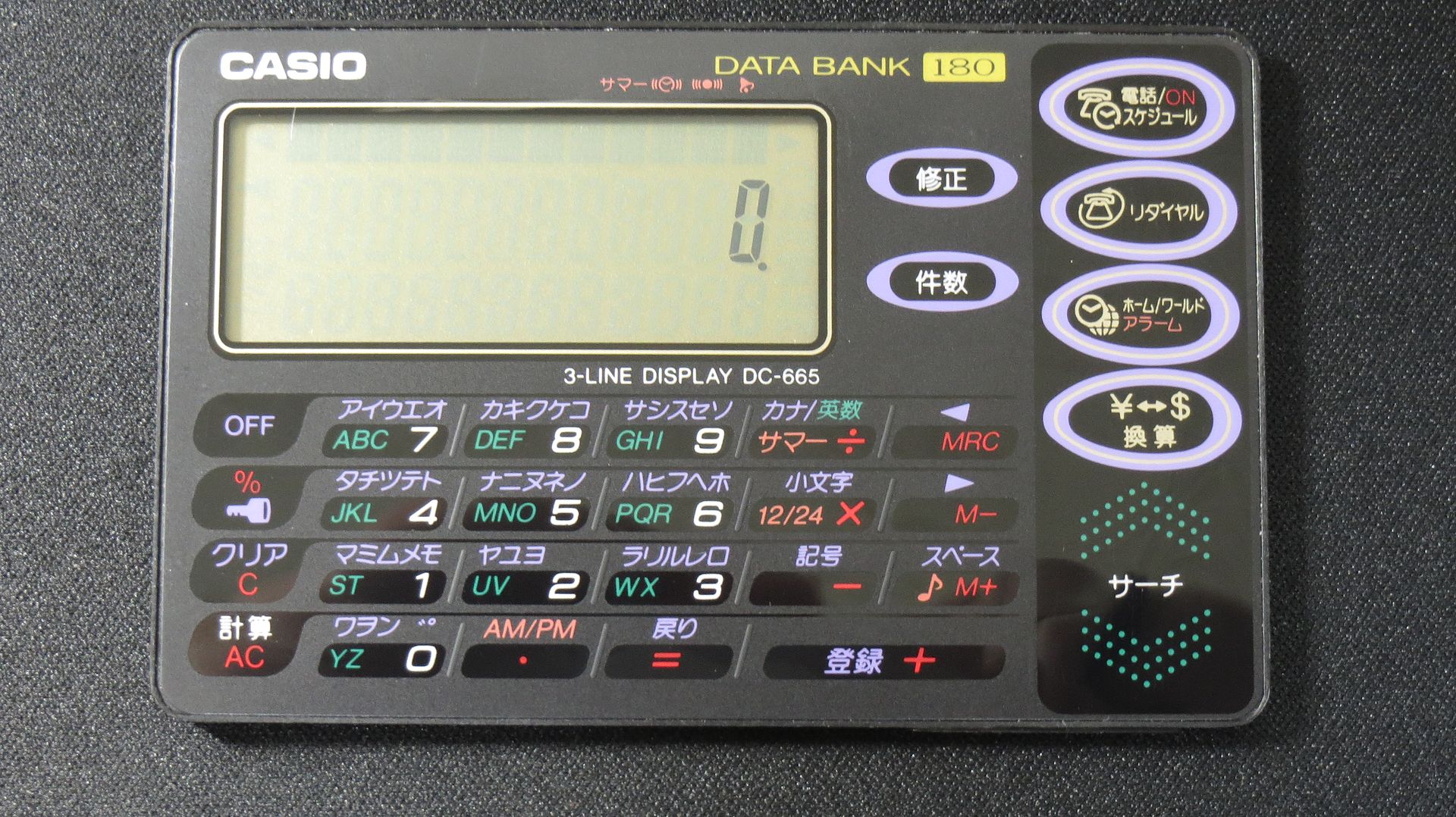
The calculator-keyboard databank from Casio, Sharp and Psion that held your numbers and appointments before the PDA and smartphone absorbed it.
Born
1984 CE
Died
2005 CE
Lived
21 years
Dead for
21 yrs
At its peak
A common pocket gadget through the late 1980s and 1990s
Cause of death
Replaced
Replaced by
PDAs and the smartphone
The Obituary
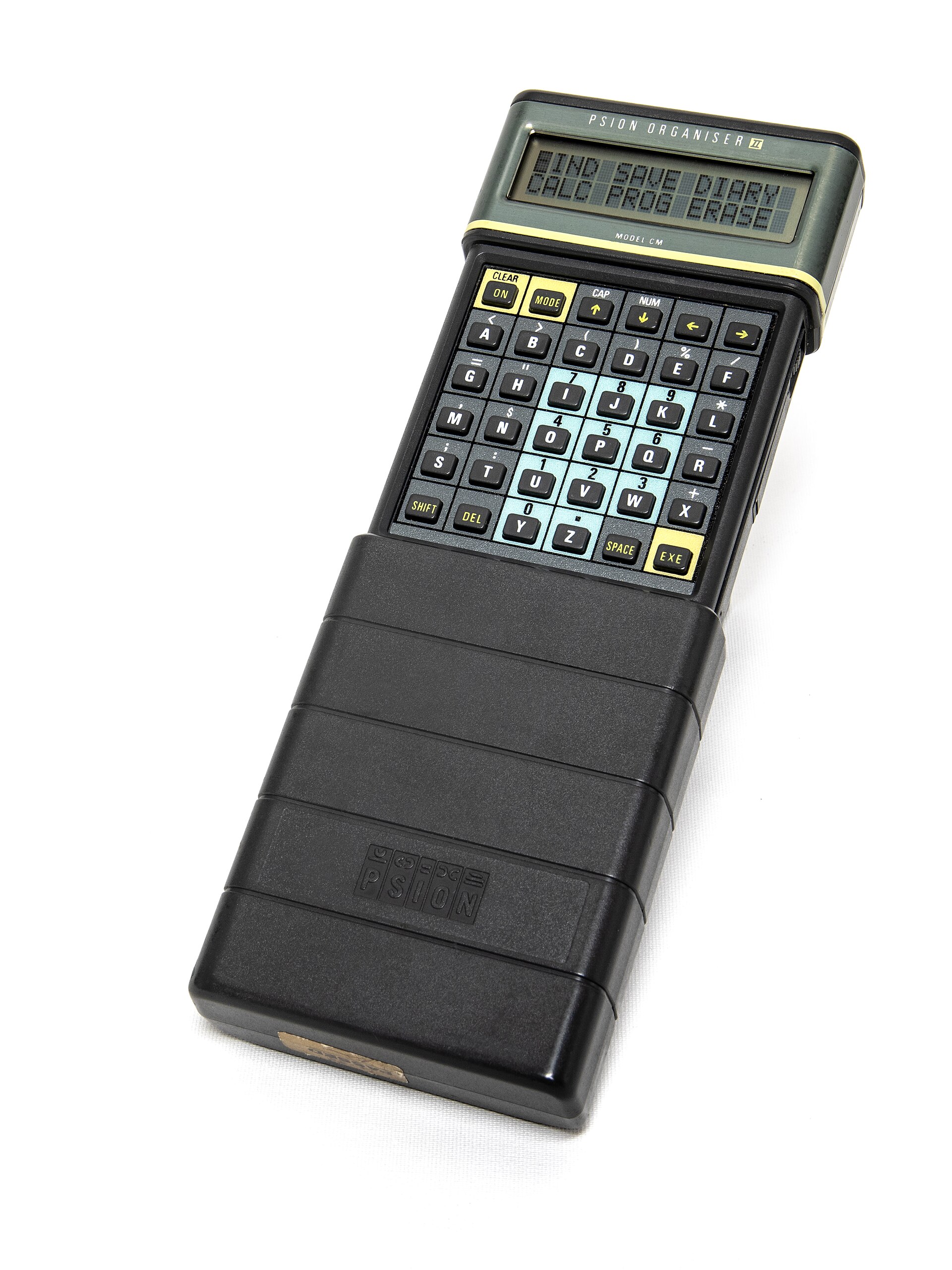
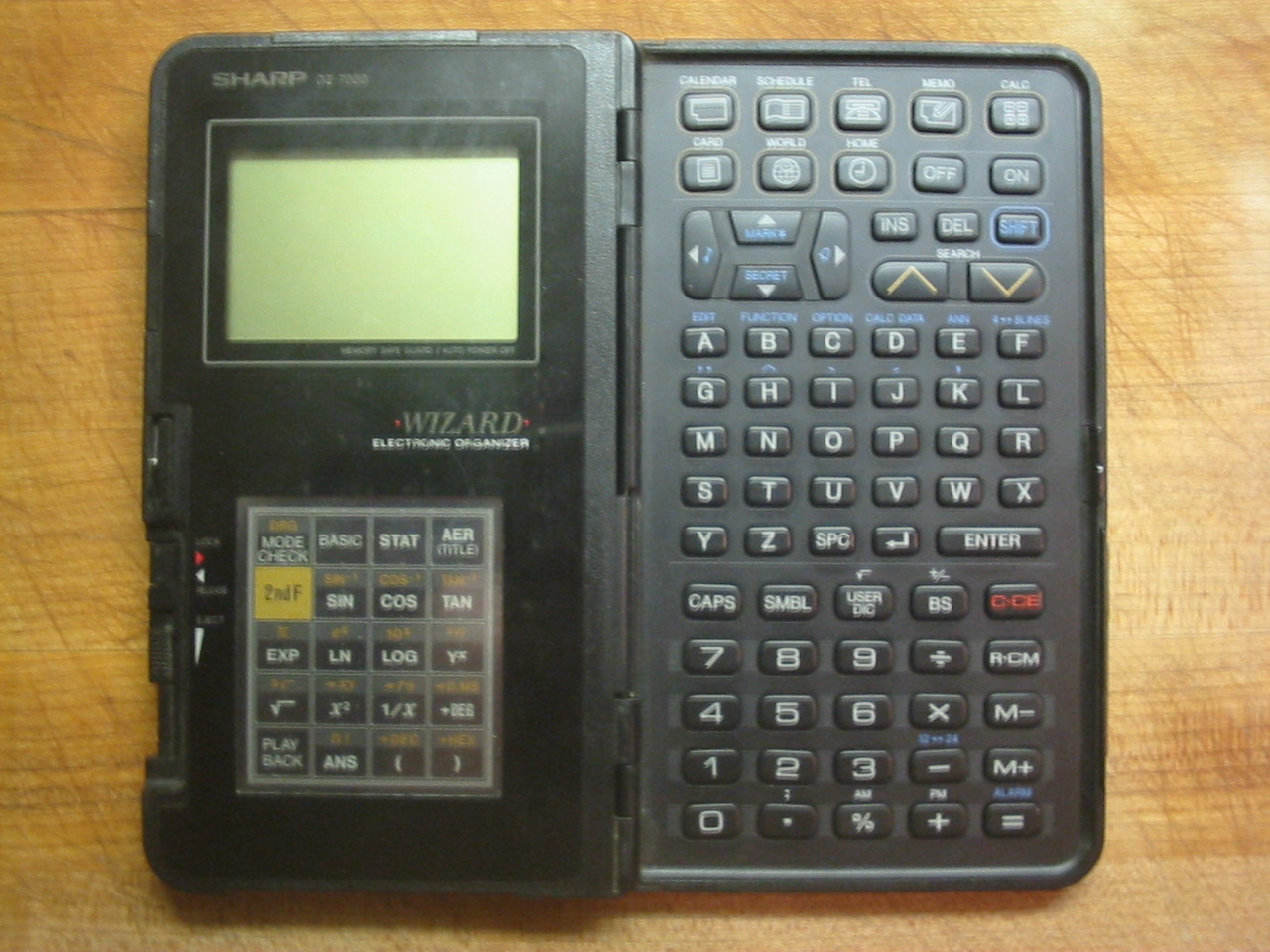
The pocket electronic organizer was the digital address book that preceded the PDA. From the mid-1980s, Casio, Sharp, and Psion sold models like the Casio Data Bank, the Sharp Wizard, and the Psion Organiser — credit-card to paperback-sized units with small keyboards and monochrome LCDs that stored contacts, appointments, and memos, often with a calculator and a password lock built in. They replaced the paper Filofax for people who wanted search and never-lost data. The Palm Pilot and other PDAs added touchscreens, syncing, and real software, and then the smartphone folded all of it into the phone, retiring the standalone organizer by the mid-2000s.
Worth remembering
A tiny QWERTY or alphabetical keyboard let you punch in phone numbers and notes.
Many doubled as calculators, and some held passwords behind a four-digit lock.
Gallery
Psion Organiser II handheld electronic organizer, an early predecessor of the 1990s PDAFelix Winkelnkemper · CC BY-SA 4.0Sharp Wizard OZ-7000 electronic organizer open, showing the keypad and expansion cardPublic domain
Sources
Pocket electronic organizers from Casio, Sharp and Psion offered contacts, calendars and memos from the mid-1980s Wikipedia
Electronic organizers were superseded by PDAs and smartphones Wikipedia
Mid-1980s pocket organizers from Sharp paired a tiny keyboard with an LCD to store contacts and notes, anticipating the PDA. Gizmodo
The Palm Pilot established the PDA category with its Graffiti handwriting recognition before smartphones absorbed the function. Encyclopaedia Britannica
A graveyard tradition: leave a stone to show you came, and remembered.
Buried nearby — by shared fate or a neighbouring lifespan.