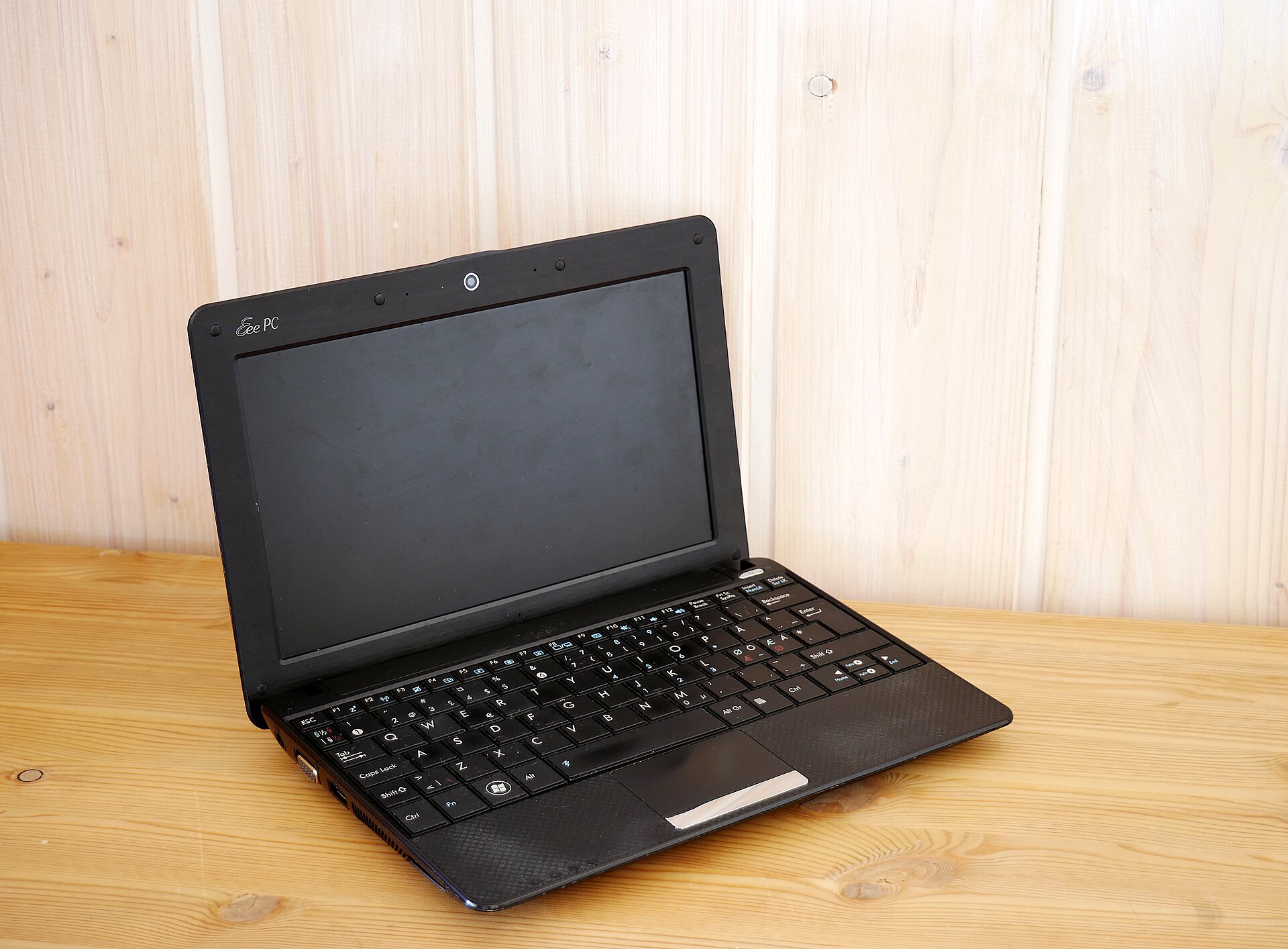
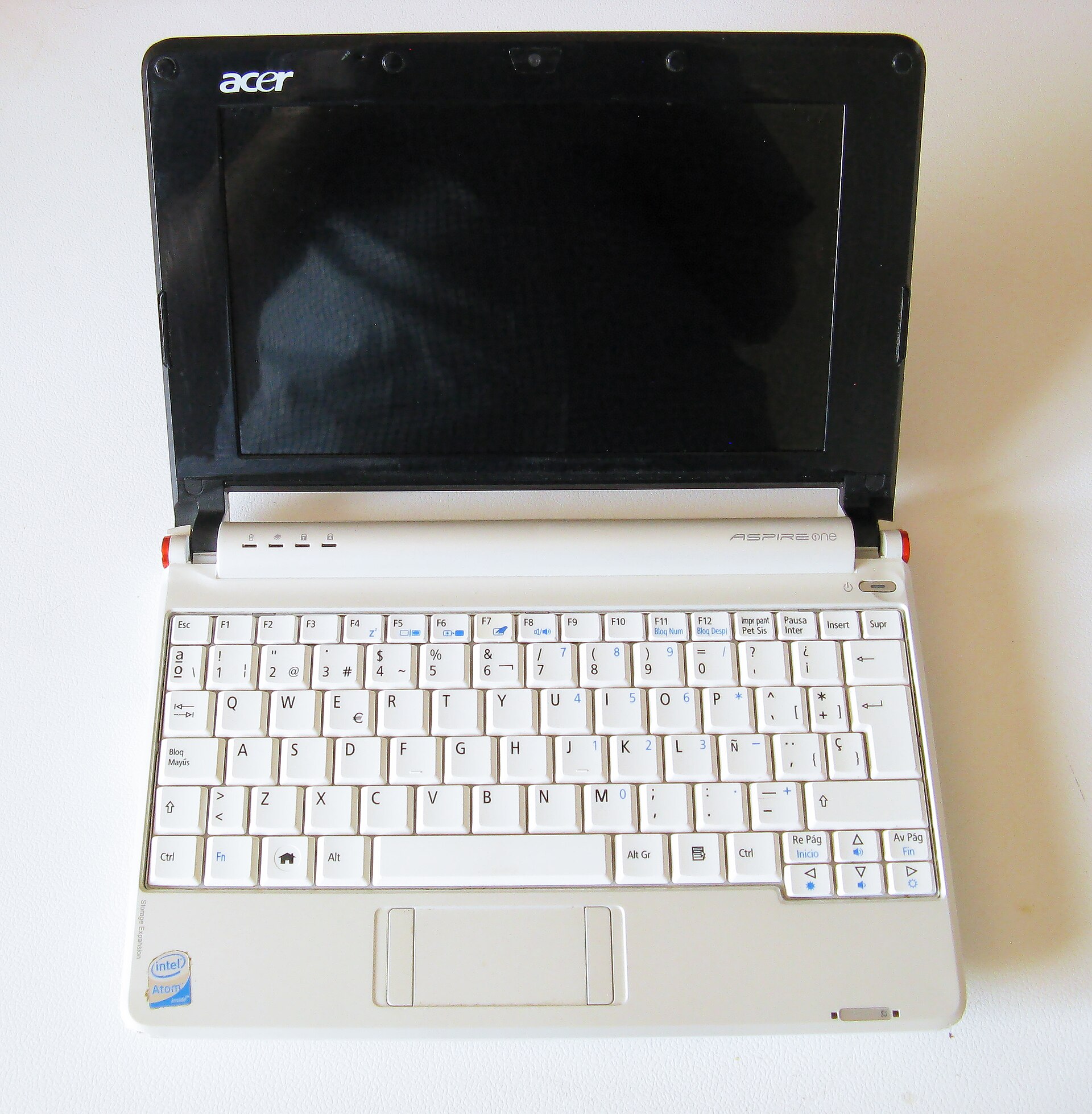
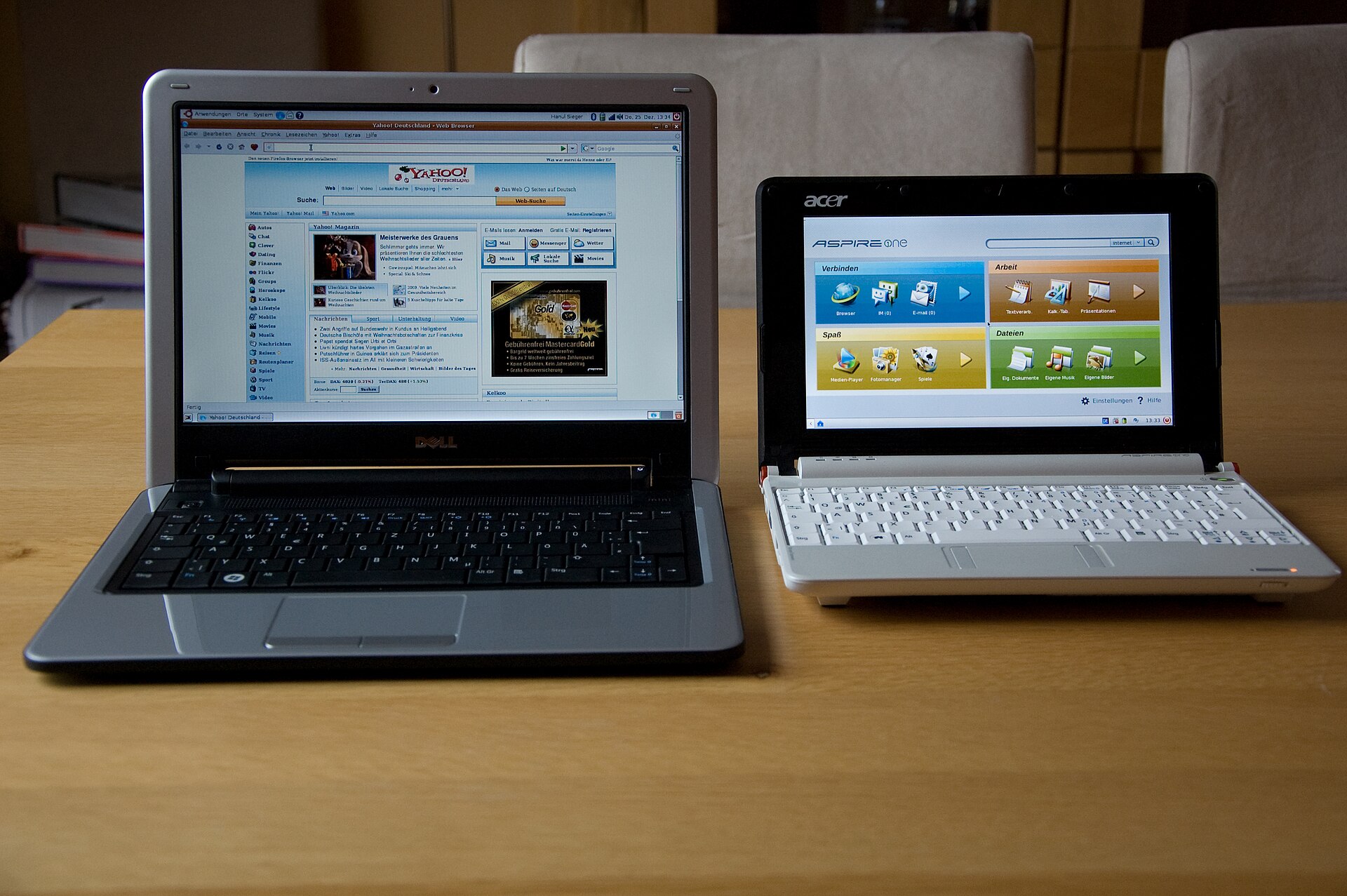
Netbooks were small, cheap laptops built around Intel’s Atom processor and aimed at basic internet access. The Asus Eee PC 701, released in late 2007, set the template: a 7-inch screen, solid-state storage, under a kilogram. Within fourteen months the category held roughly a fifth of the global laptop market, dozens of manufacturers piled in, and annual sales approached 40 million units by 2010. The pitch was simple — functional computing at a price that undercut everything else on the shelf.
The iPad arrived in April 2010 and the market shifted fast. Tablets delivered the light, cheap browsing experience netbooks promised, without cramped keyboards and sluggish Windows performance. Netbook sales dropped through 2011 and fell about 25% in 2012. Dell exited in December 2011, Toshiba in May 2012, and by 2013 the word had vanished from catalogues. Ultrabooks took the performance segment, tablets took casual use, and Chromebooks eventually claimed the sub-$400 education market.
Worth remembering
- By December 2008, fourteen months after launch, netbooks held roughly 20% of the entire portable-computer market — a category that barely existed the year before.
- Microsoft and Intel pressured makers to cap netbook specs — screens at 10.1 inches or below — to hold down Windows licensing costs, boxing the category in as expectations grew.
Gallery
Sources
- Netbooks peaked at roughly a fifth of the portable-computer market by December 2008; by 2012 sales fell about 25% year-on-year. Wikipedia
- The Asus Eee PC 701 shipped in October 2007 with a 7-inch screen and solid-state storage at a low target price. Hackaday
- From 2010 netbook sales fell steeply; Dell stopped selling them and HP repositioned its remaining model toward education. PCWorld
A graveyard tradition: leave a stone to show you came, and remembered.