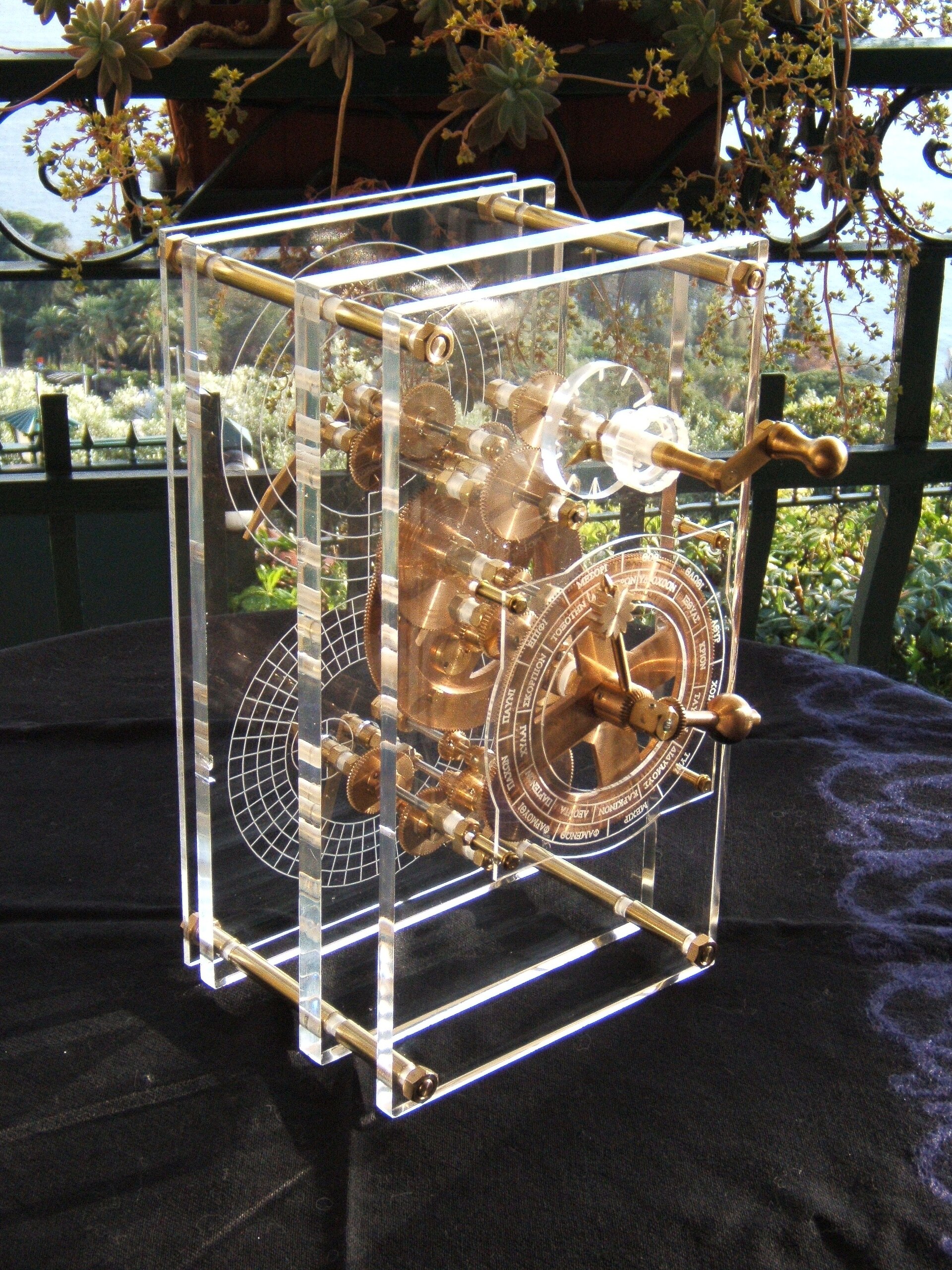
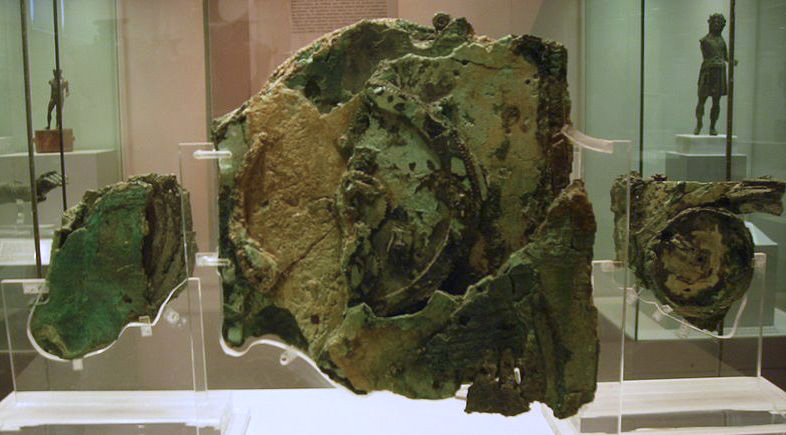
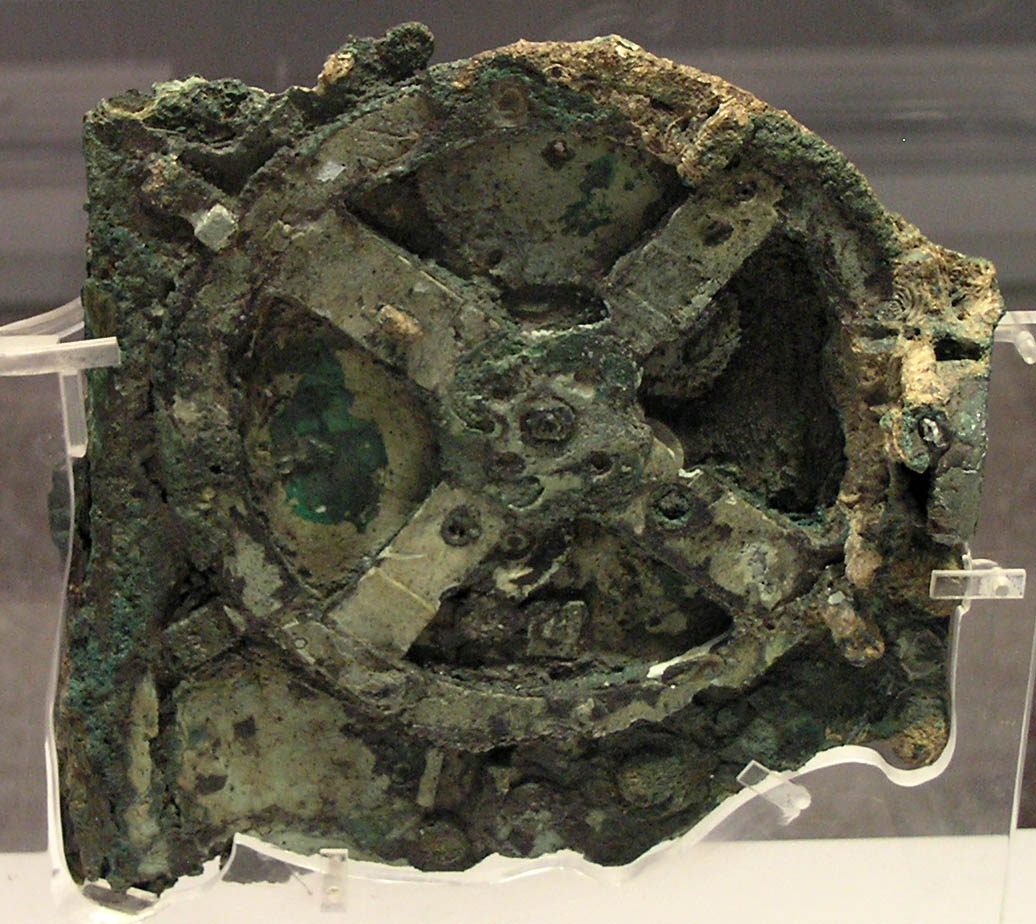
The Antikythera mechanism was pulled from a Roman-era shipwreck off the island of Antikythera in 1901, a corroded lump of bronze that sat in the National Archaeological Museum in Athens for decades before anyone understood what it was. X-ray analysis beginning in the 1970s, and high-resolution CT scanning in the 2000s, revealed a machine of staggering sophistication: at least 30 interlocking bronze gears, inscribed with astronomical instructions, capable of predicting eclipses, tracking the phases of the Moon, displaying the positions of the five known planets, and marking the dates of the Panhellenic Games. A crank on the side advanced or reversed time. It was, in effect, a hand-held model of the sky.
The 1,400-year silence that followed is the measure of what was lost. The Romans, who absorbed Greek science and translated Greek literature, produced nothing like it. The Byzantine Empire, which preserved so much of Hellenistic learning, produced nothing like it. The Arab scholars who carried Greek astronomy through the 8th–12th centuries produced nothing like it. Differential gearing of comparable precision did not reappear in Europe until the 14th century, and did not reappear in something resembling the Antikythera mechanism’s function until the astronomical clocks of the 16th century. The craft that made it — the ability to cut bronze gear trains to this tolerance, with this complexity, at this scale — died with the workshop tradition of the Hellenistic world.
Modern reconstructions (including the 2021 UCL team’s full working model) are extraordinary achievements of archaeological reverse-engineering, conducted with 3D printing and modern machining tools, working backward from fragments and tomography. They are not continuations of the ancient craft. Nobody alive today knows how Hellenistic craftsmen actually cut those gears.
Worth remembering
- It contained at least 30 interlocking bronze gears achieving sub-degree positional accuracy, could display the Metonic cycle (235 months = 19 years), and predicted the Saros eclipse cycle — computations that required the same mechanical insight as differential gearing, which Europe would not independently develop until the 14th century CE.
- The device tracked multiple simultaneously moving celestial bodies and could be cranked forward or backward to display past and future positions — a hand-held model of the cosmos that a navigator or astronomer could consult without mathematics.
Gallery
Watch
Sources
- The Antikythera mechanism is an ancient hand-powered orrery described as the oldest known example of an analogue computer; it modelled astronomical phenomena and could predict solar and lunar eclipses; nothing of comparable complexity appeared for over 1,000 years Wikipedia
- The Antikythera mechanism, dating to c. 87 BCE, contained at least 30 meshing bronze gears; modern reconstructions are reverse-engineered from fragments and X-ray imaging, not from surviving craft knowledge Encyclopaedia Britannica
A graveyard tradition: leave a stone to show you came, and remembered.