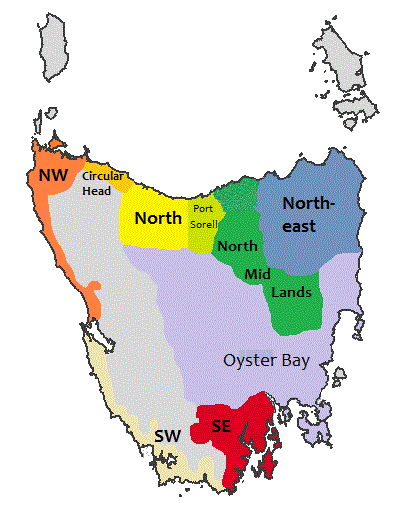
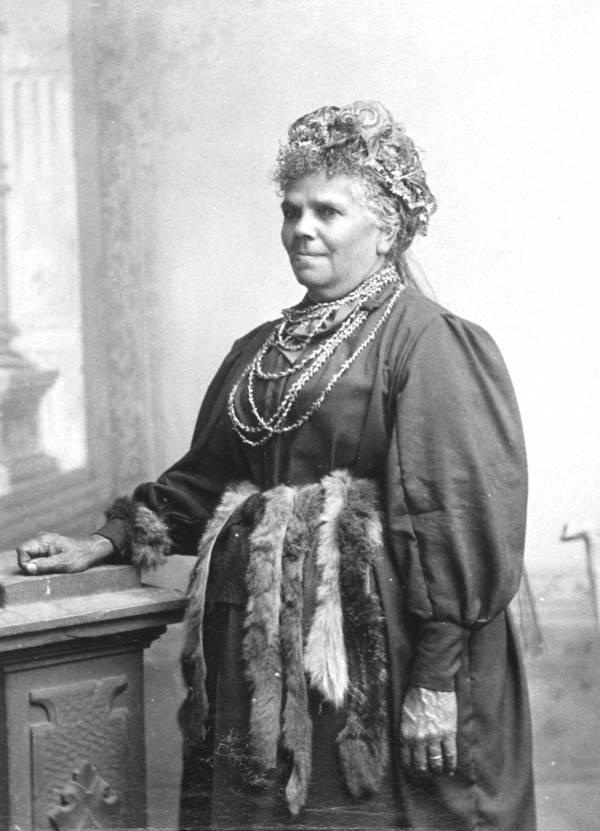
The Tasmanian languages were spoken by the Aboriginal peoples of Tasmania, isolated from the Australian mainland for thousands of years. British colonisation from 1803 brought violence, dispossession, and disease that destroyed the population with terrible speed. The languages were poorly recorded before they fell silent, leaving scholars unsure whether there were one or many; more recent scholarship suggests there may have been 8 to 12 distinct languages. Fanny Cochrane Smith, who died in 1905, is generally regarded as the last fluent speaker; her wax-cylinder recordings from 1899 and 1903 are the only surviving sound of any of these tongues. A revival effort since the 1990s has produced Palawa Kani, a reconstructed unified dialect.
Worth remembering
- Wax-cylinder recordings made by Fanny Cochrane Smith in 1899 and 1903 are the only audio of any Tasmanian language.
- So little was recorded that scholars still cannot agree whether there were one, several, or many distinct languages.
Gallery
Sources
- The Tasmanian languages were the indigenous languages of Tasmania, extinguished within decades of British colonisation. Wikipedia
- Fanny Cochrane Smith made wax-cylinder recordings of Tasmanian songs in 1899 and 1903; she is often called the last fluent speaker. Wikipedia
- No relationship between the Tasmanian languages and any other languages of the world has been demonstrated; more recent scholarship suggests there may have been 8 to 12 distinct languages; a revival effort since the 1990s has produced Palawa Kani, a reconstructed unified dialect. Encyclopaedia Britannica
- Fanny Cochrane Smith's wax-cylinder recordings of Tasmanian Aboriginal songs (made 1899 and 1903) are the only spoken records of any Tasmanian Aboriginal language; the cylinders are held by the Tasmanian Museum and Art Gallery and were inscribed on the Australian Memory of the World Register in 2017. Australian Memory of the World Register
A graveyard tradition: leave a stone to show you came, and remembered.