The first American language Europeans heard — the Arawakan tongue Columbus met in 1492 — it gave English 'hurricane' and 'canoe' before its speakers were swept away.
Died
1600 CE
Dead for
426 yrs
Cause of death
Conquest
Replaced by
Spanish
The Obituary
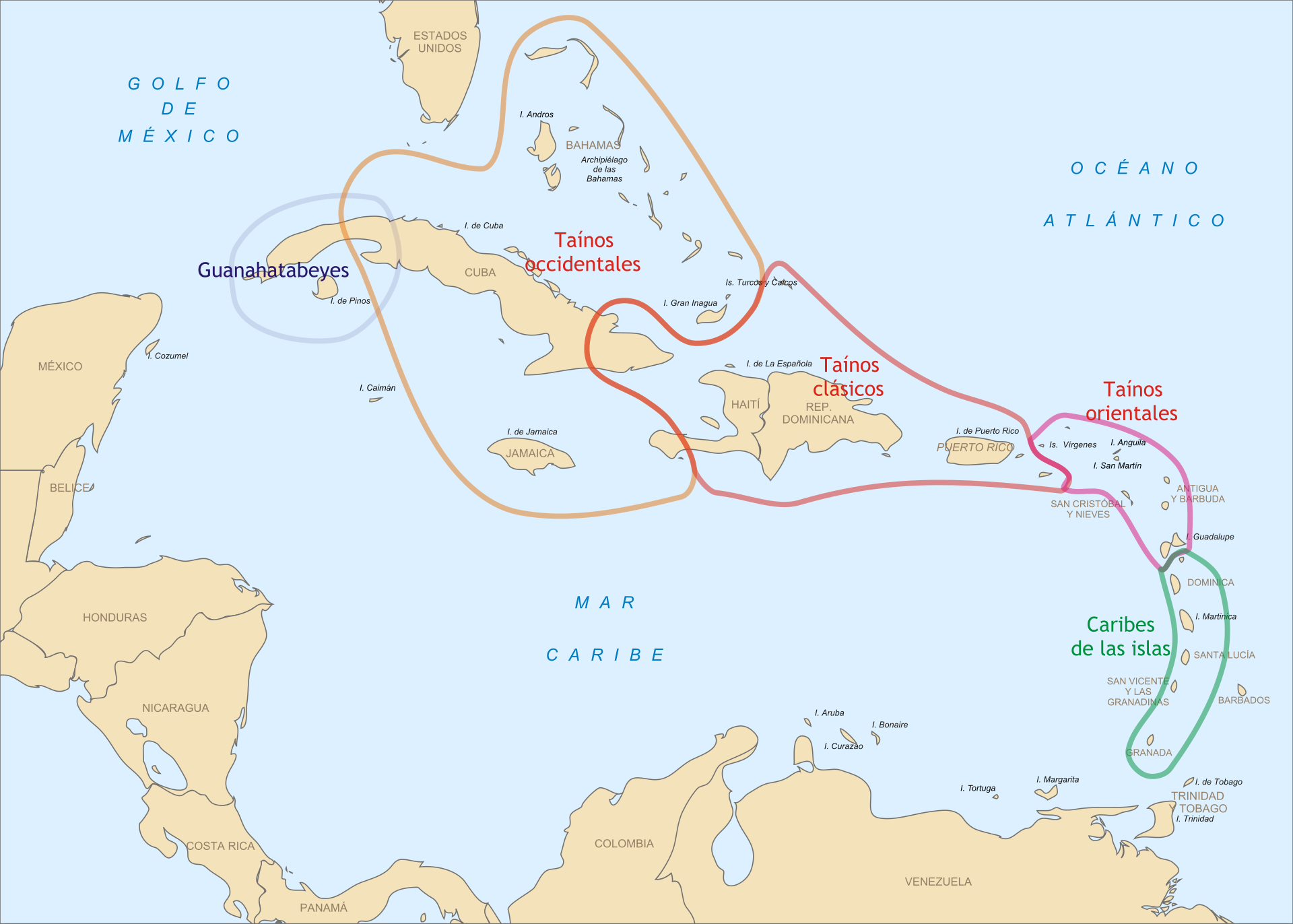
Taíno was an Arawakan language spoken across the Greater Antilles and Bahamas, the first indigenous American language Europeans encountered when Columbus arrived in 1492. The Taíno population collapsed within decades under Spanish conquest, enslavement, and introduced disease, and the language ceased to be spoken as a living tongue by the 16th or 17th century. Its words survive scattered through Spanish and English — hurricane from hurakán, canoe from canoa, hammock from hamaka, barbecue from barbacoa, tobacco from tabako — and in place names across the Caribbean, a faint echo of a vanished people.
Worth remembering
Words like hurricane, canoe, hammock, barbecue, and tobacco came into European languages through Taíno.
It was the language Columbus's expedition first met in 1492 in the Bahamas and Greater Antilles.
Gallery
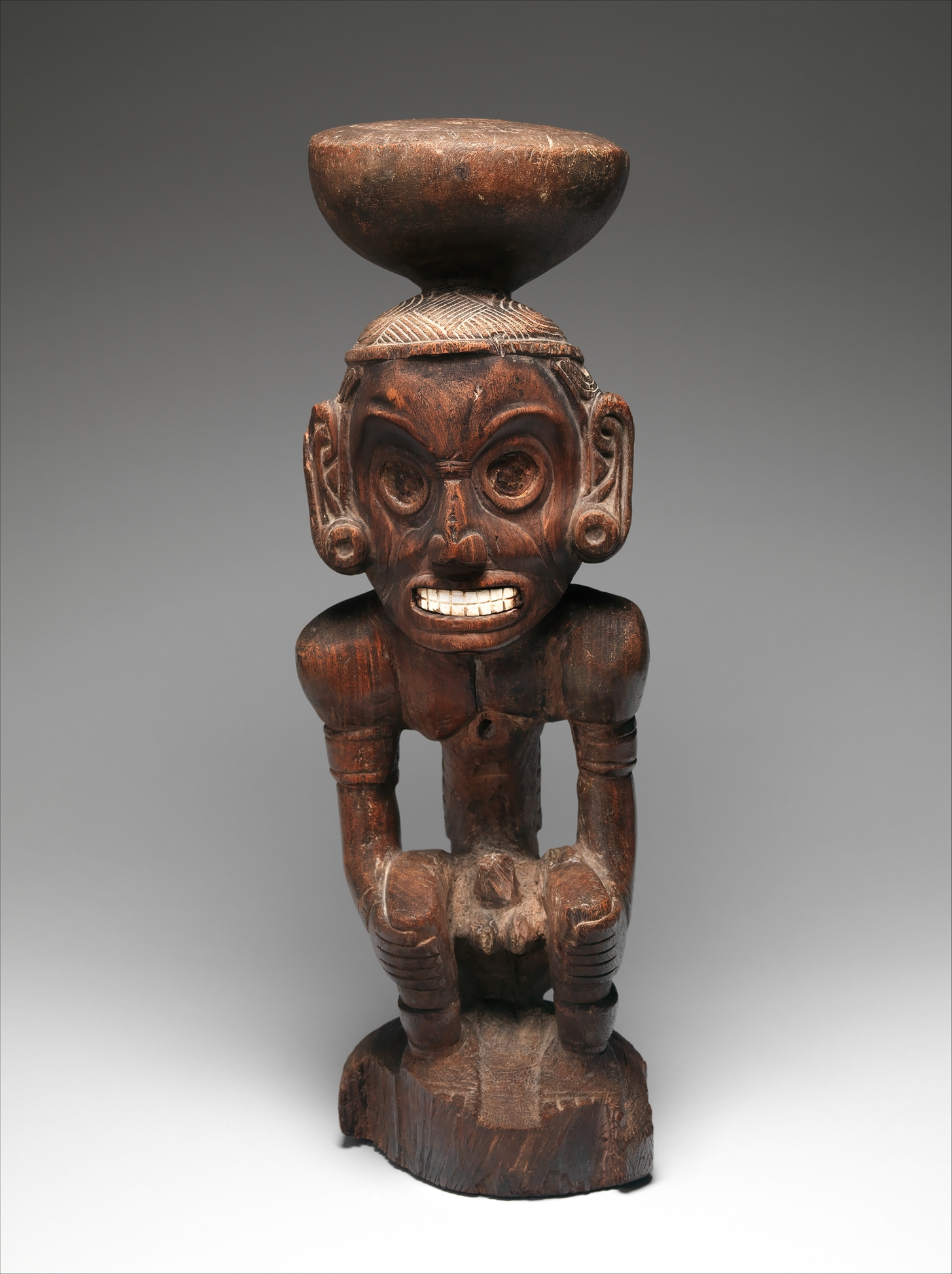
Taíno wooden zemí deity figure, circa 1000 CE, Metropolitan Museum of ArtCC0
Sources
Taíno was an Arawakan language of the Caribbean, the first New World language encountered by Columbus, extinct after Spanish conquest. Wikipedia
English borrowings from Taíno include 'hurricane', 'canoe', 'hammock', 'barbecue', and 'tobacco'. Encyclopaedia Britannica
Twelve English words derive from Taíno via Spanish, including barbecue (barbacoa), canoe (canoa), hammock (hamaka), hurricane (hurakán), tobacco (tabako), and maize (mahiz); within half a century of Spanish contact, disease wiped out most of the Taíno population. Mental Floss
A graveyard tradition: leave a stone to show you came, and remembered.
Buried nearby — by shared fate or a neighbouring lifespan.