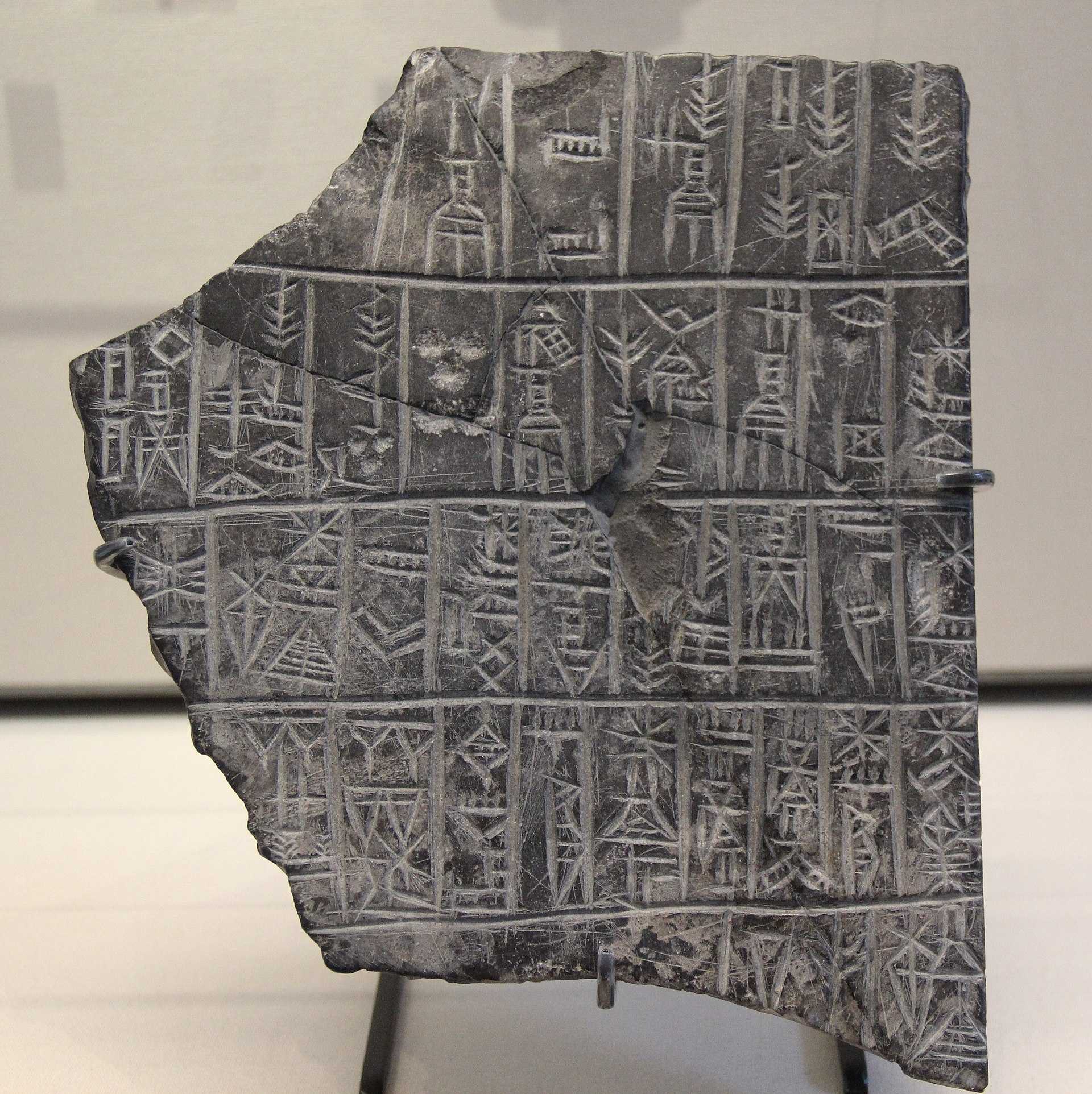
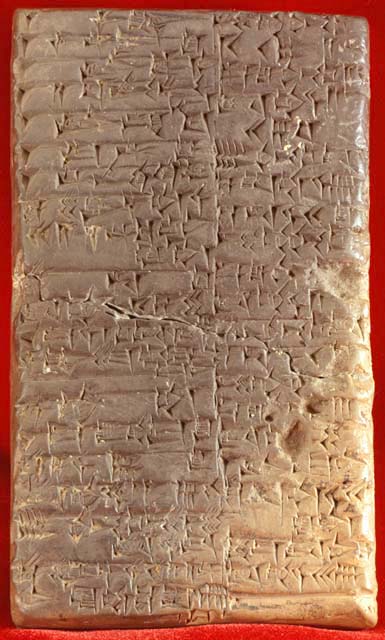
The first language ever written down, in cuneiform on clay, it outlived its own speakers by two thousand years — a dead tongue of priests and scribes long after Akkadian replaced it.
Died
1750 BCE
Dead for
3,776 yrs
Cause of death
Assimilation
Replaced by
Akkadian
The Obituary
Sumerian was spoken in southern Mesopotamia and gave the world its first written records around 3200 BCE, pressed into clay in cuneiform script. A language isolate with no known relatives, it dominated the region through the third millennium BCE. As Akkadian-speaking peoples rose to power, Sumerian slowly faded from daily speech, dying out as a vernacular around 2000 to 1700 BCE. Yet it refused to vanish entirely: scribes preserved it as a sacred and scholarly language for another two thousand years, the last known cuneiform tablet dating to around 75 CE.
Worth remembering
Sumerian cuneiform, scratched into clay tablets, is the earliest known writing system on Earth.
Long after no one spoke it, Babylonian and Assyrian scribes still learned it the way Europeans later learned Latin.
Gallery
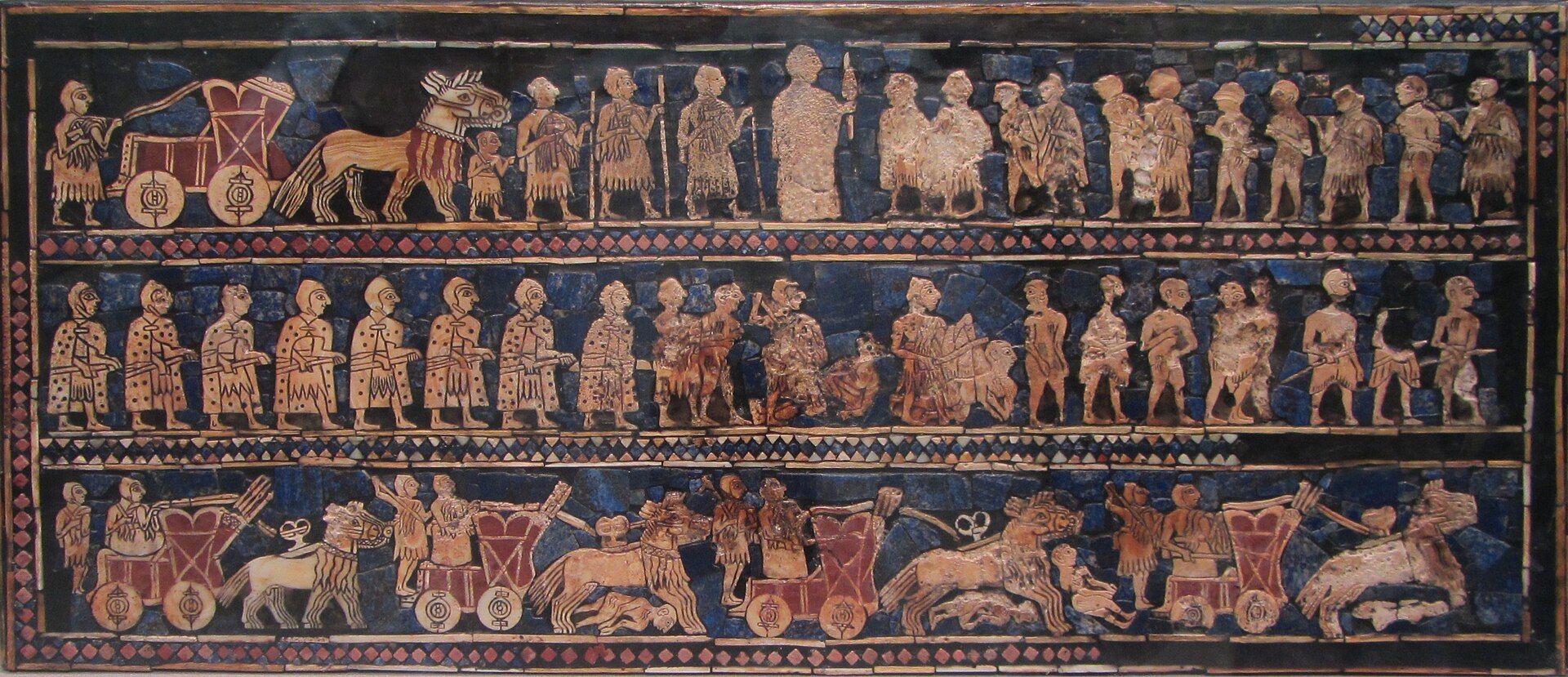
A Sumerian cuneiform clay tablet, Third Dynasty of UrPublic domainThe War panel of the Standard of Ur, a Sumerian mosaic, c. 2600 BCE, British MuseumLeastCommonAncestor · CC BY-SA 3.0
Sources
Sumerian is a language isolate, the oldest attested written language, gradually replaced by Akkadian as a spoken language by around 2000 BCE. Wikipedia
Sumerian was written in cuneiform and survived as a classical and liturgical language long after it died out in everyday speech. Encyclopaedia Britannica
Sumerian is a language isolate whose first written records date to c. 3200 BCE (Uruk IV period); it ceased as a spoken language around 2000 BCE but survived as a literary and liturgical language until at least 75 CE, the date of the last known cuneiform tablet. World History Encyclopedia
Sumerian cuneiform is the earliest known writing system; Sumerian is not related to any other known language (language isolate); it was replaced by Akkadian as a spoken language but continued in writing for religious, artistic, and scholarly purposes until about the 1st century AD. Omniglot
A graveyard tradition: leave a stone to show you came, and remembered.
Buried nearby — by shared fate or a neighbouring lifespan.