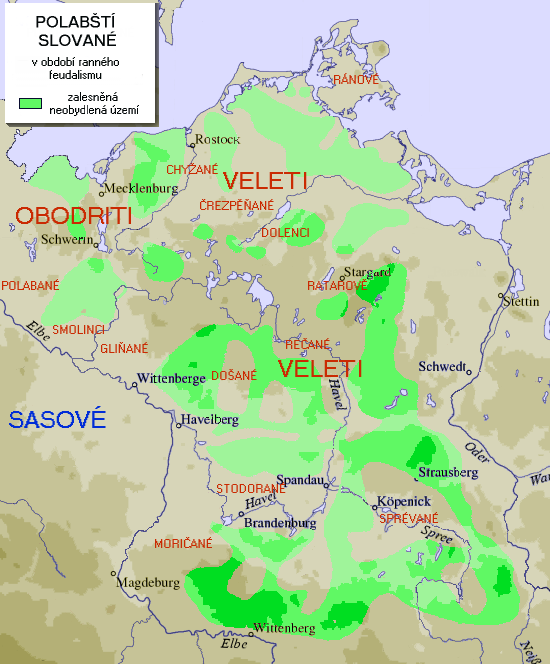
Polabian was the westernmost of the Slavic languages, spoken by communities along the lower Elbe in what is now northern Germany. Hemmed in by German speakers for centuries, the Slavs of the Drawehn slowly shifted to Low German, but the language held on to archaic features its bigger cousins to the east had thrown off — nasal vowels, the dual, traces of the aorist — while filling steadily with German loanwords.
It left next to no native writing. What survives was gathered by outsiders — scholars who could see it ending — in wordlists and stray sentences. Emerentz Schultze, the last person who had grown up speaking it, died on 3 October 1756; a man with broken, half-remembered fragments lingered to around 1825, but the living language went with her.
Worth remembering
- It kept archaic Proto-Slavic features its larger relatives had lost — nasal vowels, the dual number, and traces of the aorist — even as Low German vocabulary seeped in.
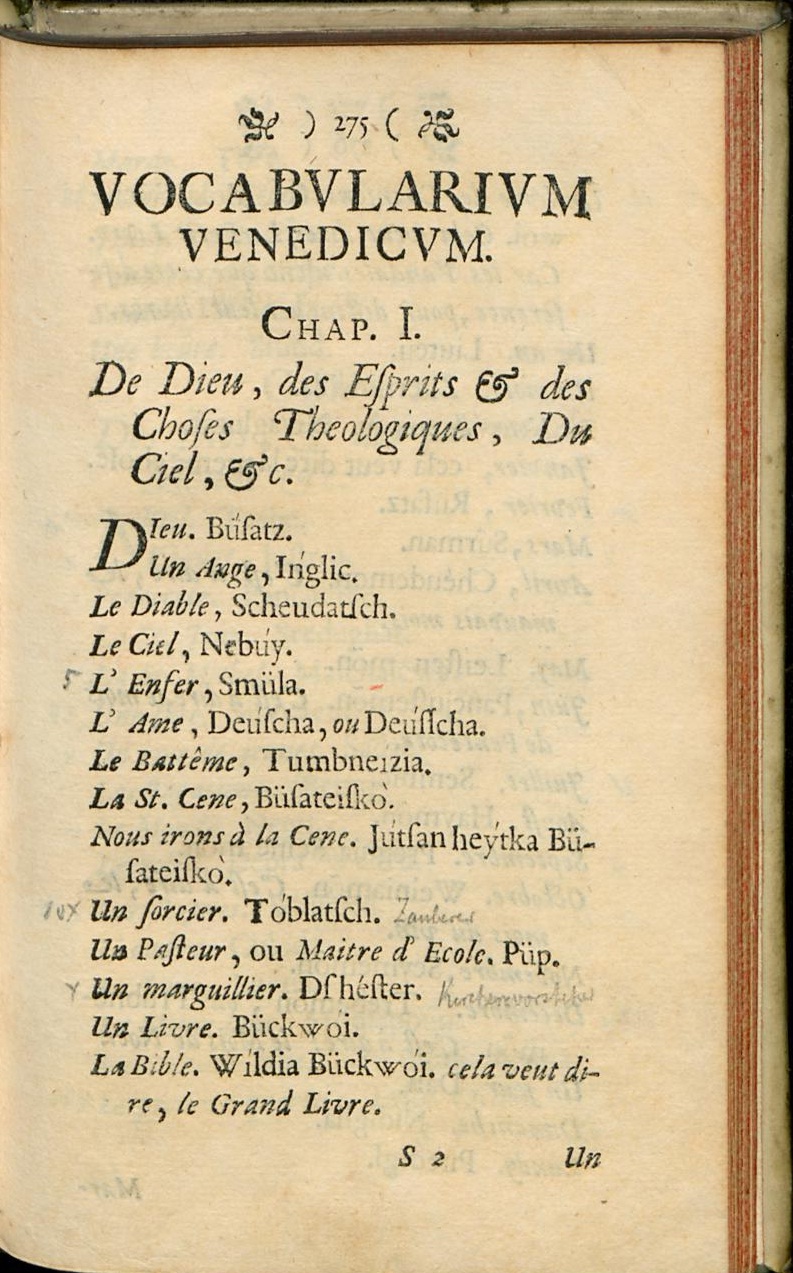
- Almost nothing was written by its own speakers; the surviving record is a handful of wordlists and sentences — above all the Vocabularium Venedicum compiled by Christian Hennig von Jessen — set down by outside scholars as the language was dying.
Gallery
Sources
- Polabian was the westernmost Slavic language; its last native speaker, Emerentz Schultze, died on 3 October 1756 Wikipedia
- Polabian is classified as an extinct West Slavic language of the Lechitic branch Glottolog
- Polabian is catalogued in the Indo-European Comparative Reference database as a West Slavic language, with its richest documentation from Christian Hennig von Jessen's work in Klennow near Wustrow at the turn of the 17th to 18th centuries. IE-CoR / Max Planck Institute
A graveyard tradition: leave a stone to show you came, and remembered.