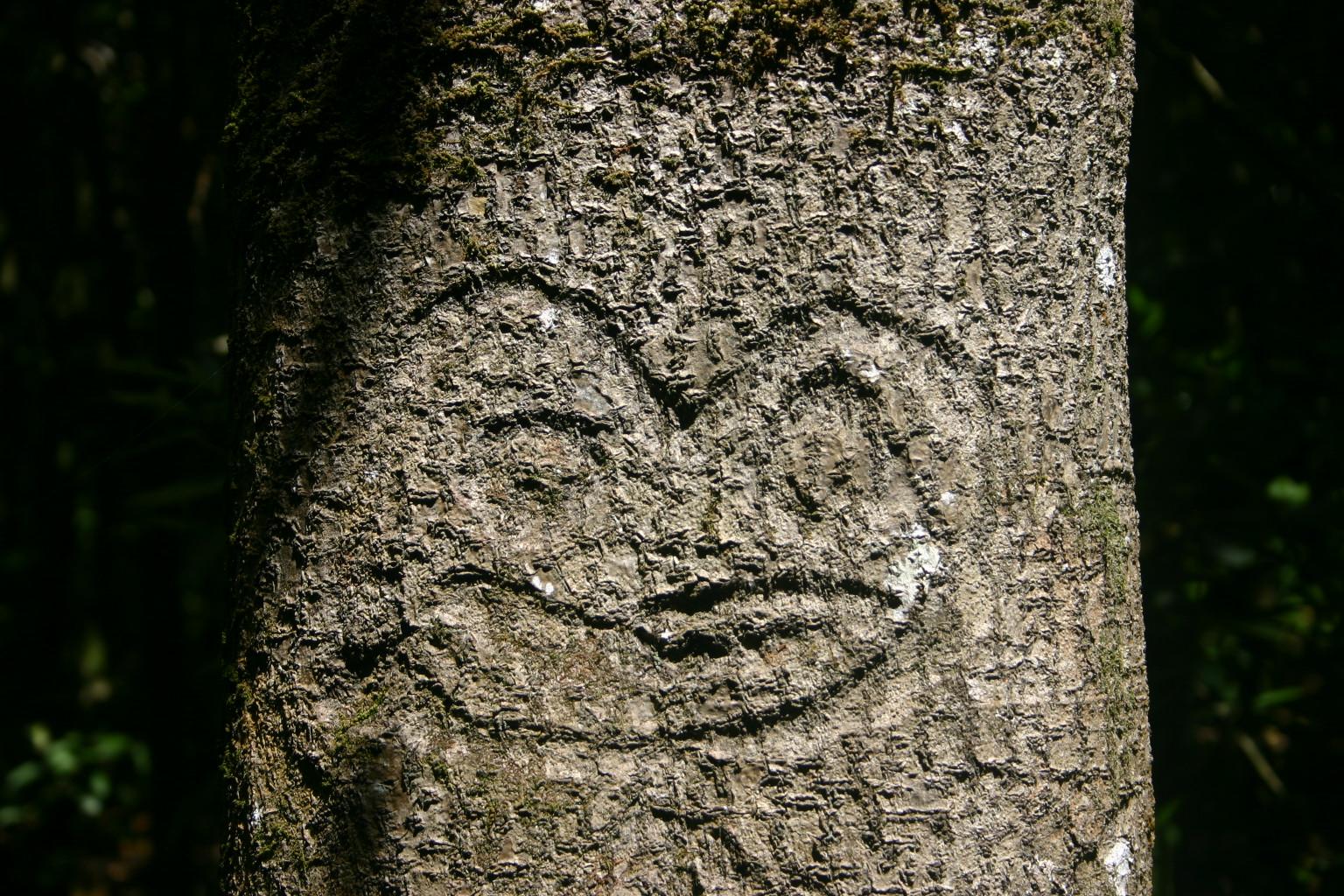
Moriori settled the Chatham Islands — Rēkohu, far to the east of New Zealand — around 1500, and built a society governed by Nunuku’s Law, a sworn renunciation of killing. Their language, ta rē Moriori, was a close cousin of Māori, shaped over centuries of isolation on a cold, sea-locked archipelago. For three hundred years it was the whole world of the people who spoke it.
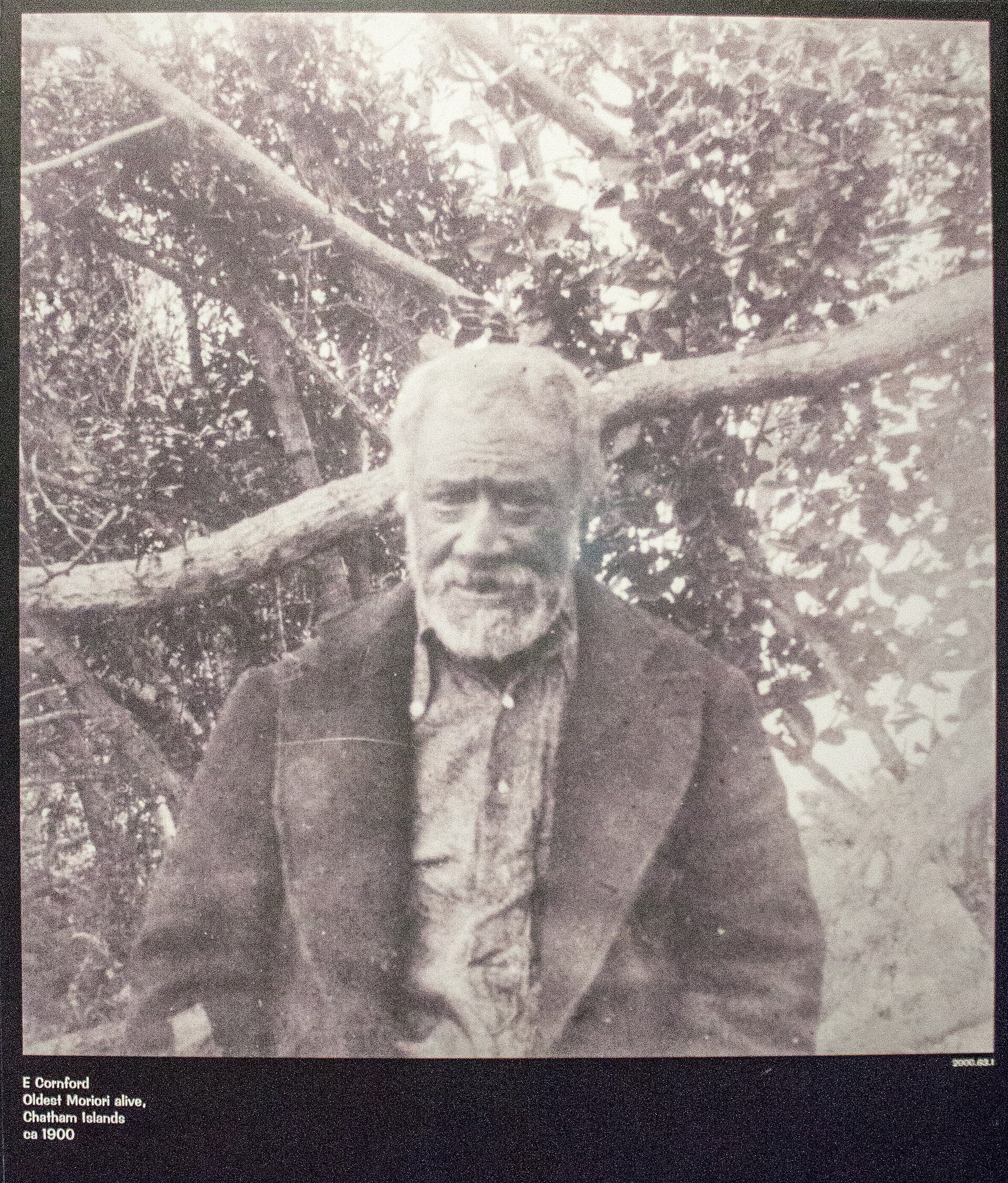
That world was destroyed in a single generation. In 1835 two iwi from the mainland invaded; the Moriori, holding to their covenant, chose not to fight, and were slaughtered and enslaved until barely a hundred remained. The language stopped passing to children, and its last fluent speaker, Hirawanu Tapu, died around 1900 — but not before giving the magistrate’s clerk Alexander Shand the stories and words that are now nearly all that survives of it. The distinction matters: the Moriori people were never extinct, a myth long used to dispossess them, and today they are reviving the tongue from those records. What died around 1900 was Moriori as a living first language — silenced not by time but by conquest.
Worth remembering
- Moriori lived by Nunuku's Law, a covenant of non-violence; when 900 armed warriors of two mainland iwi landed in November 1835, the people's assembly held to the law through three days of debate, and were massacred or enslaved as a result — their peace becoming the instrument of their undoing.
- Almost the entire written record of the language comes from one collaboration: Hirawanu Tapu, a last fluent speaker, dictating stories and vocabulary to the magistrate's clerk Alexander Shand in the 1880s and 1890s, just before daily Moriori speech ended.
Gallery
Sources
- Hirawanu Tapu, one of the last fluent speakers, worked with Alexander Shand to record stories and vocabulary that form the surviving written corpus; his death around 1900 pushed ta rē Moriori to the brink of extinction. Moriori Imi Settlement Trust
- No continuous first-language speakers remain; a University of Auckland project with the Hokotehi Moriori Trust is reconstructing the language from nineteenth-century texts to support its revival. The Conversation / University of Auckland
- The first official Moriori Language Week was held in November 2025; only around ten people can hold a conversation, and no native speakers remain. The Spinoff
A graveyard tradition: leave a stone to show you came, and remembered.