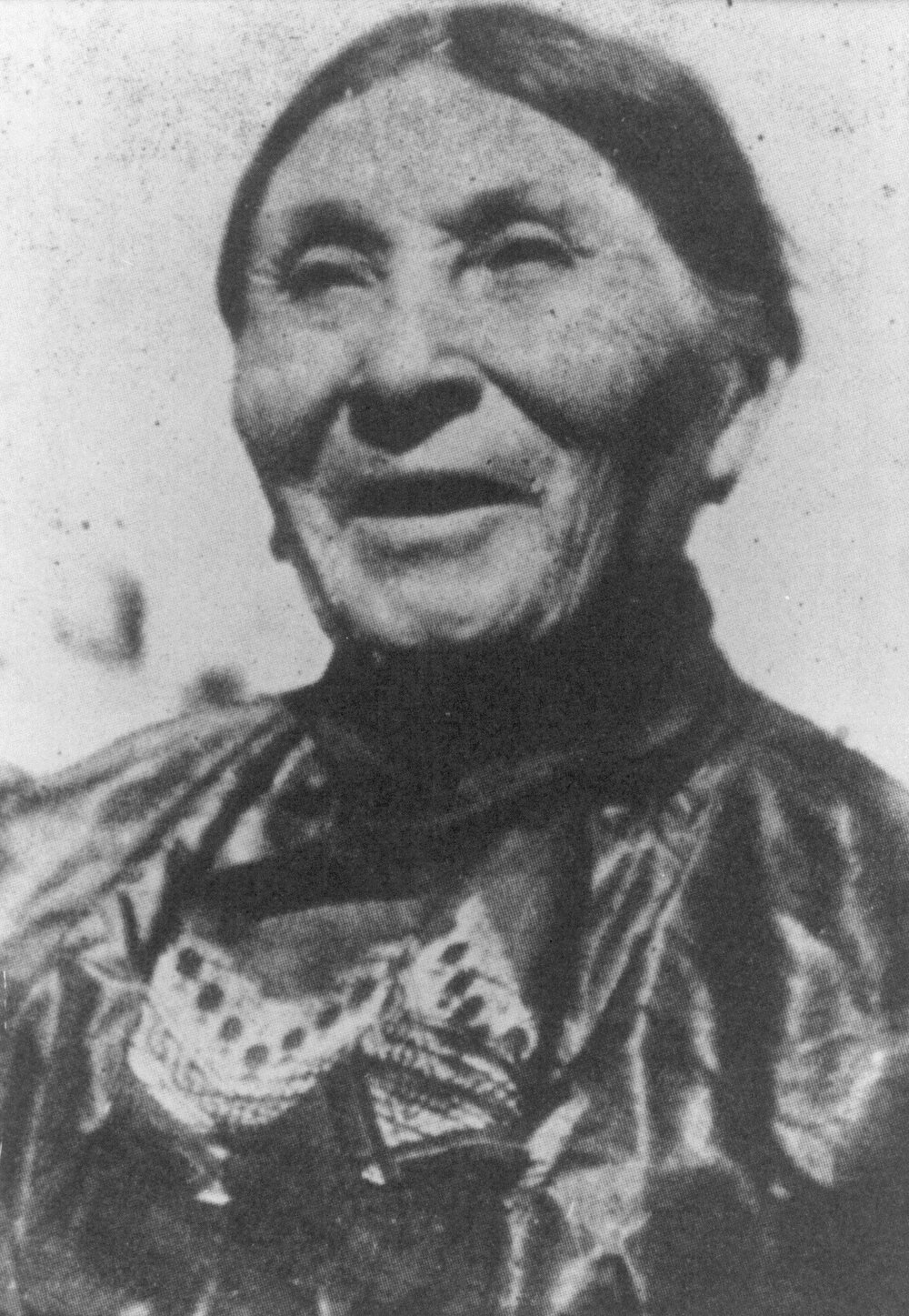
Mohegan-Pequot was an Eastern Algonquian language of southern New England, spoken around what is now Connecticut. Like its Algonquian relatives it used obviation, marking which of two third persons was in focus and which was in the background — a distinction English has no way to make.
Fidelia Fielding, a descendant of the sachem Uncas and the last native speaker, kept four diaries in the language and lived in a traditional log house until her death on 18 July 1908. The notebooks outlasted everyone who could read them aloud; they became the backbone of the orthography the Mohegan Language Project, launched in 2012, has built into lessons and a dictionary, taught since 2018 to second-language learners.
Worth remembering
- Like its Algonquian relatives it used obviation, grammatically marking which third-person referent was in focus and which was backgrounded.
- Fidelia Fielding's four phonetic diaries became the foundation for the orthography and teaching materials of the modern Mohegan revival.
Gallery

Sources
- Mohegan-Pequot was an Eastern Algonquian language; its last native speaker, Fidelia Fielding, died on 18 July 1908, leaving four phonetic diaries Wikipedia
- Mohegan-Pequot is classified as an extinct Eastern Algonquian language Glottolog
- The Mohegan Language Project, launched in 2012, has produced lessons, a dictionary and online materials for Mohegan-Pequot, drawing on the diaries of the last native speaker, Fidelia Fielding, who died in 1908. Omniglot
A graveyard tradition: leave a stone to show you came, and remembered.