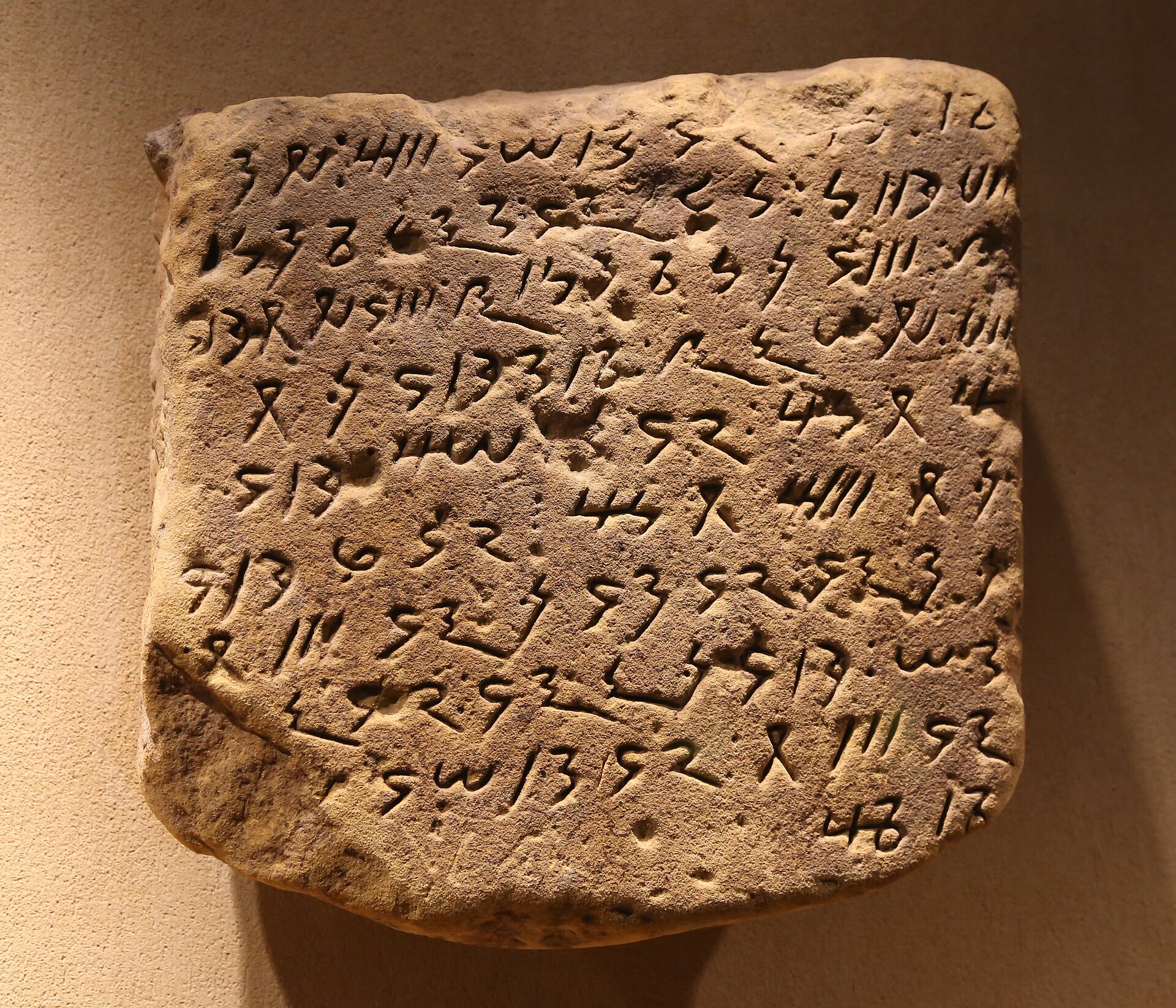
The language of the Kingdom of Kush, written in its own script — phonetically deciphered by Francis Llewellyn Griffith in 1909, so we can read it aloud but still barely understand it.
Died
400 CE
Dead for
1,626 yrs
Cause of death
Conquest
Replaced by
Old Nubian
The Obituary
Meroitic was spoken in the Kingdom of Kush, centred on the city of Meroë in what is now Sudan, the southernmost literate culture of the ancient Nile. From around the 2nd century BCE it was written in an indigenous alphabetic script, which under King Ergamenes had displaced earlier Egyptian hieroglyphs at Meroë. The script was deciphered phonetically in 1909, so its inscriptions can be read aloud, but the underlying language is still poorly understood. As the kingdom of Meroë collapsed around 350 CE under pressure from Aksum, the language gave way to Old Nubian.
Worth remembering
Scholars can sound out its alphabet, deciphered by Francis Llewellyn Griffith in 1909, yet the meaning of most words remains unknown.
It was the southernmost literate language of the ancient Nile, the voice of the pyramids of Meroë in present-day Sudan.
Gallery
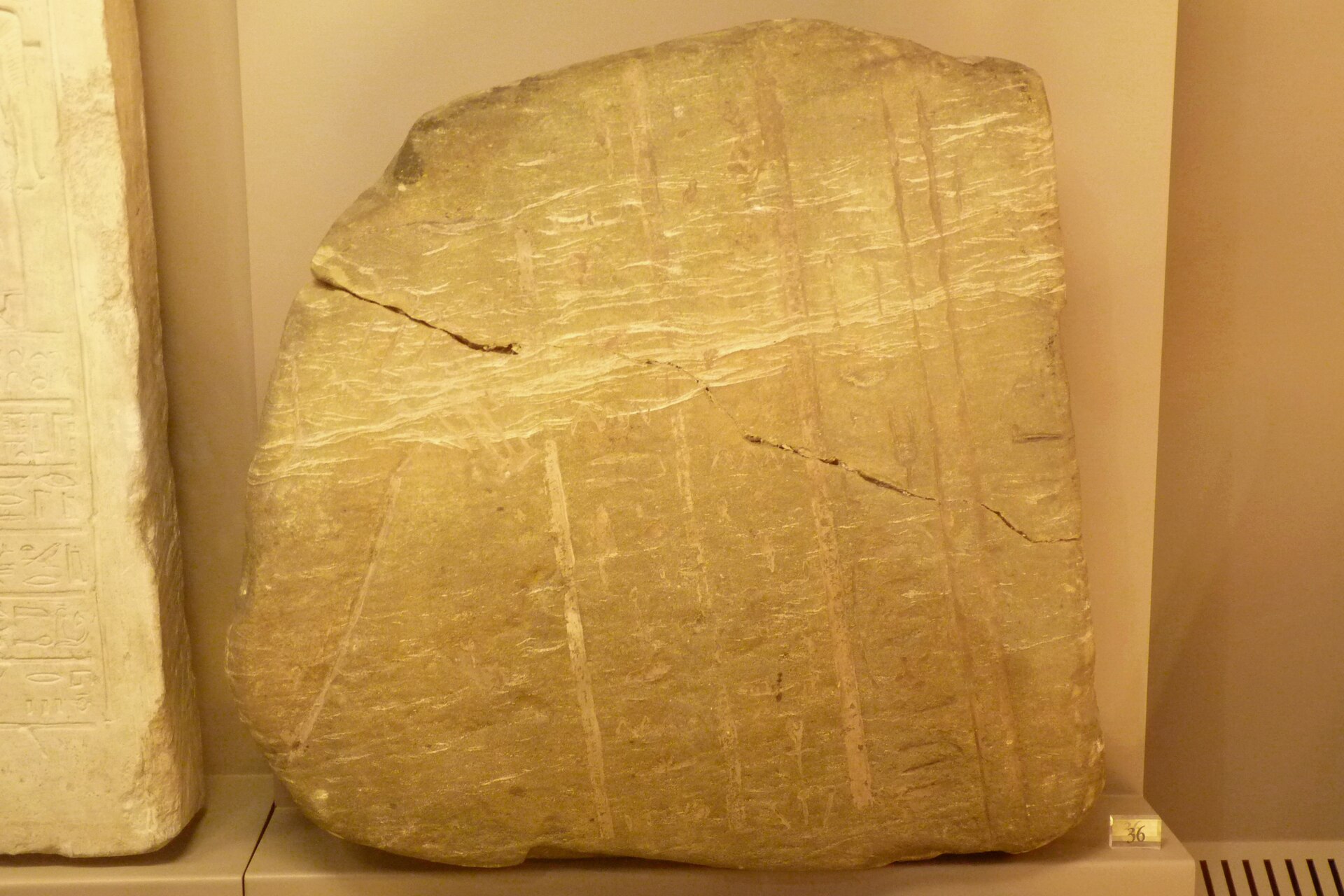
Sandstone block with Meroitic hieroglyphic relief from a pyramid chapel at Meroe, 3rd century BCE, Archaeological Museum of BolognaKhruner · CC BY-SA 4.0
Sources
Meroitic was the language of the Kingdom of Kush and Meroë, written in an indigenous script and largely undeciphered in meaning. Wikipedia
Meroitic declined after the fall of the Meroitic kingdom around the 4th century CE. Encyclopaedia Britannica
The Meroitic alphabet — deciphered phonetically by British Egyptologist Francis Llewellyn Griffith in 1909 — was derived around 315 BCE with a cursive form by 185 BCE, and remained in use until about 440 CE; despite decipherment of the script, linguists cannot determine how Meroitic relates to other languages and most inscriptions remain semantically opaque. Omniglot
Egyptian hieroglyphs were displaced at Meroë by the indigenous Meroitic script under King Ergamenes (r. 295–275 BCE); the Aksumite invasion around 330 CE brought about the end of the Meroitic written and spoken language. World History Encyclopedia
A graveyard tradition: leave a stone to show you came, and remembered.
Buried nearby — by shared fate or a neighbouring lifespan.