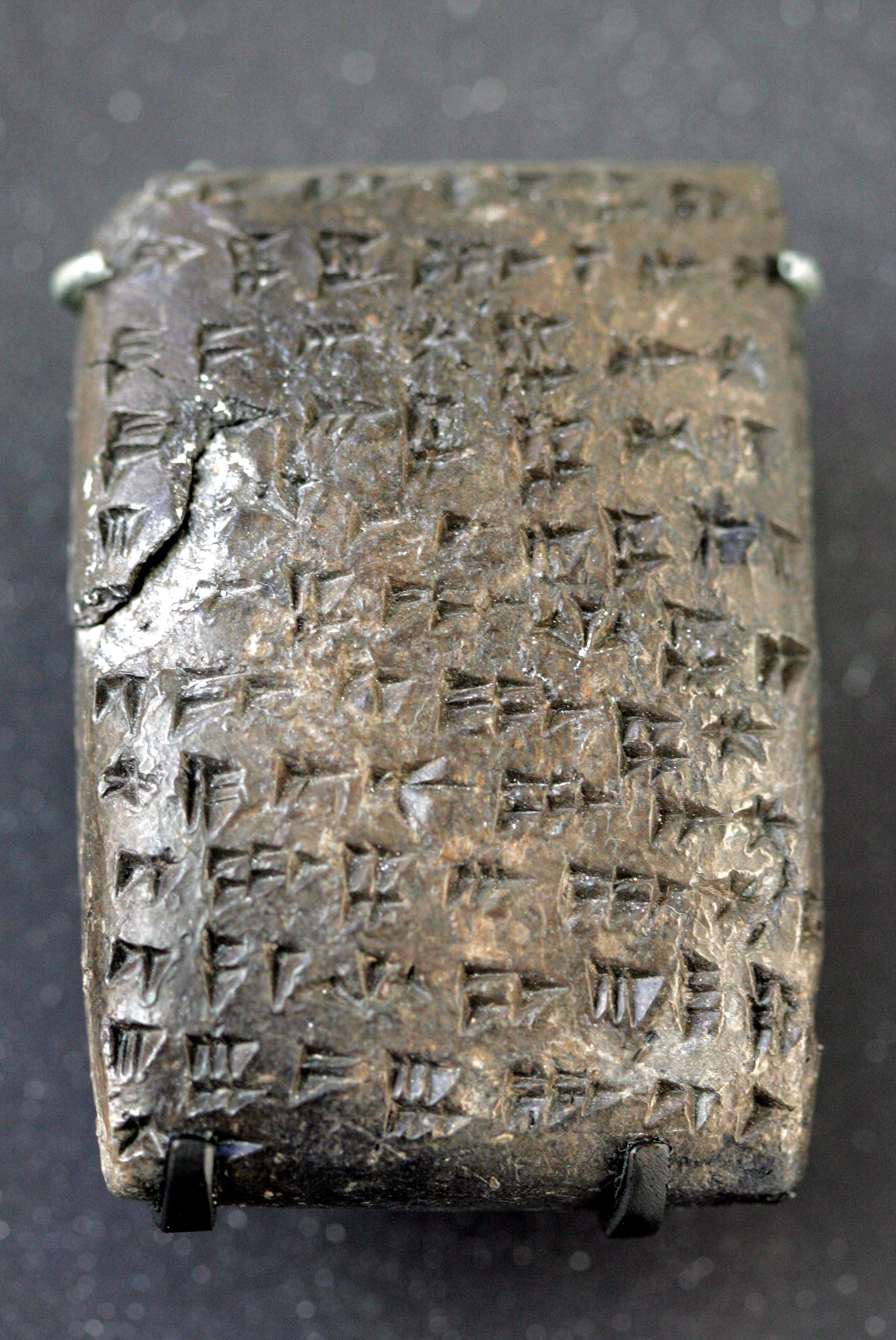
The tongue of the Mitanni kings, whose Hymn to Nikkal is the oldest written melody on Earth — before the cuneiform fell silent.
Died
1000 BCE
Dead for
3,026 yrs
Cause of death
Conquest
Replaced by
Akkadian and Aramaic
The Obituary
Hurrian was spoken across northern Mesopotamia, Syria, and eastern Anatolia in the second millennium BCE, most prominently in the kingdom of Mitanni. Written in cuneiform borrowed from the Akkadians — though some texts from Ugarit used the Ugaritic alphabet — it belonged to the small Hurro-Urartian family, its only close relative being the later Urartian. Among its texts is the Hurrian Hymn to Nikkal, the oldest written melody yet found. As Mitanni fell and Assyrian and Aramaic speakers spread, Hurrian declined through the late Bronze Age and disappeared from the record by roughly 1000 BCE.
Worth remembering
A Hurrian hymn from around 1400 BCE is the oldest substantially complete notated melody known to exist.
Its only surviving relative was Urartian, the language of a later kingdom around Lake Van.
Gallery
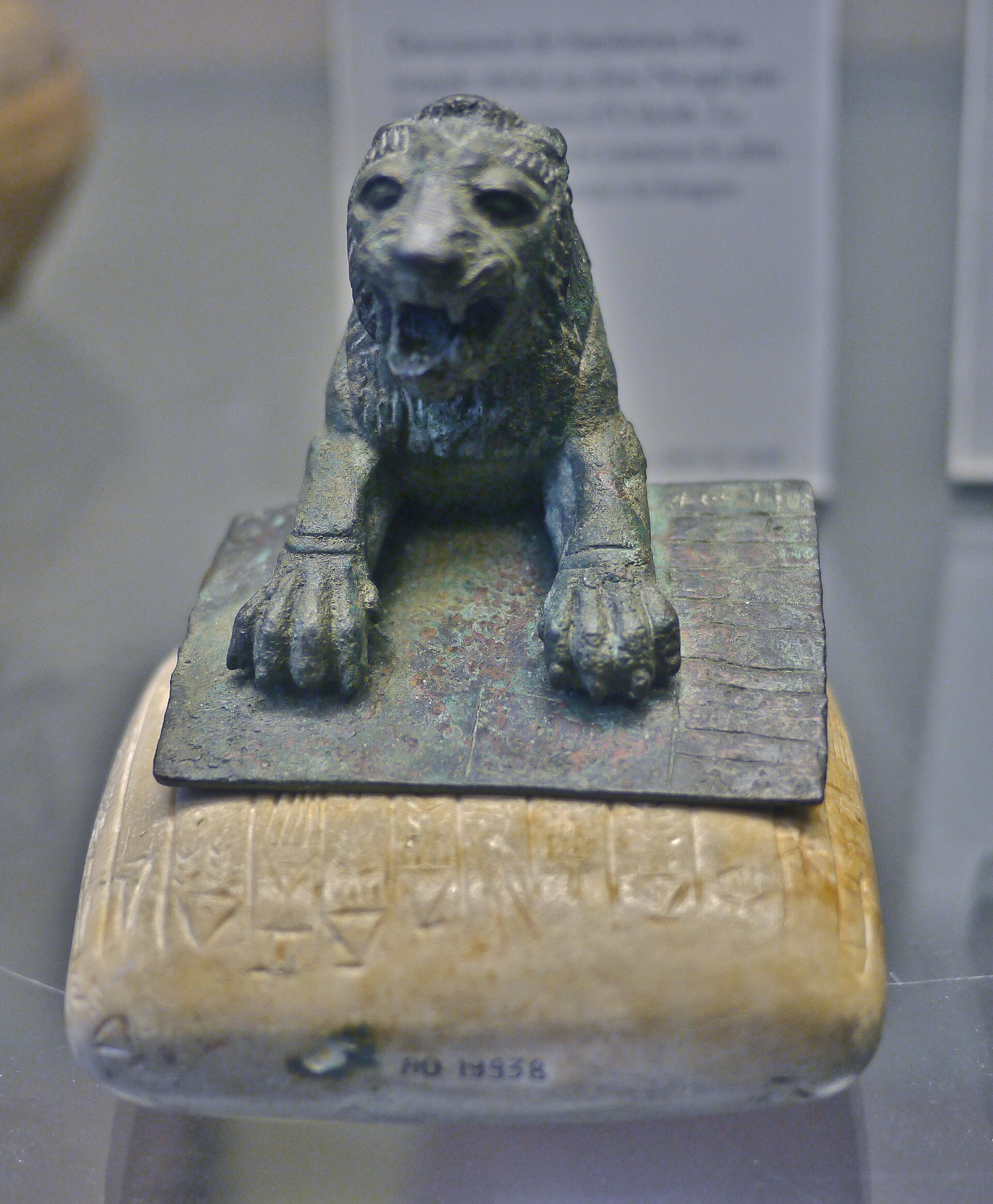
Hurrian foundation peg and stone tablet from ancient Urkesh, 21st century BC, Louvre museumUnknown author · CC BY-SA 3.0
Sources
Hurrian was the language of the Hurrians and the kingdom of Mitanni, written in cuneiform and related to Urartian. Wikipedia
The Hurrian Hymn to Nikkal is the oldest known written piece of music, dating to around 1400 BCE. Wikipedia
Hurrian is an agglutinating language with ergative grammar — unlike Indo-European or Semitic languages — and its only known relative is Urartian; their connection to any living language remains uncertain. Encyclopaedia Britannica
The Hurrian language was written in cuneiform, though some surviving texts from Ugarit use the Ugaritic alphabet; Hurrian was the dominant cultural language of the Mitanni kingdom from approximately 1500–1300 BCE. World History Encyclopedia
A graveyard tradition: leave a stone to show you came, and remembered.
Buried nearby — by shared fate or a neighbouring lifespan.