The oldest written Indo-European language, lost when its capital Hattusa burned around 1180 BCE and forgotten until clay tablets gave it back its voice.
Died
1100 BCE
Dead for
3,126 yrs
Cause of death
Conquest
Replaced by
Luwian and Phrygian
The Obituary
Hittite was the language of the Hittite Empire, which ruled much of Anatolia and Syria during the second millennium BCE. Written in cuneiform on clay tablets stored at the capital Hattusa, it is the oldest attested Indo-European language — its earliest record, composed by the ruler Anitta, is the oldest known Indo-European text. When the Bronze Age empires collapsed around 1180 BCE and Hattusa was destroyed, Hittite vanished from history, surviving only in buried archives. Rediscovered and deciphered in 1915, it reshaped scholars’ understanding of where the Indo-European family began.
Worth remembering
It is the oldest Indo-European language ever recorded, a distant relative of English, Latin, and Sanskrit.
Its decipherment in 1915 by Bedřich Hrozný proved Anatolia was an Indo-European homeland.
Gallery
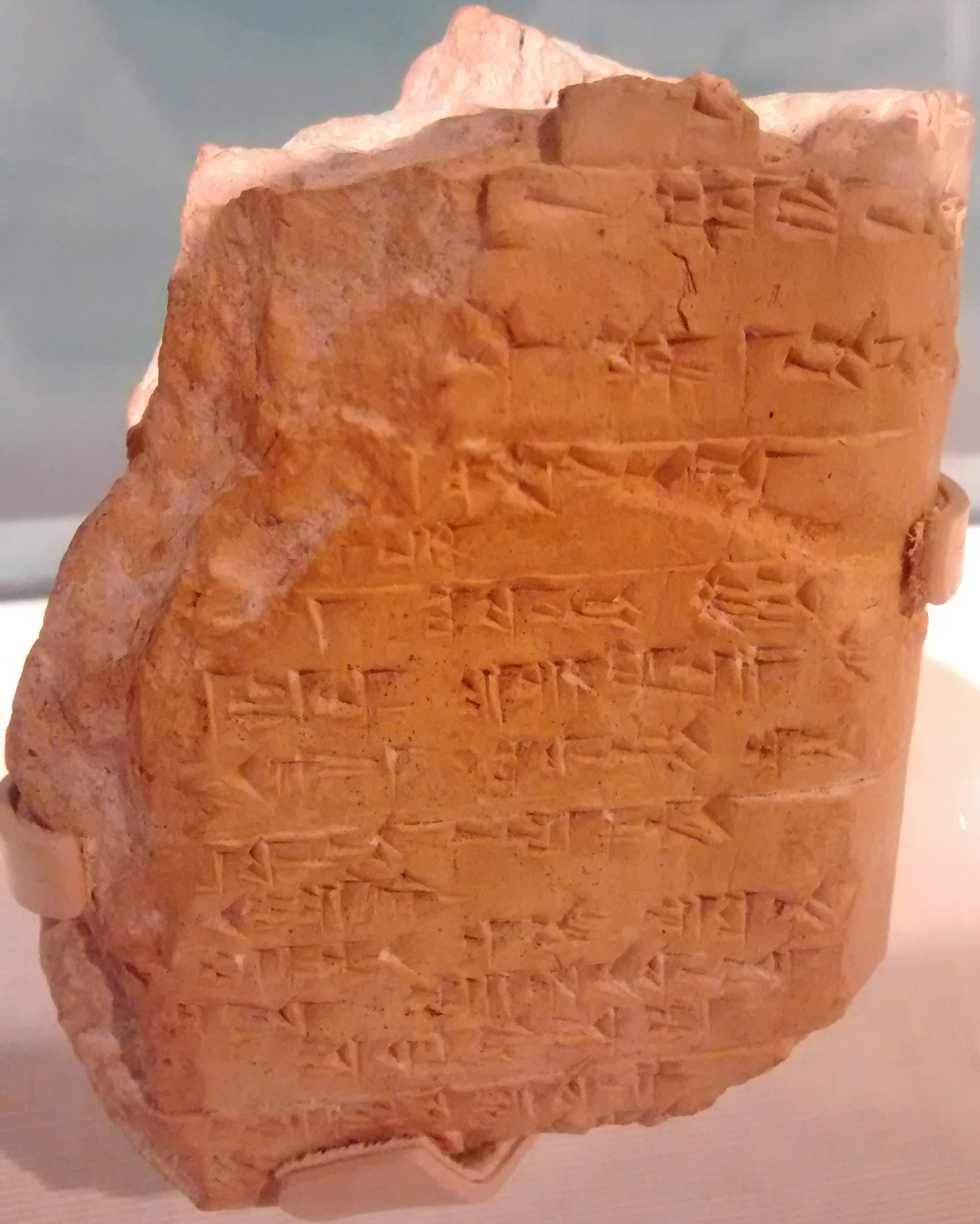
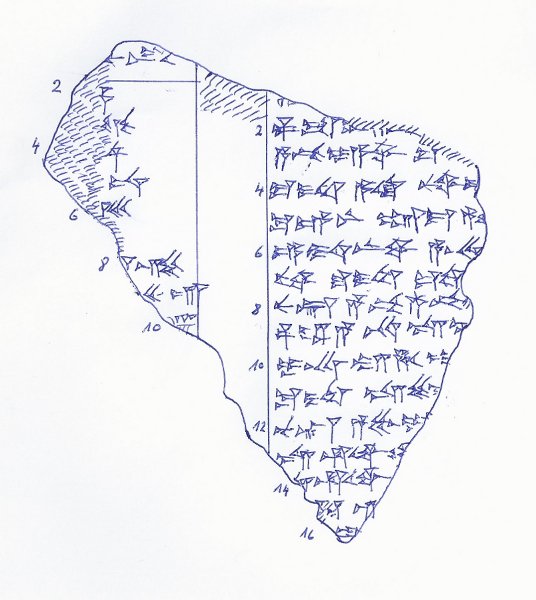
Hittite cuneiform tablet inscribed with the Deeds of Suppiluliuma I, from Hattusa (Bogazköy)Didia · CC BY-SA 3.0
Sources
Hittite is the earliest attested Indo-European language, written in cuneiform and spoken in the Hittite Empire in Anatolia. Wikipedia
Hittite died out around the collapse of the Hittite Empire near 1180 BCE and was rediscovered through cuneiform archives. Encyclopaedia Britannica
Hittite is attested from the 16th to the 13th centuries BCE and is the earliest Indo-European language to appear in writing; its cuneiform script was adapted from Akkadian cuneiform from northern Syria. Omniglot
Around 10,000 cuneiform tablets were discovered at the Hittite capital Hattusa in 1906, including the oldest known Hittite text composed by the ruler Anitta — the oldest known Indo-European text. World History Encyclopedia
A graveyard tradition: leave a stone to show you came, and remembered.
Buried nearby — by shared fate or a neighbouring lifespan.