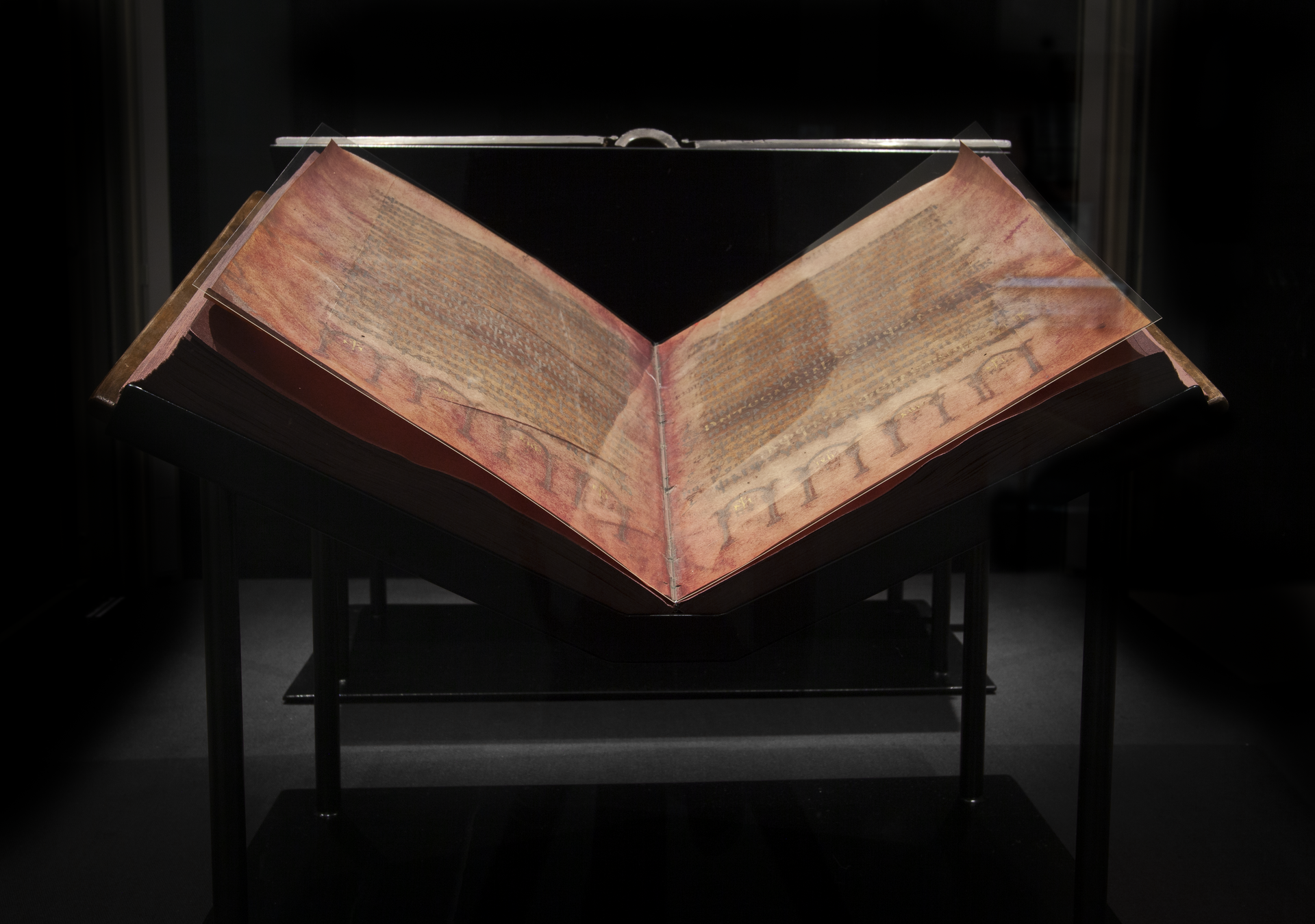
The only East Germanic tongue left to us in writing, preserved in Bishop Wulfila's silver-lettered Bible, the Codex Argenteus, while its speakers melted into the nations of Europe.
Died
700 CE
Dead for
1,326 yrs
Cause of death
Assimilation
Replaced by
Romance and other Germanic languages
The Obituary
Gothic was spoken by the Goths, the Germanic people who pressed into the Roman Empire and founded kingdoms in Italy, Gaul, and Spain. It is the only East Germanic language preserved in a substantial body of text, almost all of it from Bishop Wulfila’s (Latinized Ulfilas) fourth-century translation of the Bible, written in an alphabet he devised himself — the silver-and-gold-inked Codex Argenteus. As the Goths settled among Romance- and other Germanic-speaking populations, their language was absorbed, fading from use by roughly the 8th or 9th century CE.
Worth remembering
Almost all surviving Gothic comes from the Codex Argenteus, a 6th-century Bible written in silver and gold ink on purple parchment.
Bishop Wulfila invented an alphabet specifically to write Gothic and translate scripture in the 4th century.
Gallery
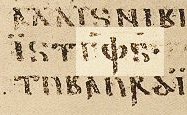
Detail of the Codex Argenteus showing Gothic script with abbreviated sacred name, from Matthew 5:34Public domain
Sources
Gothic is an extinct East Germanic language known mainly from Wulfila's 4th-century Bible translation. Wikipedia
Gothic is the earliest substantially documented Germanic language and the only East Germanic language with a sizeable corpus. Encyclopaedia Britannica
The Gothic alphabet was invented around the mid-4th century CE by Bishop Wulfila (311–383 CE) and is based on the Greek alphabet, with some additional letters from the Latin and Runic alphabets. Omniglot
The Gothic Bible translation by Ulfilas — made from Greek into Gothic around 350 CE — is essentially the only substantial surviving record of the language. World History Encyclopedia
A graveyard tradition: leave a stone to show you came, and remembered.
Buried nearby — by shared fate or a neighbouring lifespan.