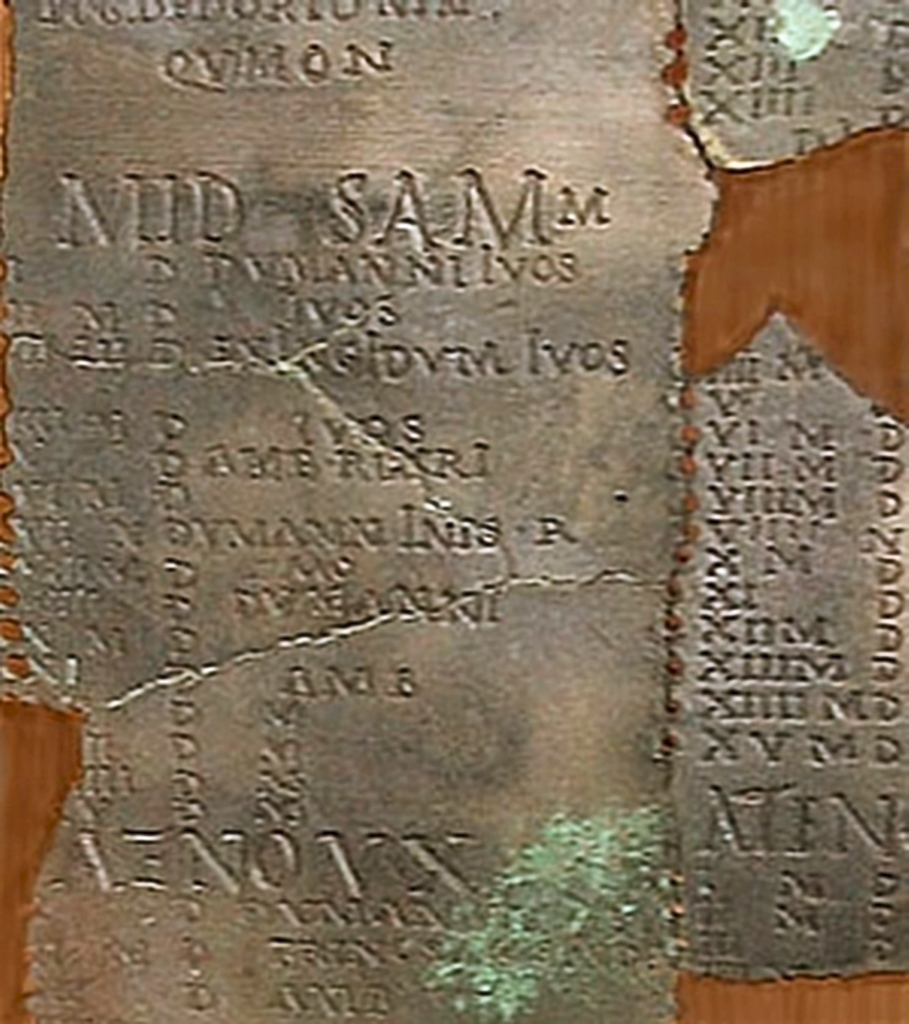
The Celtic speech of Vercingetorix and the druids, conquered by Caesar and worn away by the Latin that became French.
Died
550 CE
Dead for
1,476 yrs
Cause of death
Conquest
Replaced by
Latin (Gallo-Romance)
The Obituary
Gaulish was the Continental Celtic language spoken across Gaul, roughly modern France and neighbouring lands, before and during the Roman period, known today from about 800 surviving inscriptions. It was recorded in inscriptions using Greek, Etruscan, and Latin alphabets, though much of its religious and oral tradition was deliberately never written. After Julius Caesar’s conquest in the 50s BCE, Latin steadily displaced it, especially in towns and trade. Gaulish lingered in the countryside, by some accounts into the 5th or 6th century CE, before dissolving entirely into the Latin that would become French.
Worth remembering
It was the language of the druids, who by Caesar's report forbade their lore from being written down.
A scatter of Gaulish words survives in modern French, including possibly 'chêne' (oak) and 'char' (cart).
Gallery
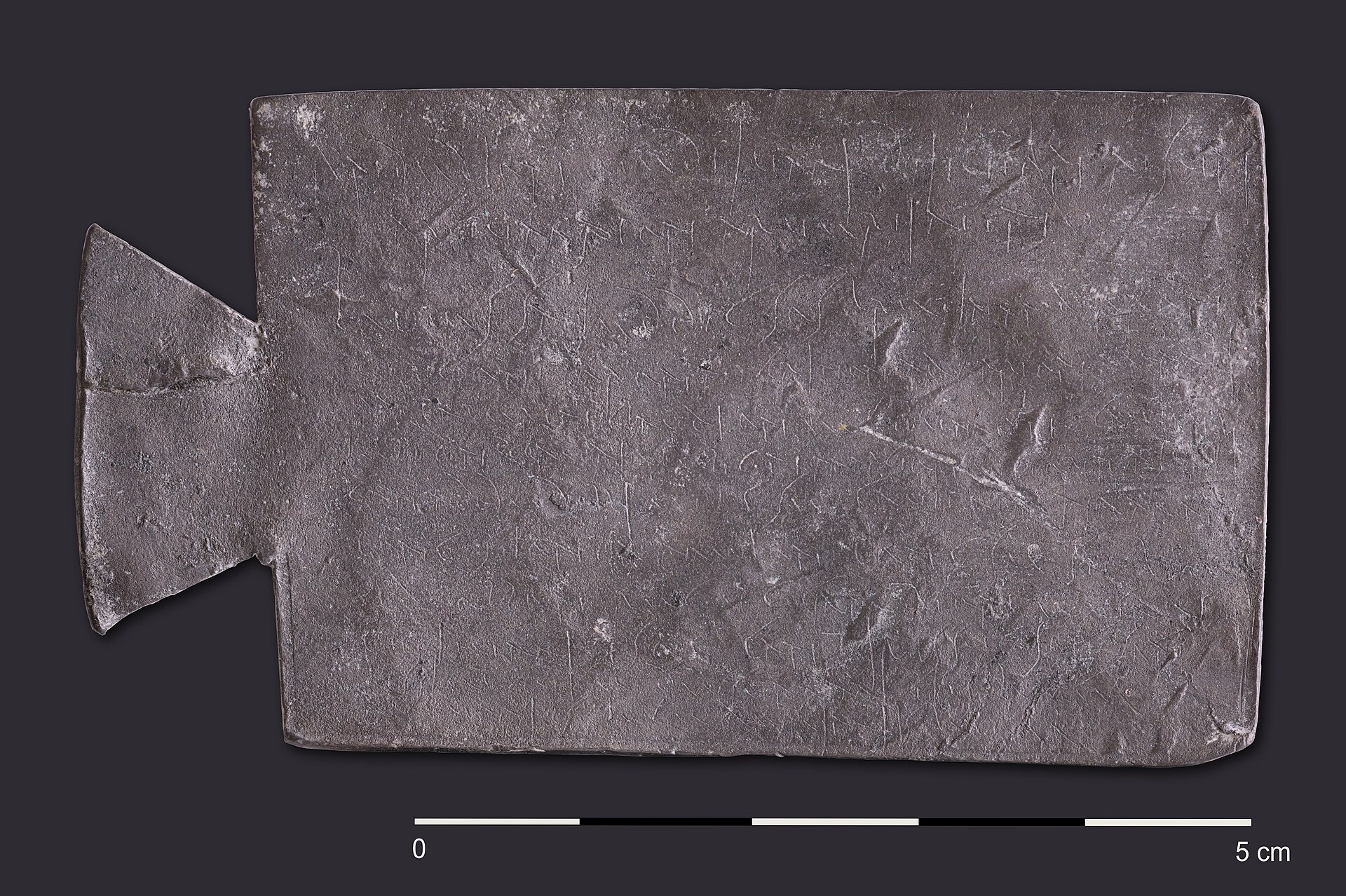
Gaulish lead curse tablet (defixio) from the source of the Roches, 1st century CE, Bargoin Museum, Clermont-FerrandUnknown author · CC BY-SA 4.0
Sources
Gaulish was a Continental Celtic language spoken in Gaul, gradually replaced by Vulgar Latin after the Roman conquest. Wikipedia
Gaulish is thought to have survived into the 5th or 6th century CE before being supplanted by Latin. Encyclopaedia Britannica
Gaulish is known from about 800 inscriptions using three different alphabets — Greek in the south of France, an Old Italic script in northern Italy, and Latin after Roman conquest; it was spoken until about the 5th century CE. Omniglot
A graveyard tradition: leave a stone to show you came, and remembered.
Buried nearby — by shared fate or a neighbouring lifespan.