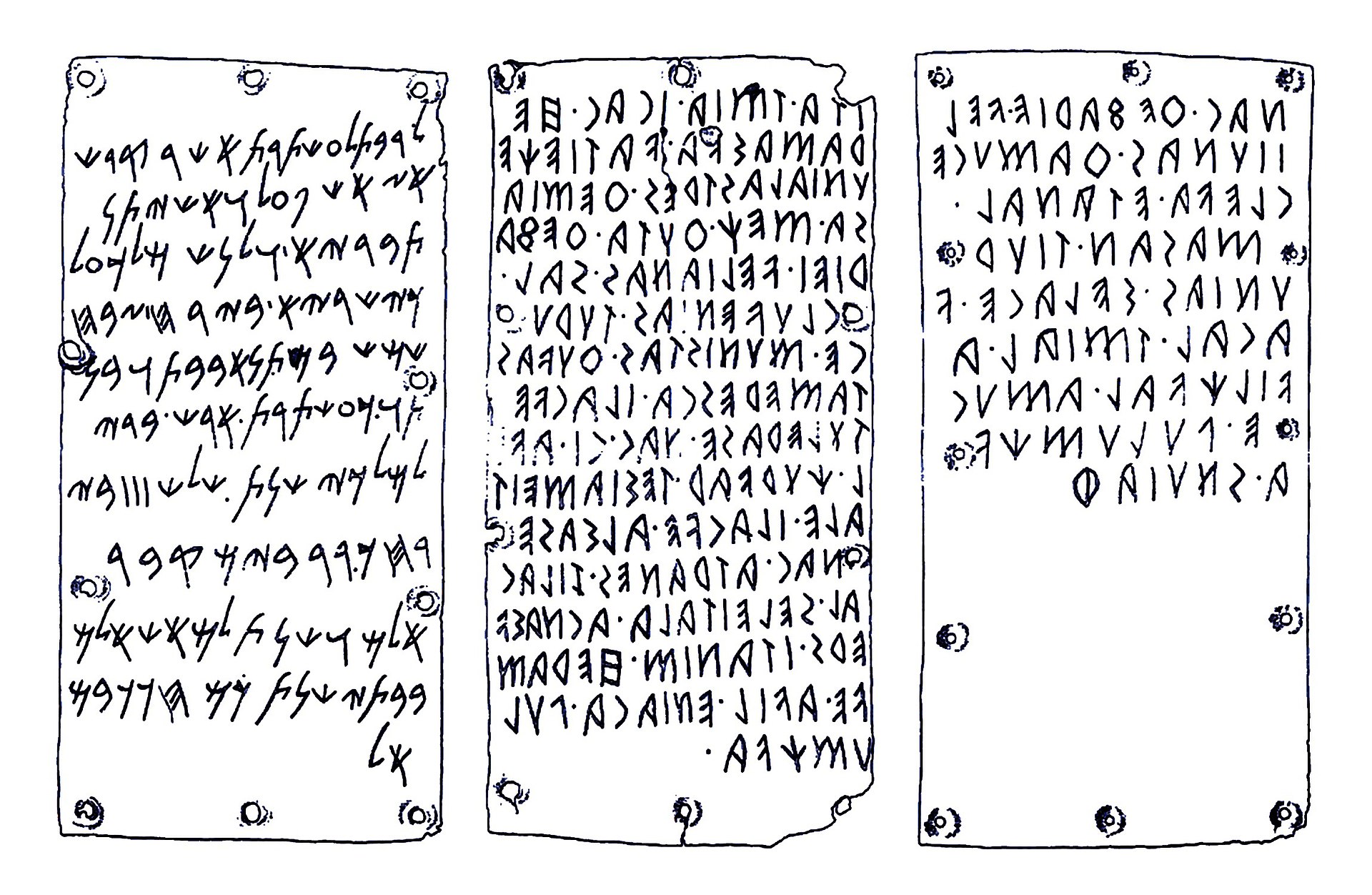
The non-Indo-European voice of pre-Roman Italy, surviving in some 13,000 inscriptions but still half-unread, drowned out by the Latin of the empire it helped to shape.
Died
50 CE
Dead for
1,976 yrs
Cause of death
Assimilation
Replaced by
Latin
The Obituary
Etruscan was spoken across Etruria in central Italy by the people who dominated the peninsula before Rome’s rise. A non-Indo-European language with no clear relatives, it was written in an alphabet derived from Greek, which the Romans in turn adapted for Latin. As Rome expanded and Romanised its neighbours, Etruscan retreated through the final centuries BCE, surviving in religious and ceremonial use until the first century CE. Around 13,000 inscriptions remain, but with no living kin the language is still only partly deciphered.
Worth remembering
Romans borrowed much from the Etruscans — including, by some accounts, the very alphabet that became their own.
Despite thousands of surviving inscriptions, scholars still cannot fully read it, as it has no living relatives.
Gallery
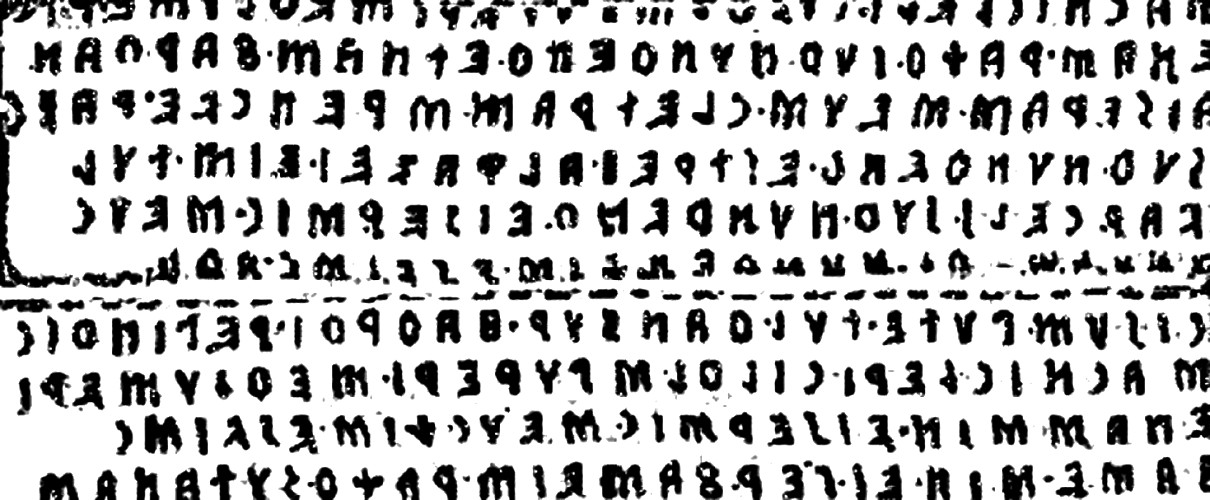
Section of the Liber Linteus Zagrabiensis — the only extant Etruscan linen book, used as mummy wrappings, Zagreb Archaeological MuseumPublic domain
Sources
Etruscan was the language of the Etruscan civilization in ancient Italy, a non-Indo-European isolate gradually replaced by Latin. Wikipedia
Etruscan survives in around 13,000 inscriptions but remains only partly understood. Encyclopaedia Britannica
There are over 13,000 individual Etruscan texts from the 8th to 1st century BCE; the language is unrelated to Indo-European languages, and the Etruscan alphabet was adapted from a western Greek variety introduced by Euboean traders before 700 BCE. World History Encyclopedia
A 500-pound sandstone slab found near Florence bearing 70 legible letters represents a rare long Etruscan inscription; most surviving texts are too brief to expand vocabulary beyond about 200 non-proper-noun words. Smithsonian Magazine
A graveyard tradition: leave a stone to show you came, and remembered.
Buried nearby — by shared fate or a neighbouring lifespan.