The axe-wielding Luwian storm-god who drove a bull-drawn chariot through the thunder, his Neo-Hittite kingdoms falling to Assyria and his name dying with the last who spoke Luwian.
Born
2000 BCE
Died
600 BCE
Lived
1,400 years
Dead for
2,626 yrs
Cause of death
Conquest
Replaced by
Later Anatolian, Phrygian and eventually Greco-Roman and monotheistic religion
The Obituary
Tarhunz (also Tarhun or Tarhunza) was the storm and weather god of the Luwians, known also to the Hittites, pictured wielding an axe and the lightning-bolt and riding a bull-drawn chariot. A chief deity of the Luwian-speaking peoples, he was carved on the stone reliefs of the Neo-Hittite kingdoms of Iron Age Anatolia and Syria. His cult was tied to those states and their language. As the Hittite empire collapsed and the Neo-Hittite kingdoms fell to Assyria and others over the early first millennium BCE, the Luwian tongue died and Tarhunz’s worship faded into silence.
Worth remembering
He was imagined riding a chariot drawn by bulls, brandishing an axe in one hand and the forked bolt of lightning in the other.
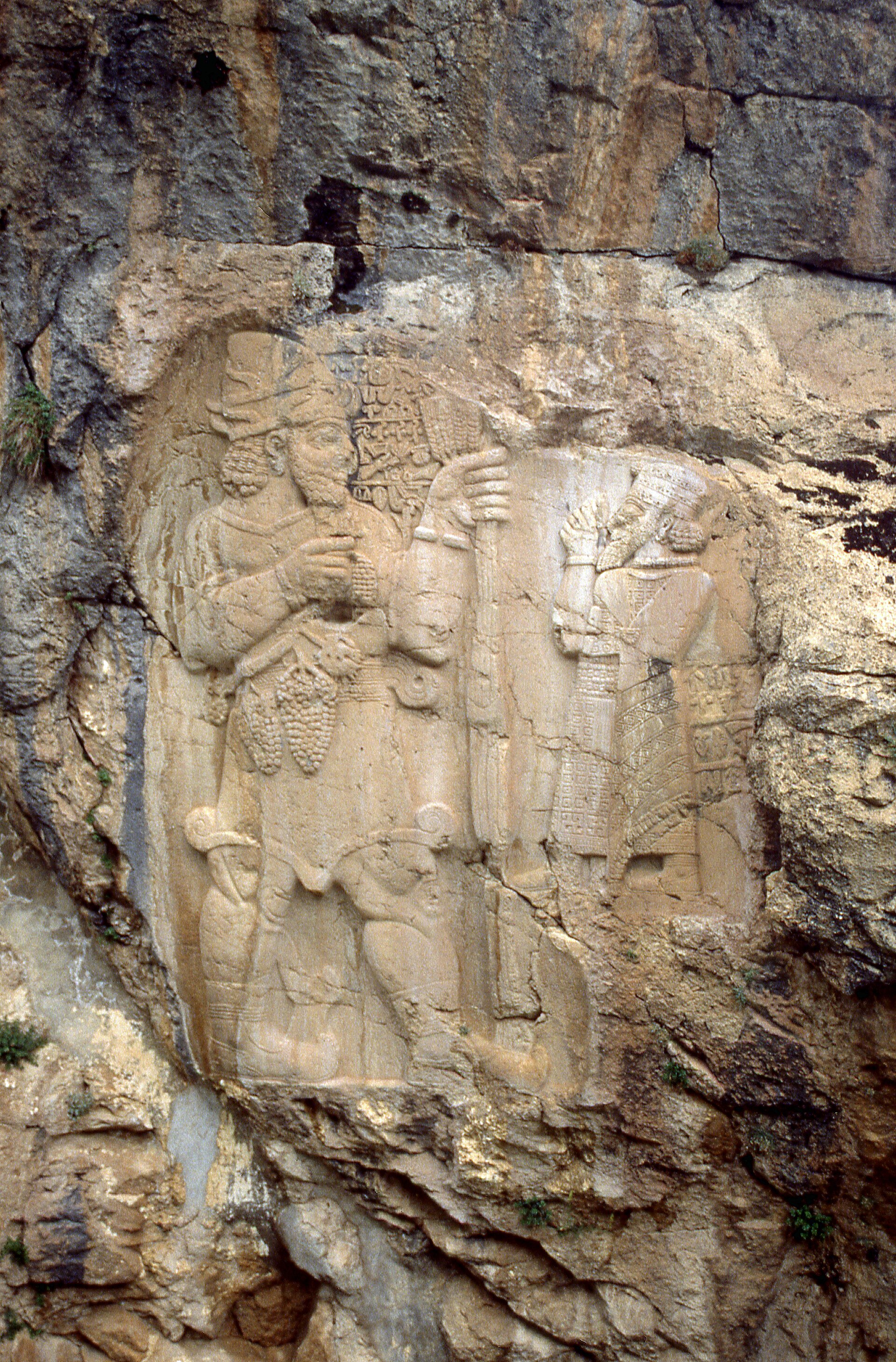
His worship spread among the Luwian-speaking Neo-Hittite kingdoms, whose stone reliefs still show him striding over mountains with his weapons raised.
Gallery
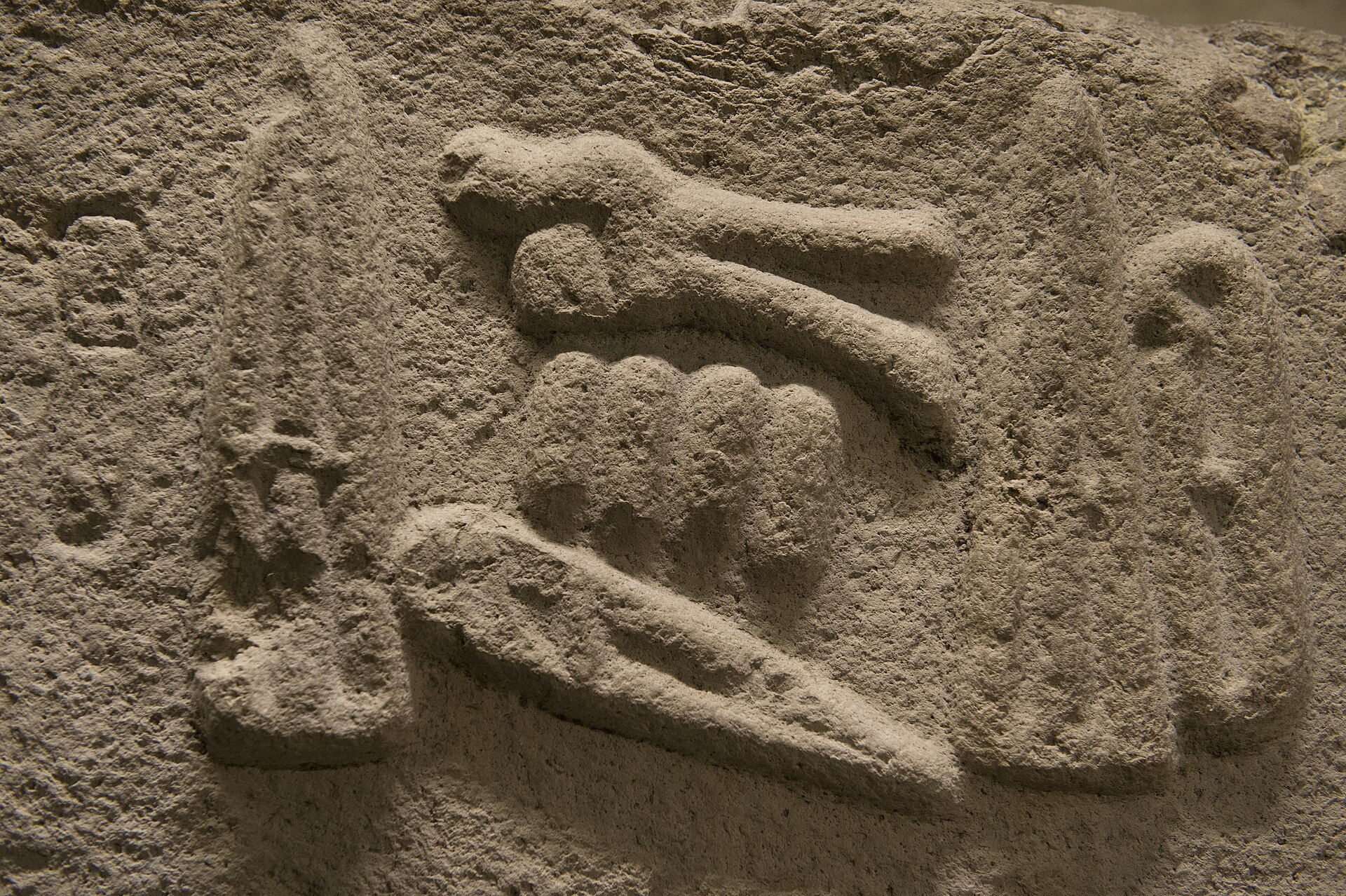
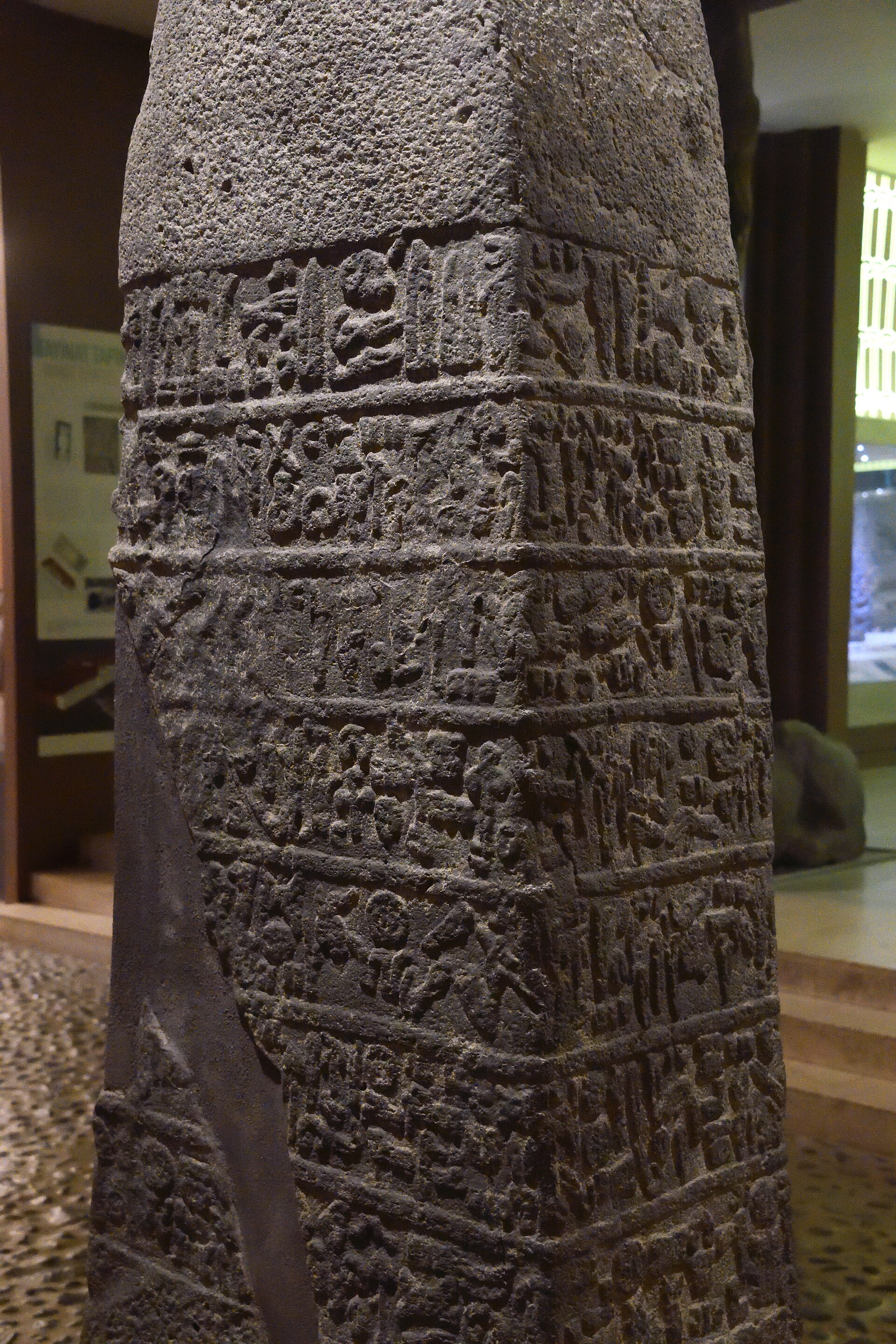
Ivriz rock relief showing the Luwian storm god Tarhunz holding grapes and grain before King WarpalawasMark Landon · CC BY 4.0Neo-Hittite Stela of Arsuz inscribed to the storm god Tarhunza, Antakya Archaeological MuseumDosseman · CC BY-SA 4.0
Sources
Tarhunz was the weather and storm god of the Luwians, also known to the Hittites, depicted wielding an axe and lightning. Wikipedia
Tarhunz was a chief deity of the Luwian-speaking peoples and the Neo-Hittite states of Iron Age Anatolia and Syria. World History Encyclopedia
Tarhun (Tarhunz) was the weather and storm god of the Hittites and Luwians of Anatolia, wielder of the thunderbolt and chief of the Hittite state pantheon. Encyclopaedia Britannica
A graveyard tradition: leave a stone to show you came, and remembered.
Buried nearby — by shared fate or a neighbouring lifespan.