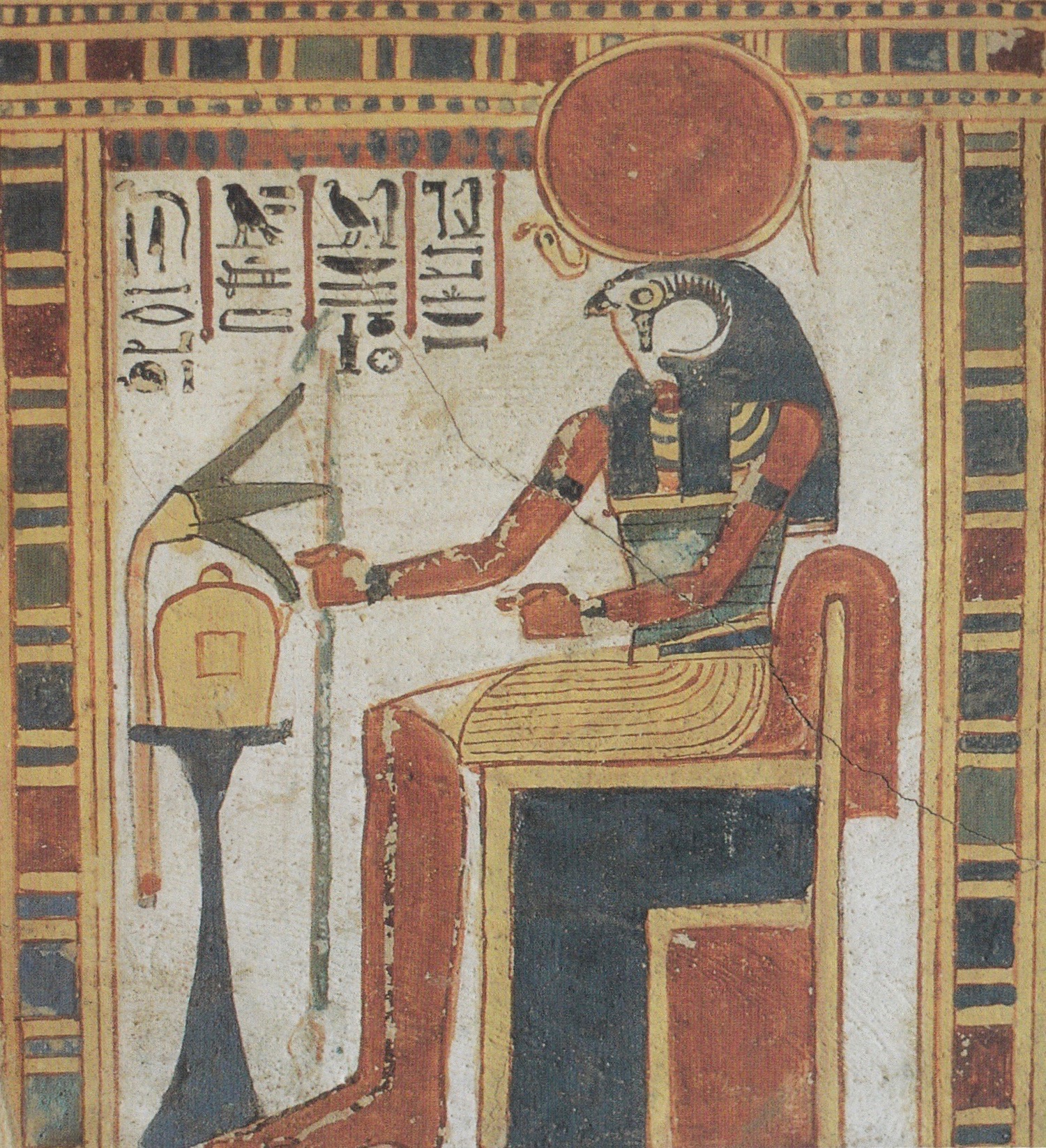
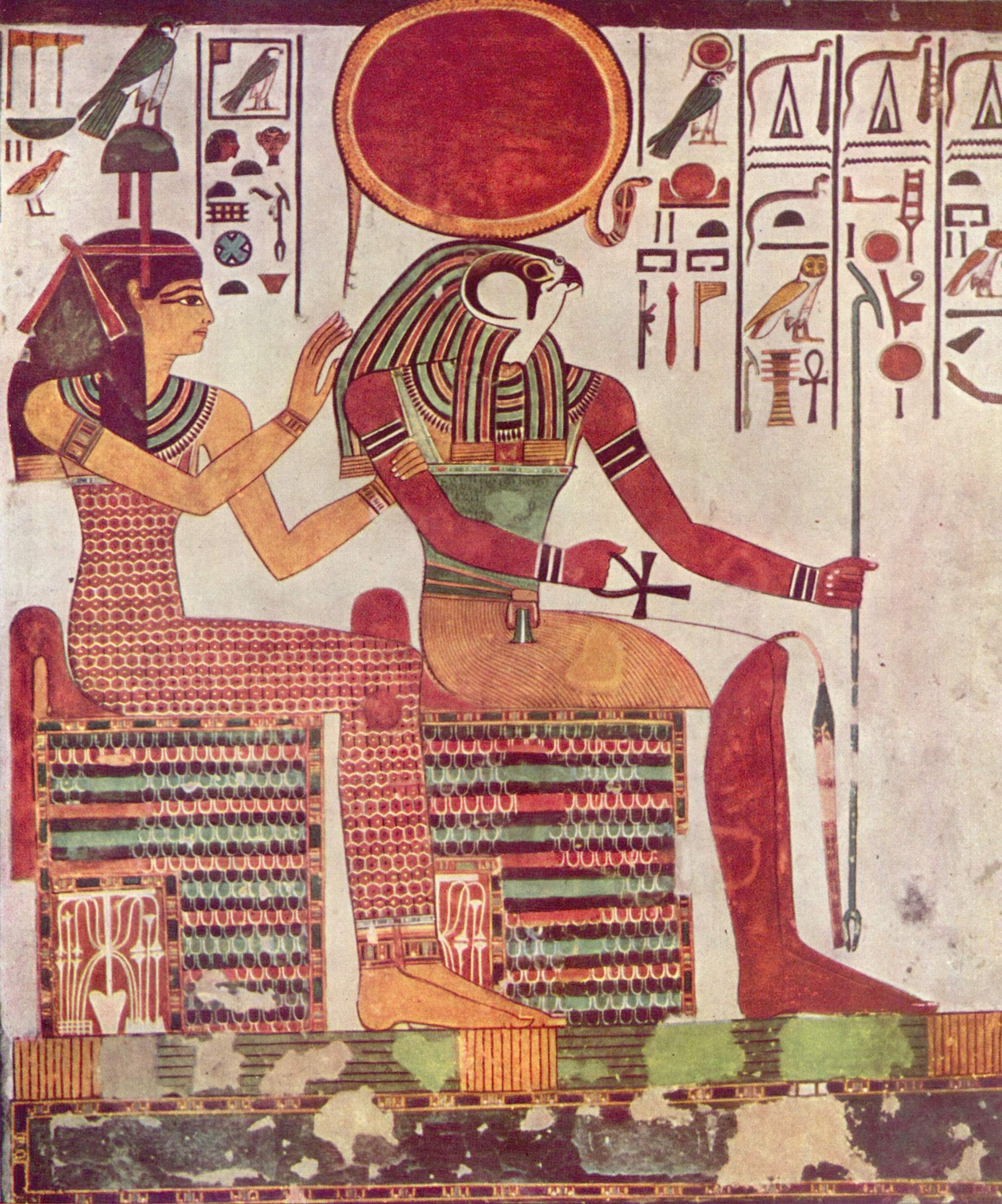
For most of recorded Egyptian history, Ra was the sun and the sun was a god. First named in the Pyramid Texts around 2400 BCE, he rose from his cult centre at Heliopolis (Iunu) to the head of the pantheon — creator of the world, sustainer of cosmic order, the deity whose name the pharaohs took as their own: every king was the “Son of Ra”. His was not an abstract worship but a daily drama written across the sky. Each night Ra sailed his barque through the underworld and battled the serpent of chaos; each dawn his reappearance proved he had won again. For more than two thousand years, Egypt organised its temples, its kingship and its sense of time around the reliability of that victory.
What no ritual could defend against was a change of empire’s religion. As Rome turned Christian in the fourth century CE, the old cults were first sidelined and then outlawed: the edict of Theodosius I in 391 ordered the pagan temples closed across the empire, and Egypt’s priesthoods, already starved of patronage, fell silent. A few remote sanctuaries held on — the temple of Isis at Philae kept the old gods until around 537 — but the great public worship of the sun was over. The sun, of course, kept rising; it simply stopped being a god anyone addressed. Ra is now a figure in museums and mythology books, the most powerful deity of one of history’s longest-lived civilizations, prayed to by no one.
Worth remembering
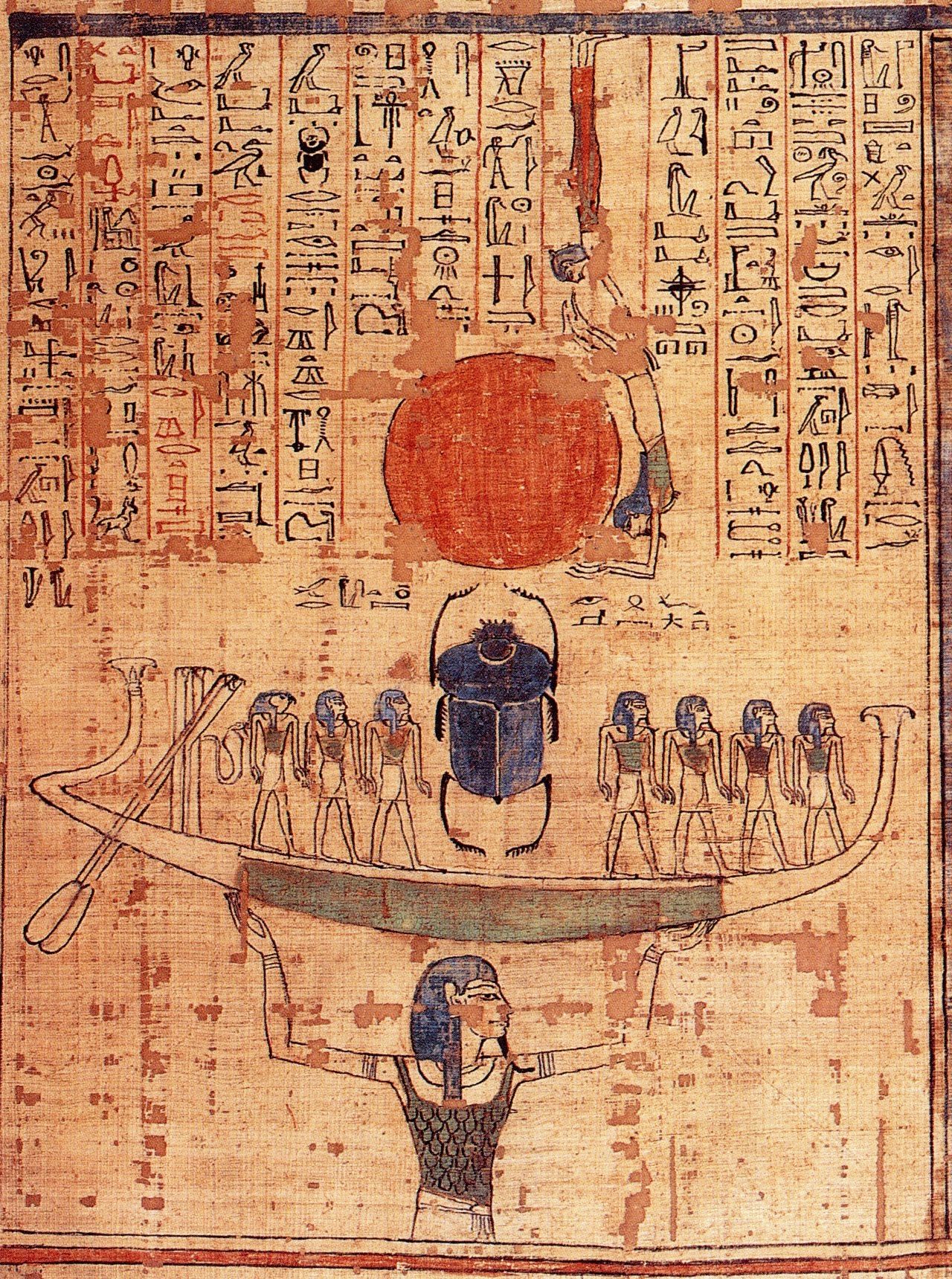
- Every night Ra sailed his solar barque through the underworld and fought the chaos-serpent Apophis; the Egyptians performed rituals to lend him strength, and treated each sunrise as proof that the god had survived the dark.
- The Fifth Dynasty kings (c. 2494–2345 BCE) built solar temples — not tombs but open-air altars aligned to the sun — a building programme so specific to Ra's cult that it has no parallel anywhere else in three thousand years of Egyptian history.
Gallery
Sources
- Ra is first named in the Pyramid Texts (c. 2400 BCE); from the Fifth Dynasty the pharaohs took the title 'Son of Ra', and his cult dominated Egyptian religion for over two thousand years. World History Encyclopedia
- The edict of Theodosius I in 391 CE banned sacrifice and ordered the closing of pagan temples throughout the Roman Empire. Encyclopaedia Romana, University of Chicago
- Ra's chief cult centre was Heliopolis (Iunu); his worship is attested from the early dynastic period and grew into an effective state religion. New World Encyclopedia
A graveyard tradition: leave a stone to show you came, and remembered.