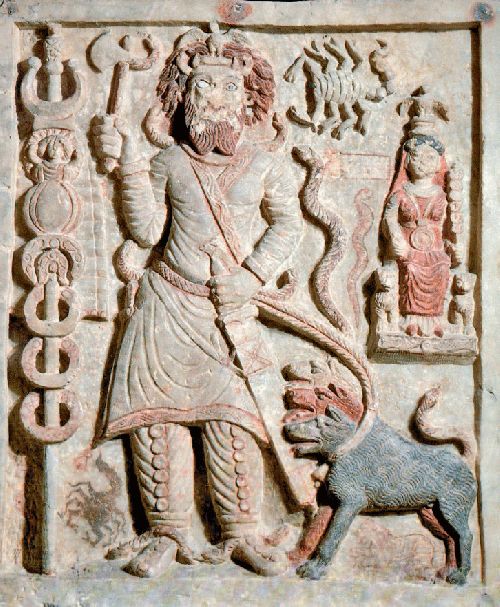
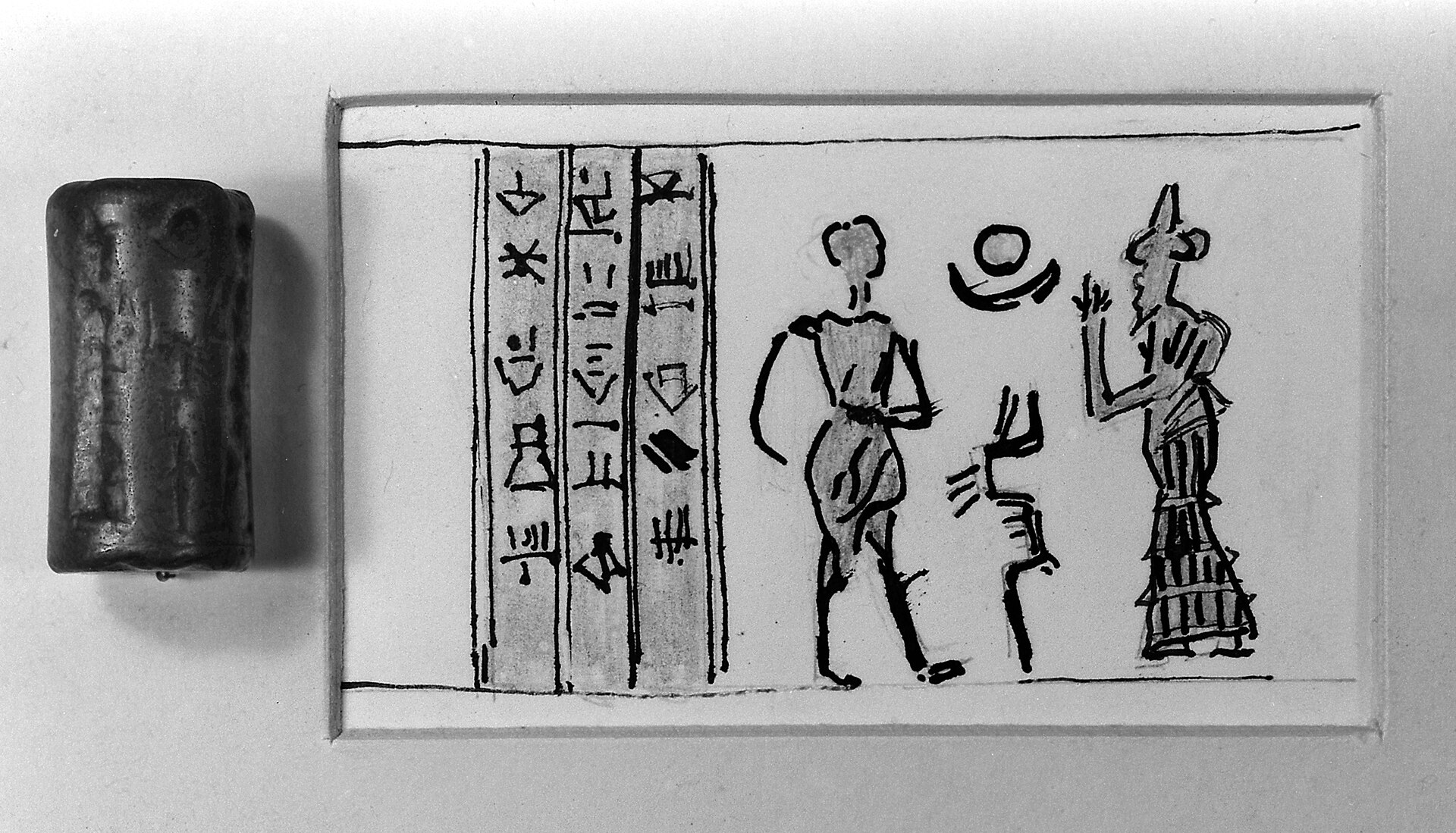
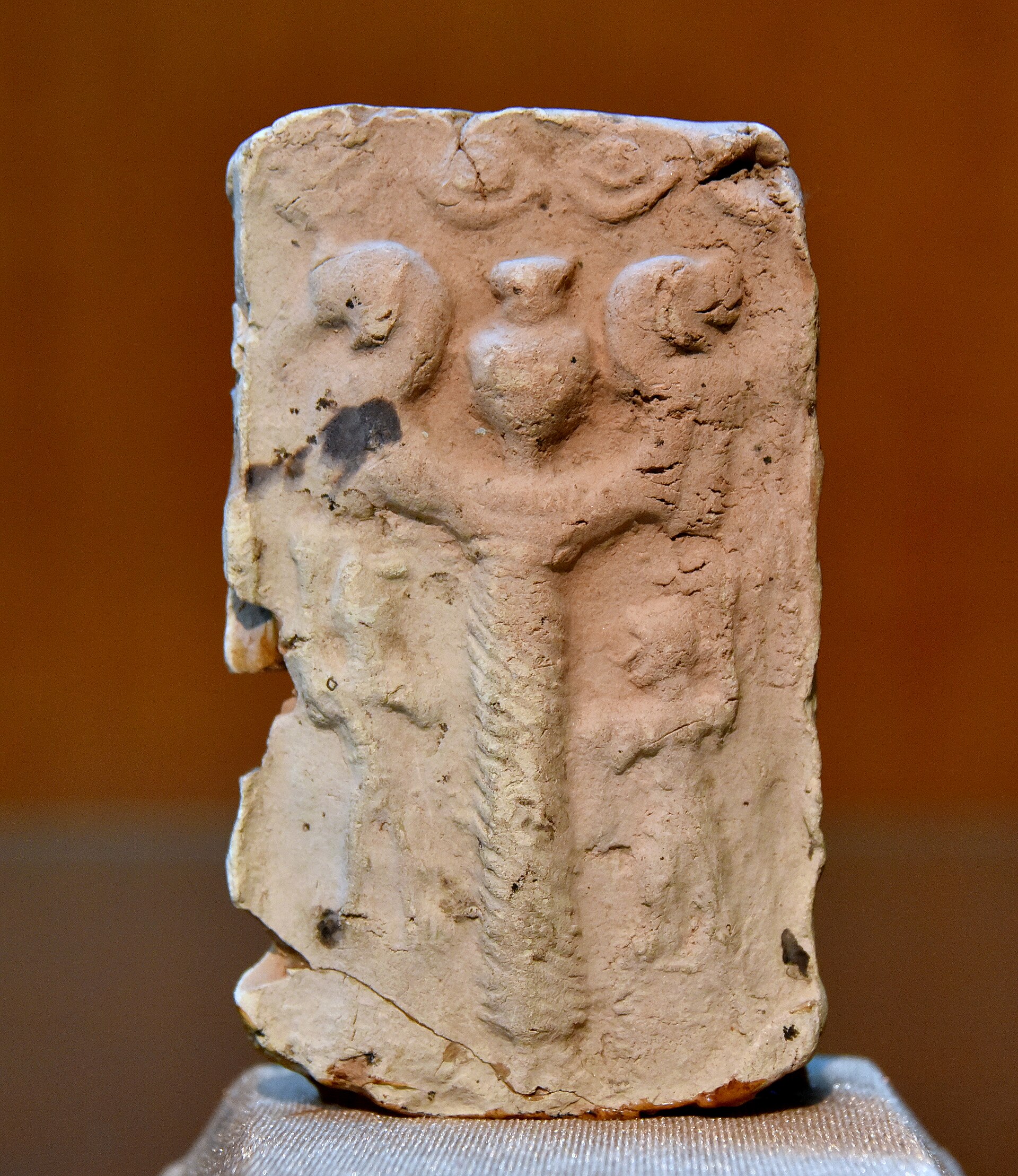
Nergal was the Mesopotamian god of war, plague and the underworld, embodying the destructive heat of the noon and midsummer sun and blamed for fever and sudden death. Known in his earliest Early Dynastic form as Meslamtaea, he commanded a host of demons including the ilū sebettu, the Seven Gods. His chief temple stood at Kutha. In his best-known myth he affronts the underworld queen Ereshkigal, then invades her realm with a band of demons before being reconciled and installed as her consort and co-ruler of the dead. Venerated across Mesopotamia for over two thousand years, his cult faded under the empires that followed and ended in the early centuries CE, leaving the plague-god forgotten.
Worth remembering
- He embodied the lethal heat of the midday and midsummer sun, and was blamed for war, fever and sudden epidemic death.
- After insulting Ereshkigal's messenger, he stormed her underworld with fourteen demons, then was reconciled to her and made co-king of the dead.
Gallery
Sources
- Nergal was a Mesopotamian god of war, plague, the underworld and the destructive heat of the sun, with his chief cult center at Kutha. Wikipedia
- In the myth of Nergal and Ereshkigal, Nergal descends to the underworld and becomes its co-ruler alongside the queen. World History Encyclopedia
- Nergal represents inflicted death — plague, pestilence, and war — and controls a variety of demons including the ilū sebettu (the Seven Gods); his earliest incarnation in the Early Dynastic period was as Meslamtaea, god of the underworld at Kutha Oracc Ancient Mesopotamian Gods and Goddesses (University of Pennsylvania)
- In the myth of Nergal and Ereshkigal, Nergal arrived at the underworld with fourteen demon escorts posted two at each gate; when he confronted Ereshkigal, she offered to share her power if he spared her, making him co-ruler of the dead World History Encyclopedia
A graveyard tradition: leave a stone to show you came, and remembered.