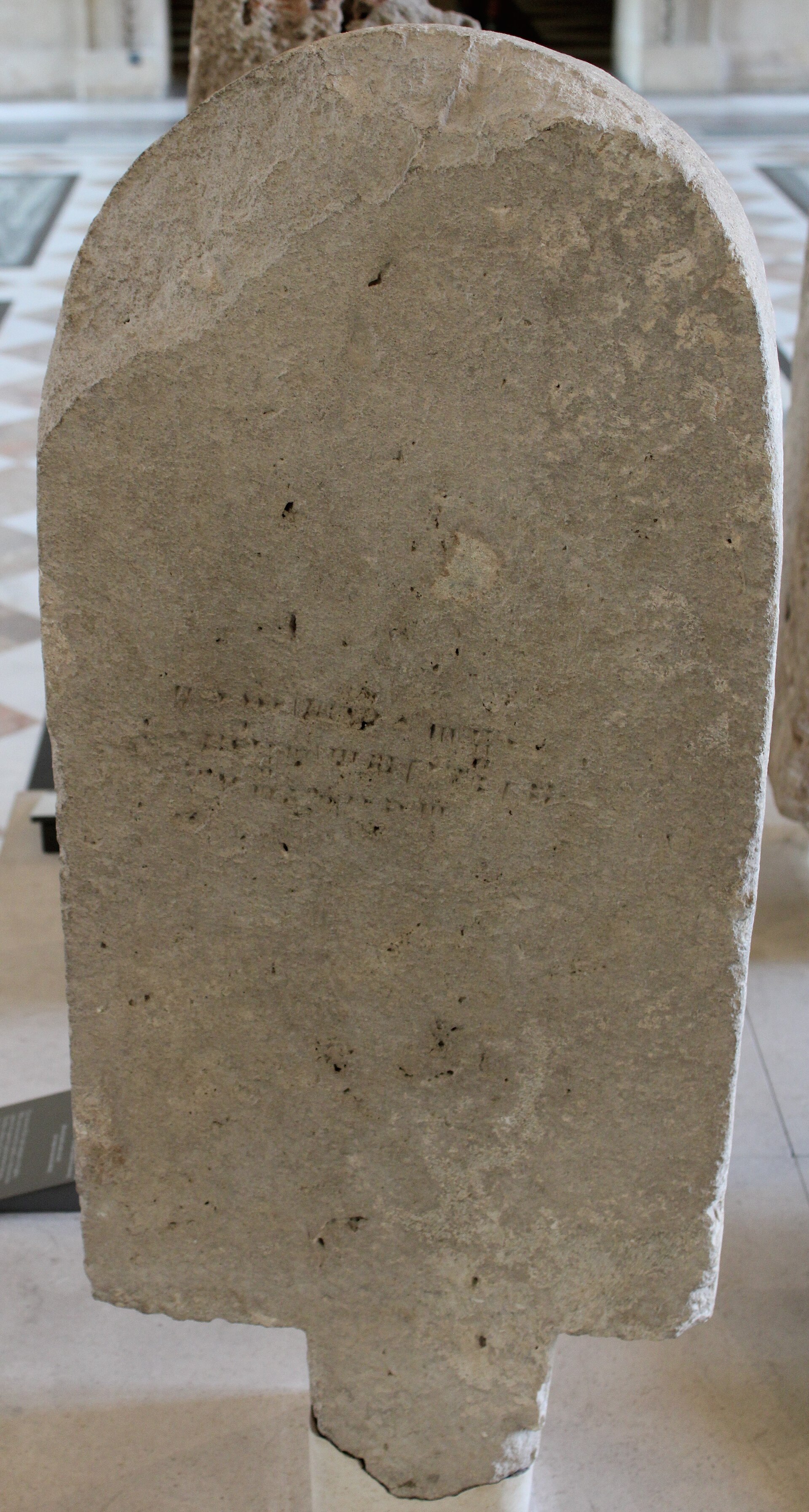
Grain-god of Mesopotamia turned Philistine patron, whose idol toppled before the Ark of the Covenant and never rose again.
Born
2500 BCE
Died
100 CE
Lived
2,600 years
Dead for
1,926 yrs
Cause of death
Forgotten
Replaced by
Judaism and Christianity
The Obituary
Dagon, also called Dagan, was an ancient Semitic god of grain and fertility, worshipped from the third millennium BCE at Ebla, Mari, and Terqa on the middle Euphrates and named in Ugaritic texts as the father of Baal. The Philistines adopted him as their national god, raising temples at Ashdod and Gaza. The Book of Samuel famously describes his idol falling shattered before the Ark of the Covenant, and Samson pulling down his temple. His Philistine and Phoenician cult faded through the Iron Age and was gone by Roman times.
Worth remembering
In the Book of Samuel his idol at Ashdod falls and breaks before the captured Ark of the Covenant.
Father of Baal in Ugaritic texts, he was an ancient grain-god whose name was linked to Hebrew dagan, 'grain.'
Gallery
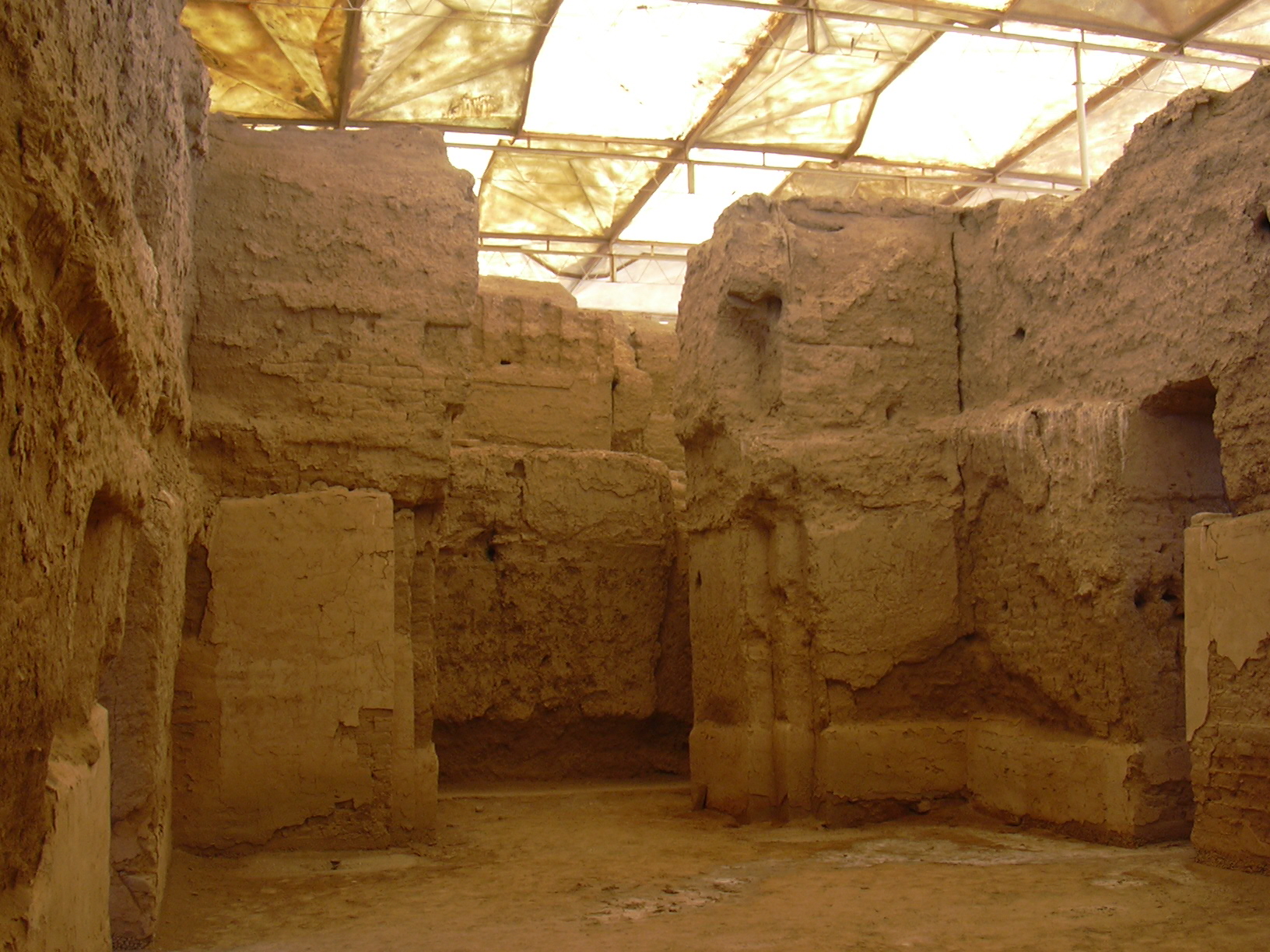
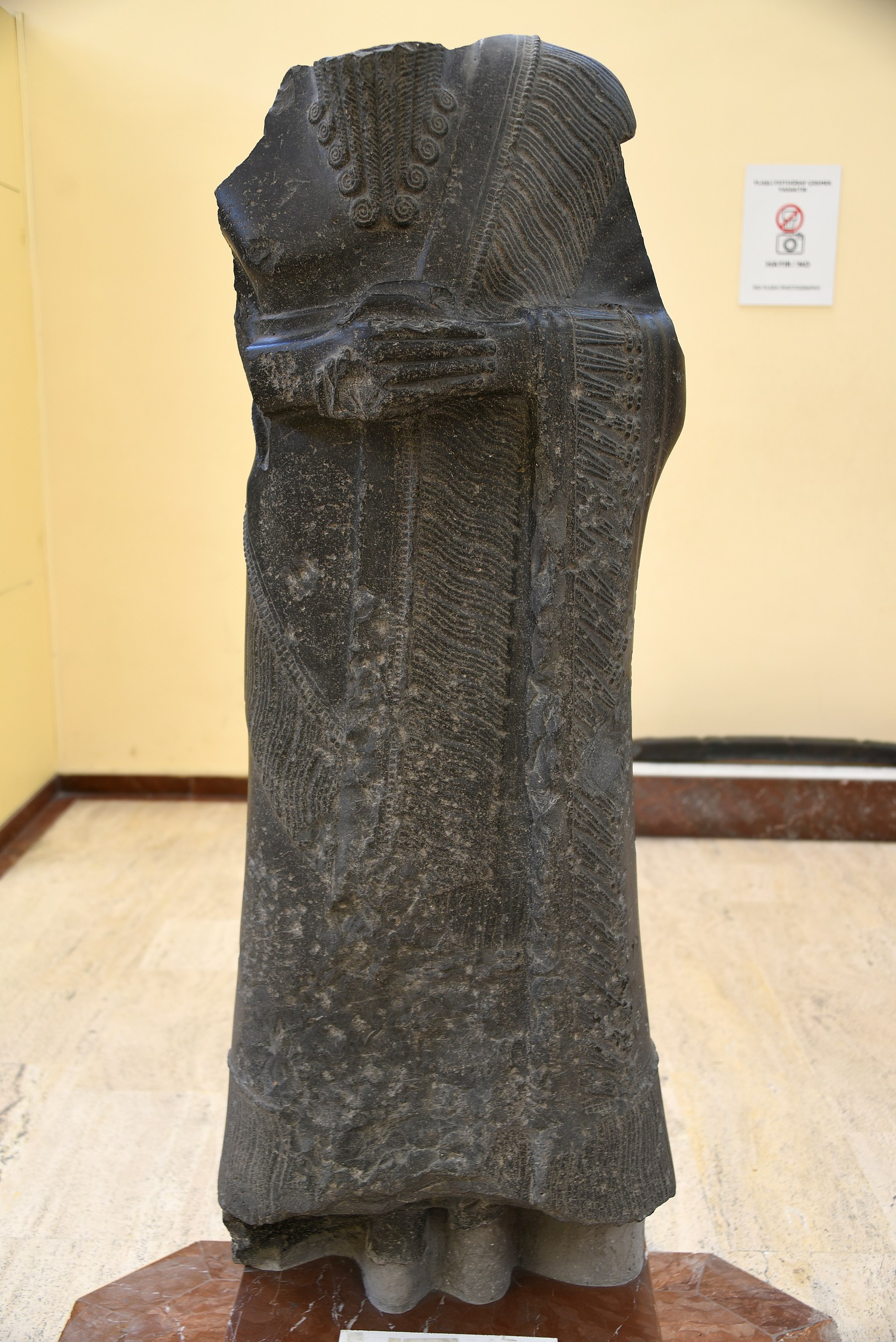
Ruins of the Palace of Zimri-Lim at Mari (Tell Hariri), Syria, cult center of the grain god Dagan, 18th c. BCEHerbert Frank · CC BY 2.0Diorite statue of Tura-Dagan, governor of Mari, named for the god Dagan, Old Babylonian periodOsama Shukir Muhammed Amin FRCP(Glasg) · CC BY-SA 4.0
Sources
Dagon was a Mesopotamian and Canaanite god associated with grain and fertility Wikipedia
Dagan was the West Semitic god of crop fertility and the legendary inventor of the plow; his name is the Hebrew and Ugaritic common noun for 'grain,' and his cult is attested from about 2500 BCE. Encyclopaedia Britannica