Osama Shukir Muhammed Amin FRCP(Glasg) · CC BY-SA 4.0
Fallen Gods
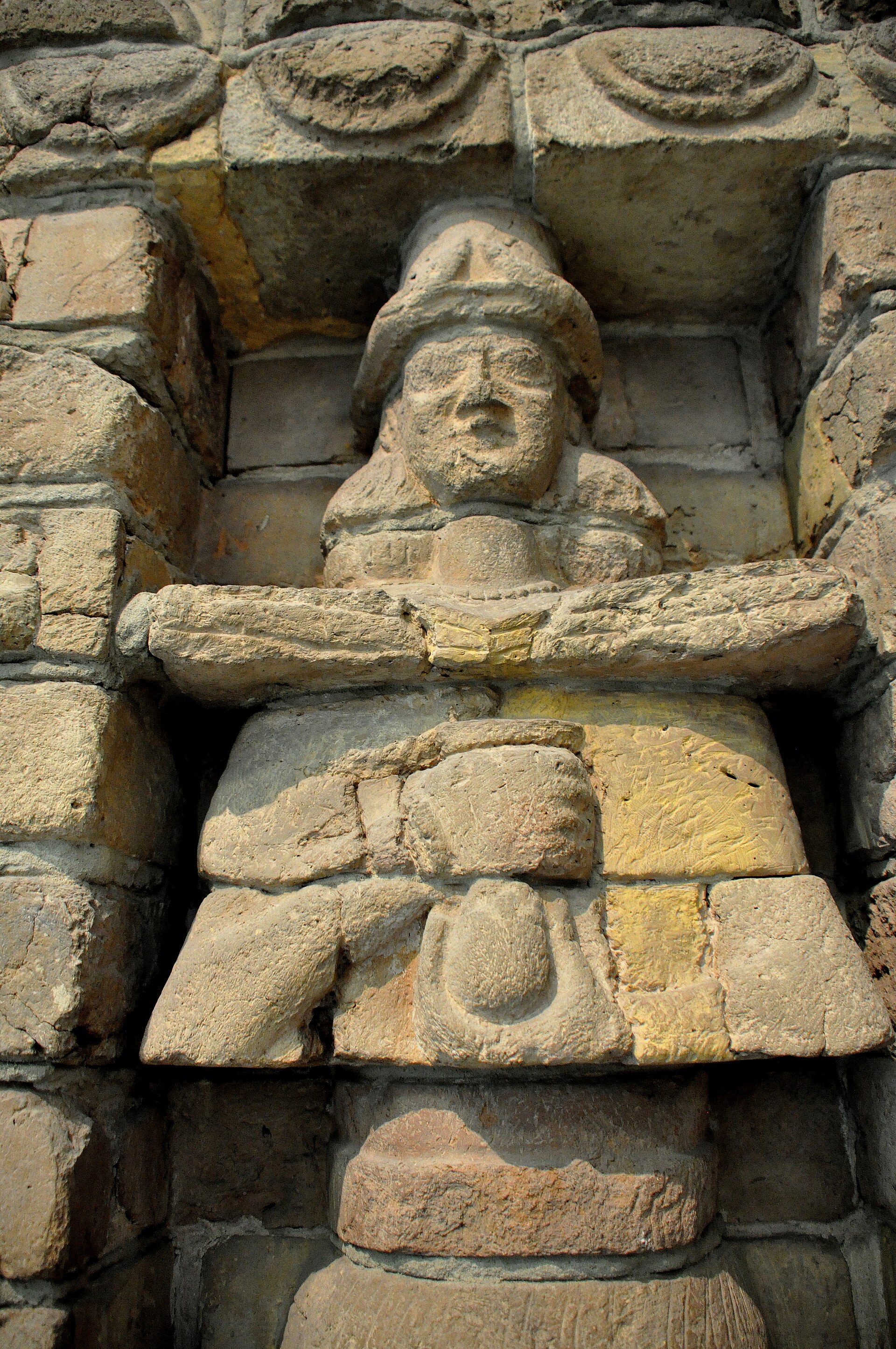
Inanna / Ishtar
Ishtar · Inana · Inana/Ishtar
3500 BCE100 CE
The Sumerian queen of love and war, identified with the planet Venus, who descended into the underworld and returned, yet found no return from the silence that swallowed her temples.
Born
3500 BCE
Died
100 CE
Lived
3,600 years
Dead for
1,926 yrs
Cause of death
Forgotten
Replaced by
Christianity and Islam in the later Near East
The Obituary
Inanna, called Ishtar by the Akkadians, was among the oldest and most powerful Mesopotamian deities, ruling over love, sexuality, war and the planet Venus. Her most famous myth sends her through seven gates into the underworld, where she dies and is revived, demanding a substitute for her freedom. Honored across Sumer, Assyria and Babylonia for over three thousand years, her temples and sacred rites slowly emptied as the region passed to Persian, Greek and later monotheistic rulers. By the early centuries CE her worship had ended and her name faded from living memory.
Worth remembering
In 'Inanna's Descent', she passes through seven gates of the underworld, surrendering a garment at each until she stands naked and is struck dead, later revived by Enki's emissaries.
She embodied the contradictory powers of sexual love and brutal warfare, and was identified with the planet Venus as both morning and evening star.
Gallery
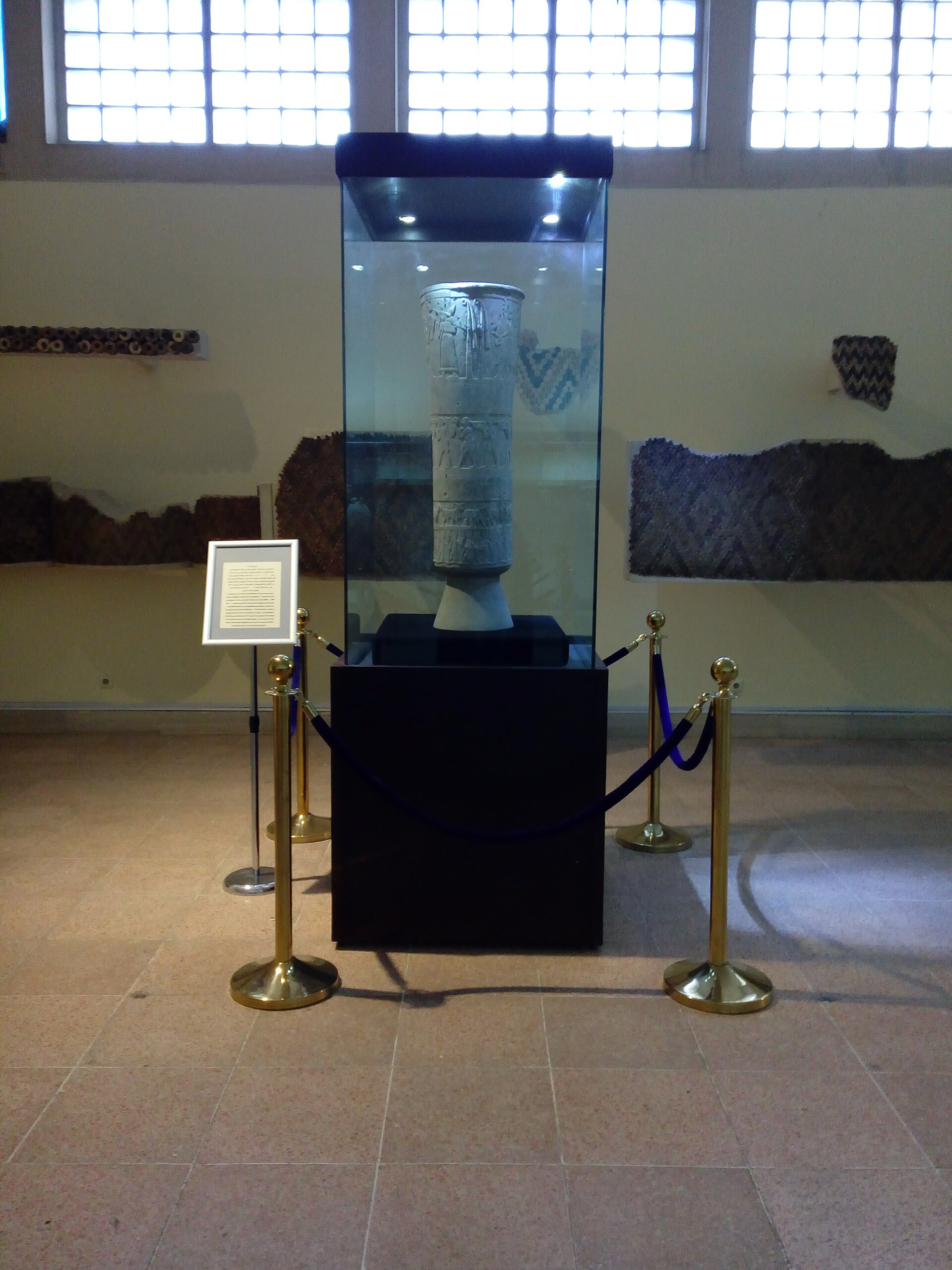
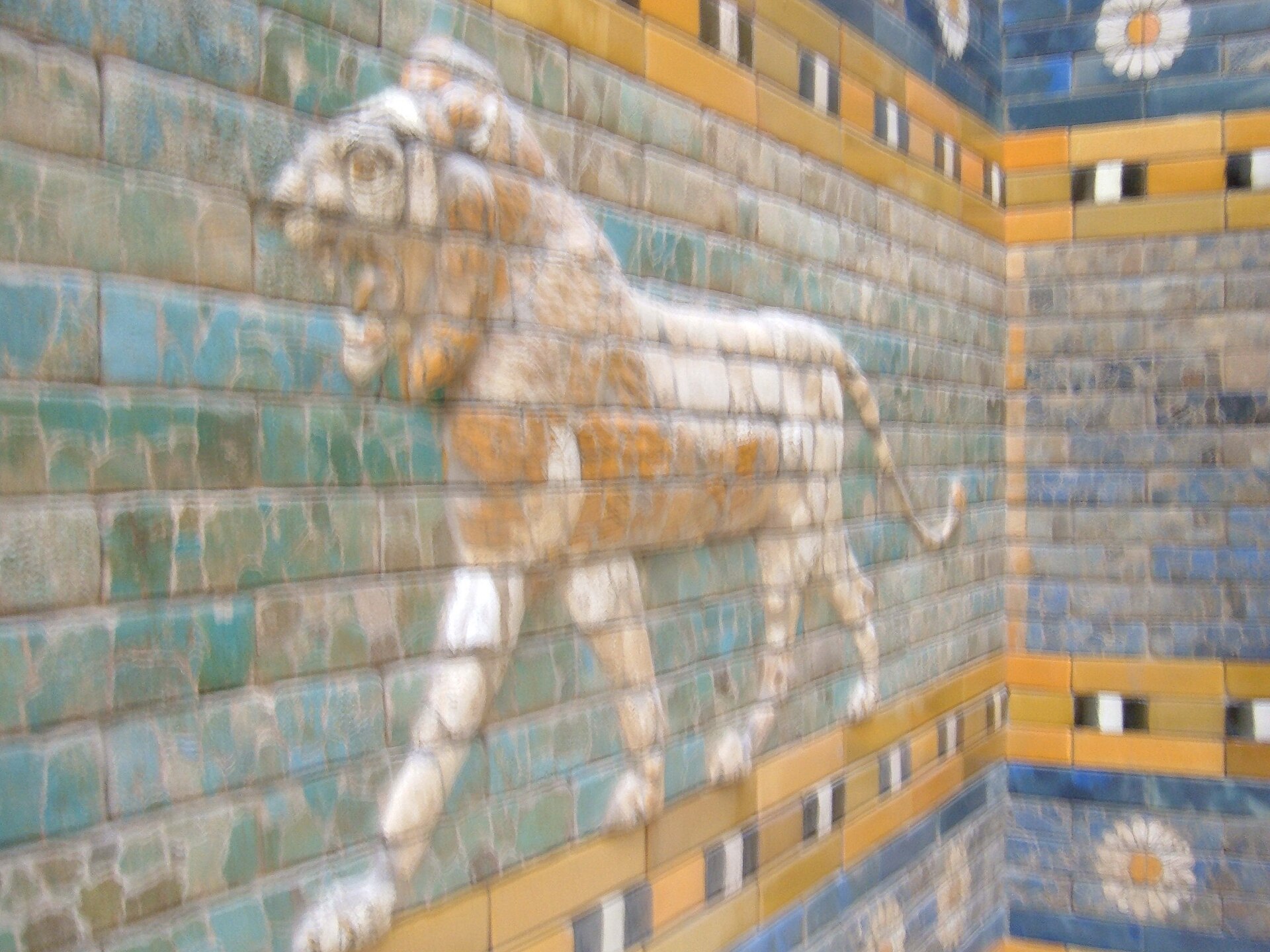
The Warka Vase from Uruk, c. 3200-3000 BC, carved with offerings to Inanna, Iraq MuseumSolider 16IQ · CC BY-SA 4.0A striding lion, sacred to Ishtar/Inanna, on the reconstructed Ishtar Gate processional way, Pergamon MuseumRichard Mortel · CC BY-SA 4.0
Sources
Inanna (Akkadian Ishtar) was the Mesopotamian goddess of love, beauty, war and political power, associated with the planet Venus. Wikipedia
The myth 'Inanna's Descent to the Underworld' has the goddess pass through seven gates, die, and be revived. World History Encyclopedia
Ishtar (Inanna) was the most important female deity of ancient Mesopotamia, goddess of love and war, whose cult extended from Sumer through Assyria and Babylonia. Encyclopaedia Britannica
A graveyard tradition: leave a stone to show you came, and remembered.
Buried nearby — by shared fate or a neighbouring lifespan.