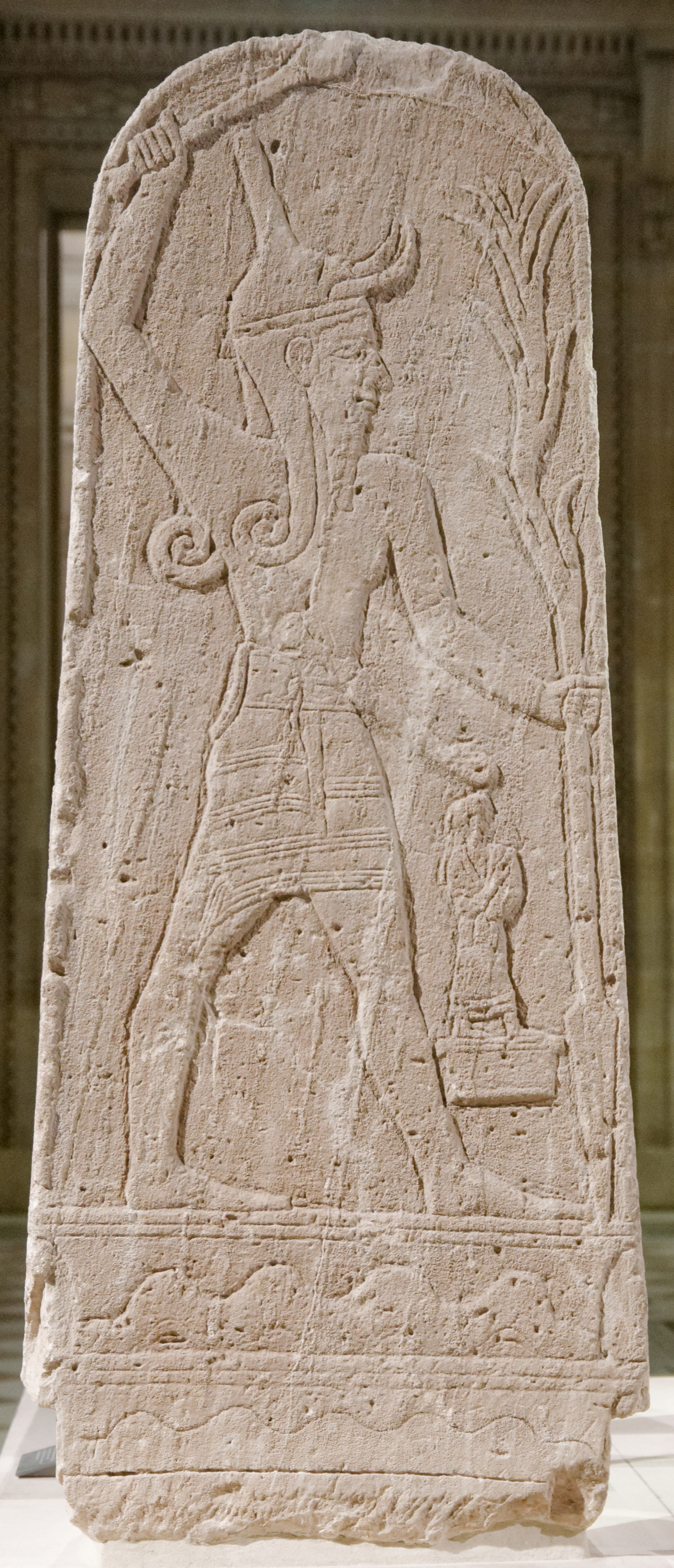
Baal Hadad, the storm-rider who slew Yam the sea and Mot the death-god, then watched his own worshippers turn to scripture's mockery.
Born
2500 BCE
Died
300 CE
Lived
2,800 years
Dead for
1,726 yrs
Cause of death
Forgotten
Replaced by
Christianity
The Obituary
Baal, meaning “lord,” was the Canaanite storm and fertility god, widely identified with the Semitic Hadad, equated with the Mesopotamian storm-god Adad (Ishkur), and worshipped from the third millennium BCE across Syria and the Levant. The Ugaritic Baal Cycle recounts his combat with Yam, the sea, his palace built on Mount Zaphon, and his descent into the jaws of Mot, the death-god, followed by his return. Denounced repeatedly in the Hebrew Bible, his cult dwindled as Aramean, Israelite, and ultimately Christian worship displaced it across the Roman-era Near East.
Worth remembering
In the Ugaritic Baal Cycle he defeats Yam, the sea, with two clubs forged by the craftsman-god Kothar-wa-Khasis.
He dies into the maw of Mot and is mourned, then returns to life, mirroring the dying-and-rising of the seasons.
Gallery
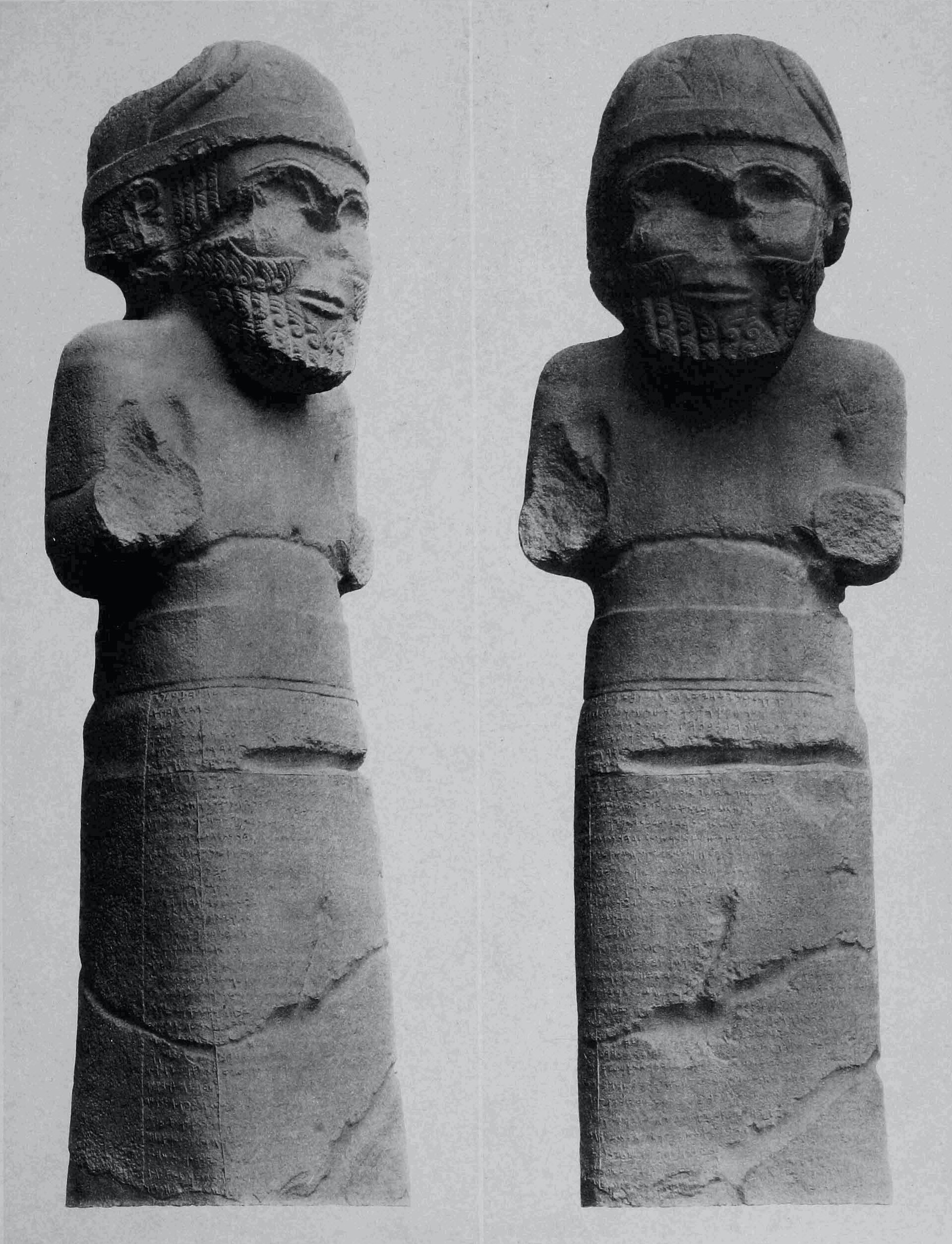
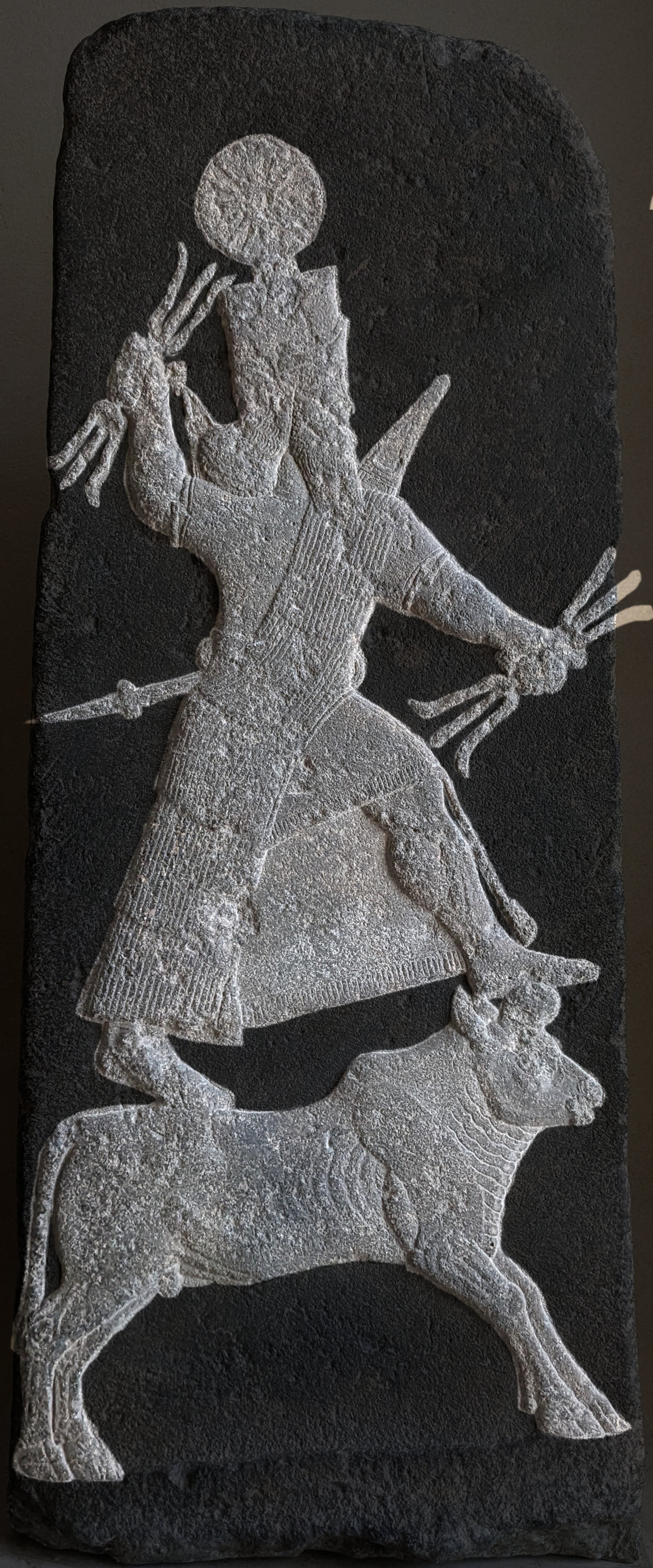
Basalt statue of the storm-god Hadad with Aramaic inscription (KAI 214), from Gercin near Zincirli, 8th c. BCEPublic domainRelief of the Mesopotamian storm-god Ishkur/Adad holding thunderbolts, c. 735 BCECC0
Sources
Baal was a Canaanite storm and fertility god identified with Hadad Wikipedia
The Baal Cycle from Ugarit narrates Baal's battles with Yam and Mot Wikipedia
Baal/Hadad was the principal storm and fertility god of Canaan; the Ugaritic Baal Cycle, composed c. 1400–1200 BCE, records his defeats of Yam and Mot and his enthronement as king of the gods. World History Encyclopedia
Hadad, the West Semitic storm god identified with Baal, was the chief 'lord' (baal) of the West Semites and his attributes were identical to those of the Assyro-Babylonian Adad. Encyclopaedia Britannica
A graveyard tradition: leave a stone to show you came, and remembered.
Buried nearby — by shared fate or a neighbouring lifespan.