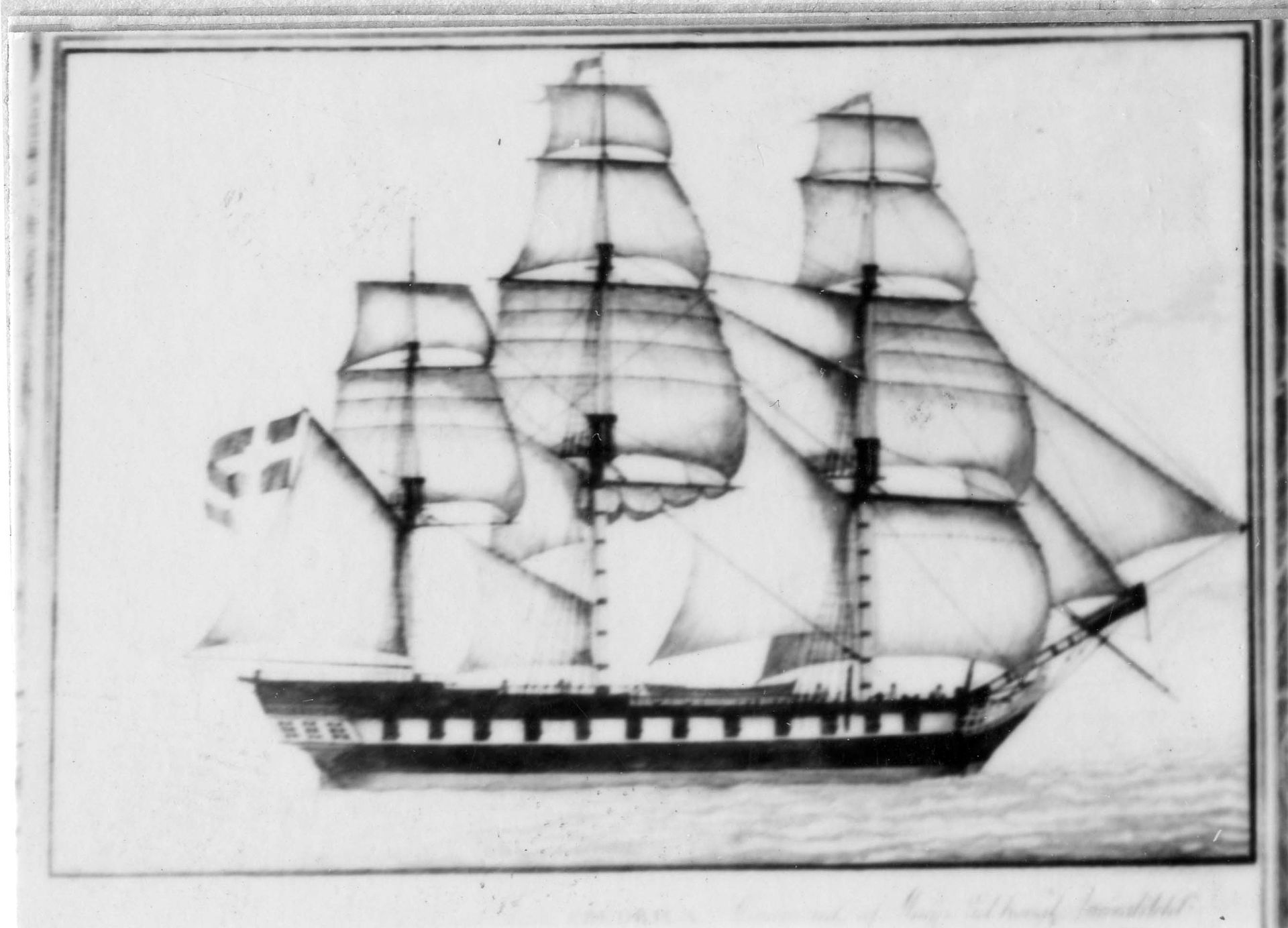
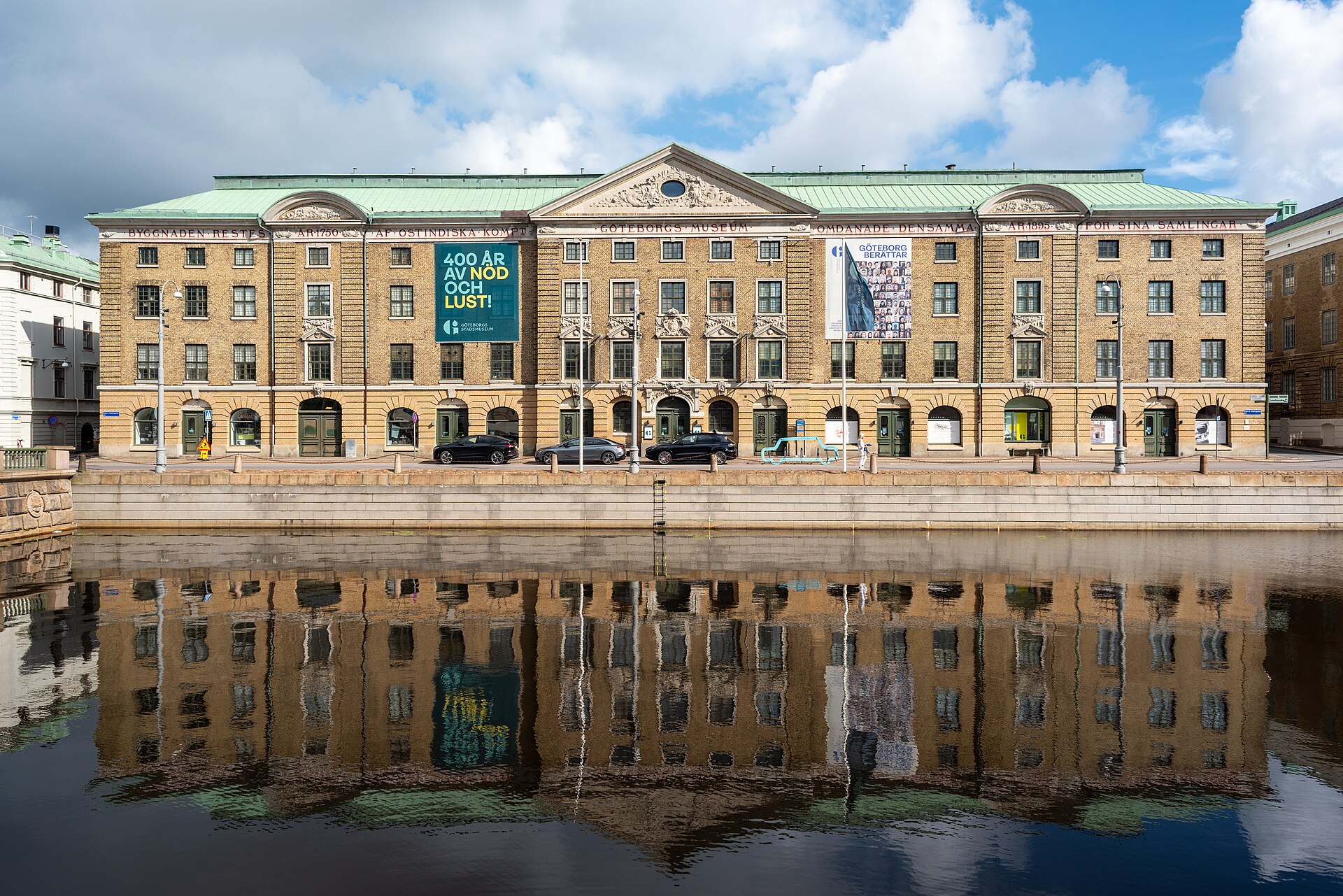
Founded in 1731 by a consortium that included the Scottish merchant Colin Campbell, the Swedish East India Company turned the country’s formal neutrality into a commercial advantage in markets the British and Dutch dominated. Sweden held no colonies in Asia; the company simply bought goods at Canton under the Chinese trading system and sold them at a profit in Europe. It was consistently lucrative, funding four successive charters and making fortunes for Gothenburg’s merchants. Its high point came in the 1760s–80s, when Britain and France were preoccupied with the American war and Sweden stepped into the European tea trade.
After 1786 those advantages evaporated as British dominance reasserted itself, and the fourth charter ran out in 1806 with no new voyages mounted. The company existed only on paper until the shareholders met on 13 December 1813 and voted to dissolve it, closing a business that had sent ships to China more than 130 times without ever garrisoning a fort or planting a flag. A separate company registered under the same name in 1993, which built the sailing replica Götheborg, is an entirely new venture born 180 years later.
Worth remembering
- Over 82 years the company made 131 voyages with 37 ships, becoming Sweden's largest trading company and turning Gothenburg into a European centre for tea, silk and porcelain.
- Its most famous ship, the Götheborg, completed a full return voyage from China in 1745 and then sank just off the fortress at the mouth of Gothenburg harbour — within sight of home — with some 700 tonnes of cargo aboard.
Gallery

Sources
- Chartered 14 June 1731, the company ran four charter periods and 131 voyages and was dissolved by shareholders on 13 December 1813; a separate company registered in 1993 is a new legal entity, not a continuation Wikipedia
- The Swedish East India Company made 131 expeditions with 37 ships, peaked in profits in its third charter period, and folded in 1813; its ship Götheborg wrecked off Gothenburg in 1745 University of Minnesota Archives
A graveyard tradition: leave a stone to show you came, and remembered.