A South Bend wagon-maker that became a carmaker for a century, then — even after merging with Packard — couldn't outrun Detroit's Big Three.
Born
1852 CE
Died
1967 CE
Lived
115 years
Dead for
59 yrs
At its peak
Major independent U.S. automaker; ~$1 billion in 1950s sales
Cause of death
Replaced
The Obituary
Studebaker started in 1852 as a South Bend, Indiana blacksmith and wagon shop, supplied wagons to the Union Army, and made the rare leap into automobiles in 1902. For decades it was the largest of America’s independent carmakers, producing design icons like the Loewy-styled Starliner and Avanti. But it could not match the scale and pricing of Detroit’s Big Three. A 1954 merger with the equally weak Packard failed to fix the economics. Studebaker closed its South Bend plant in 1963, shifted final production to Canada, and ended carmaking in 1966 before merging away.
Worth remembering
It began making horse-drawn wagons in 1852 and built cars from 1902, one of the few firms to survive that transition.
Its 1953 Starliner and 1963 Avanti, styled by Raymond Loewy, became design icons even as the company faded.
Gallery
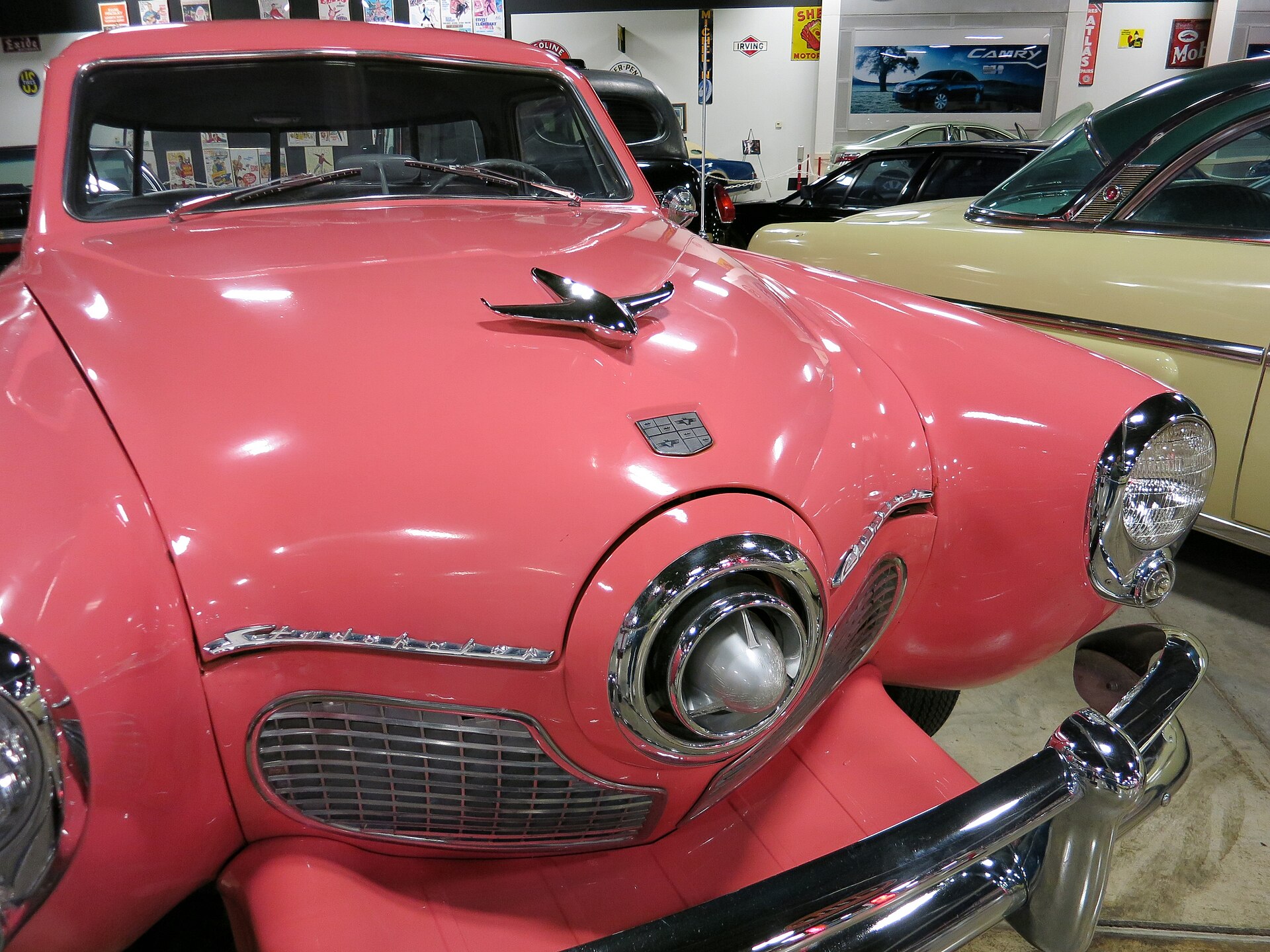
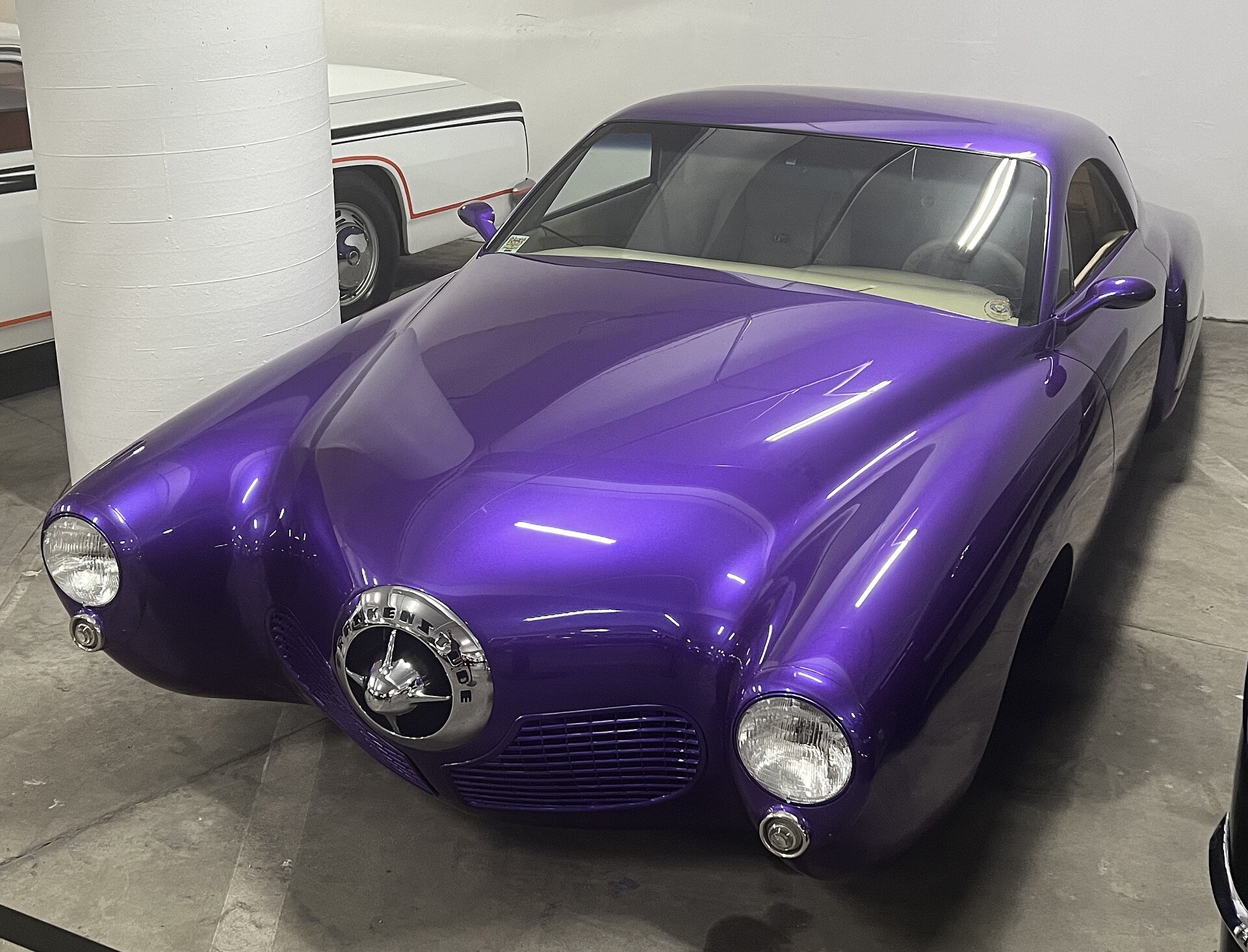
1951 Studebaker Champion Starlight Coupe, three-quarter front viewCapCase · CC BY 2.01950 Studebaker on display at the Petersen Automotive MuseumTaurusEmerald · CC BY-SA 4.0
Sources
Studebaker, founded in 1852 as a wagon maker, ended U.S. automobile production in 1963 and stopped building cars entirely in 1966 Wikipedia
Studebaker's 1954 merger with Packard failed to save it; its South Bend plant closed in 1963 Wikipedia
Studebaker began as a South Bend wagon shop in 1852, grew into the world's largest maker of horse-drawn vehicles and then a leading automaker, before merging with Packard in 1954 and ending automobile production in 1966. Encyclopaedia Britannica
A graveyard tradition: leave a stone to show you came, and remembered.
Buried nearby — by shared fate or a neighbouring lifespan.