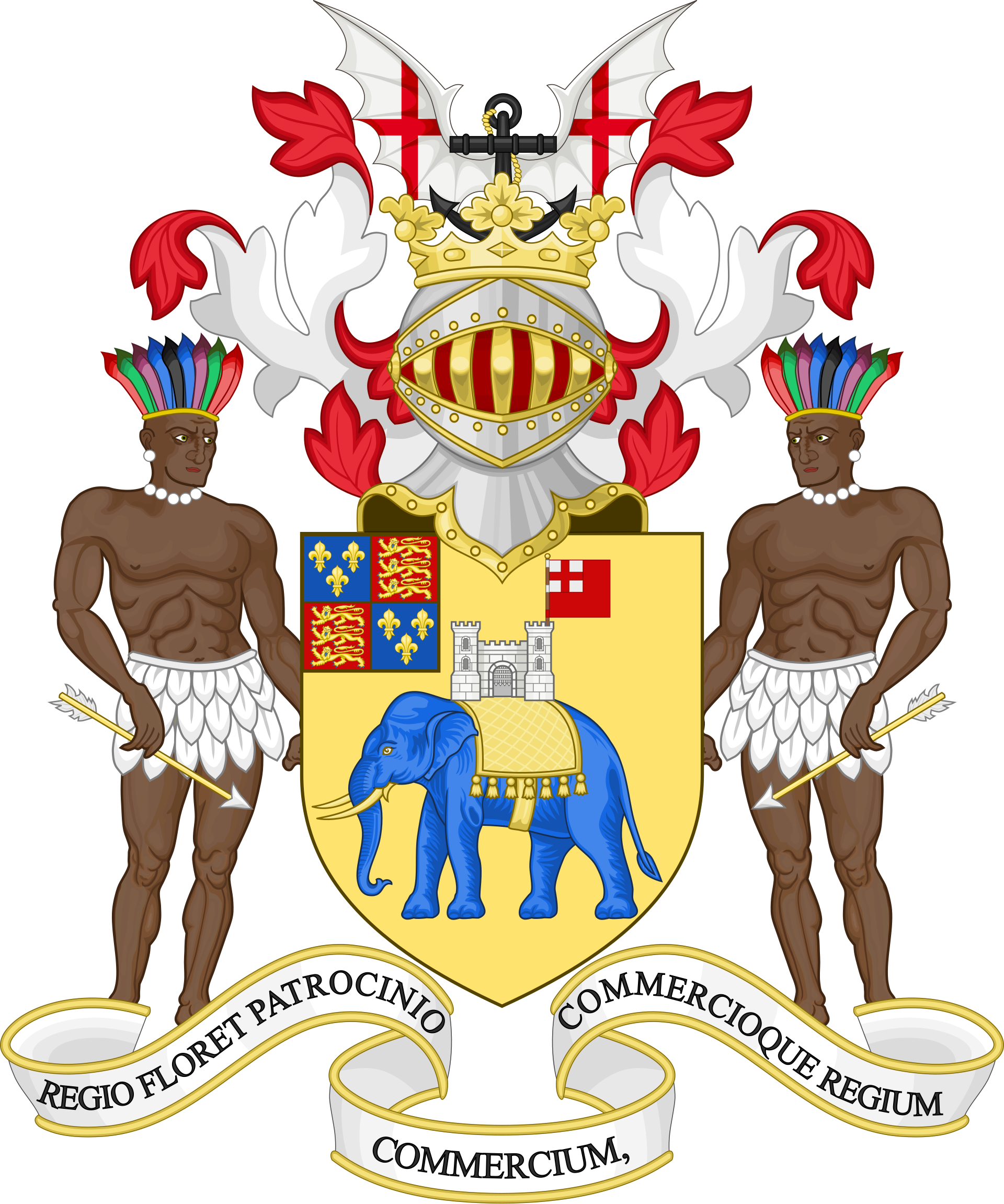
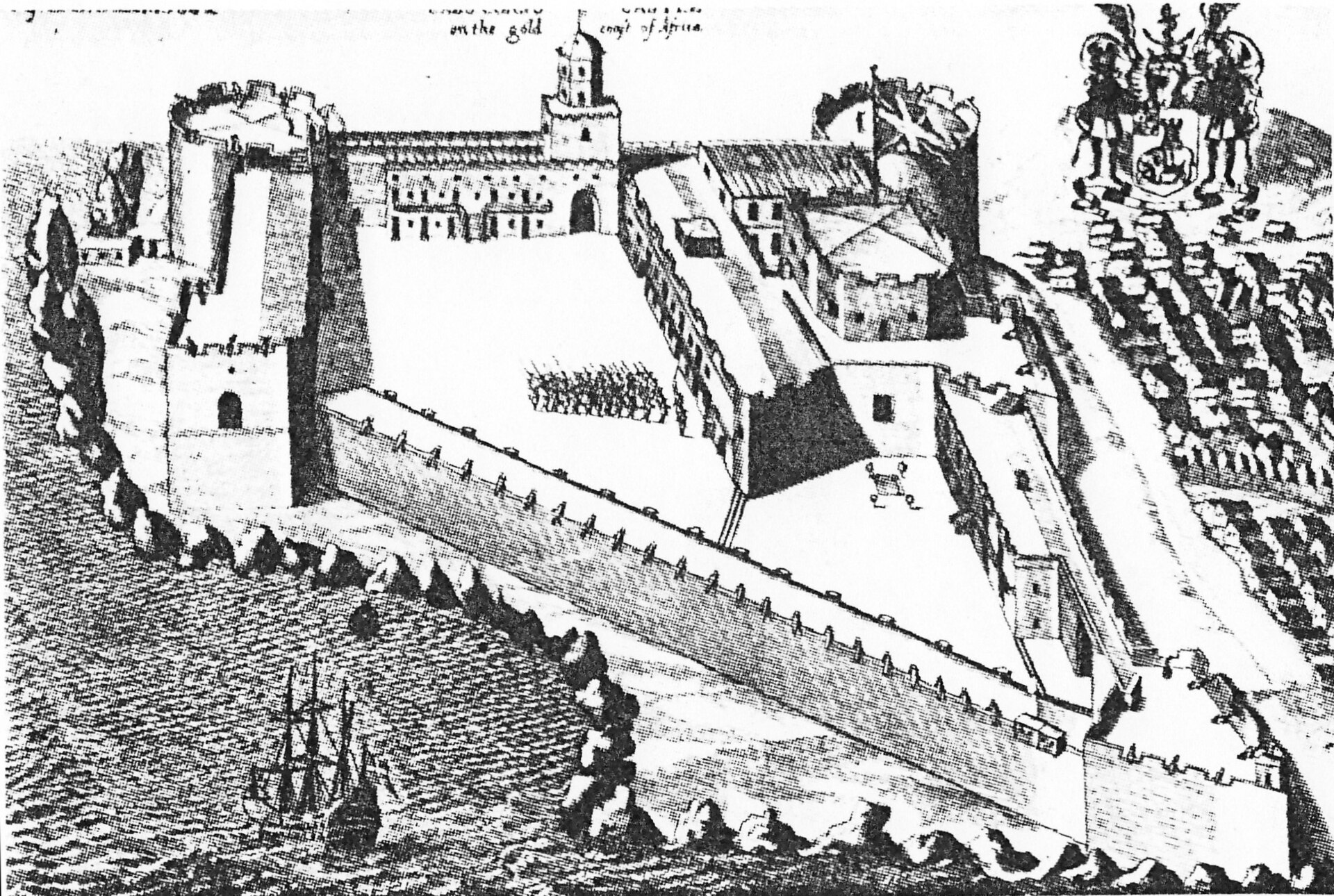
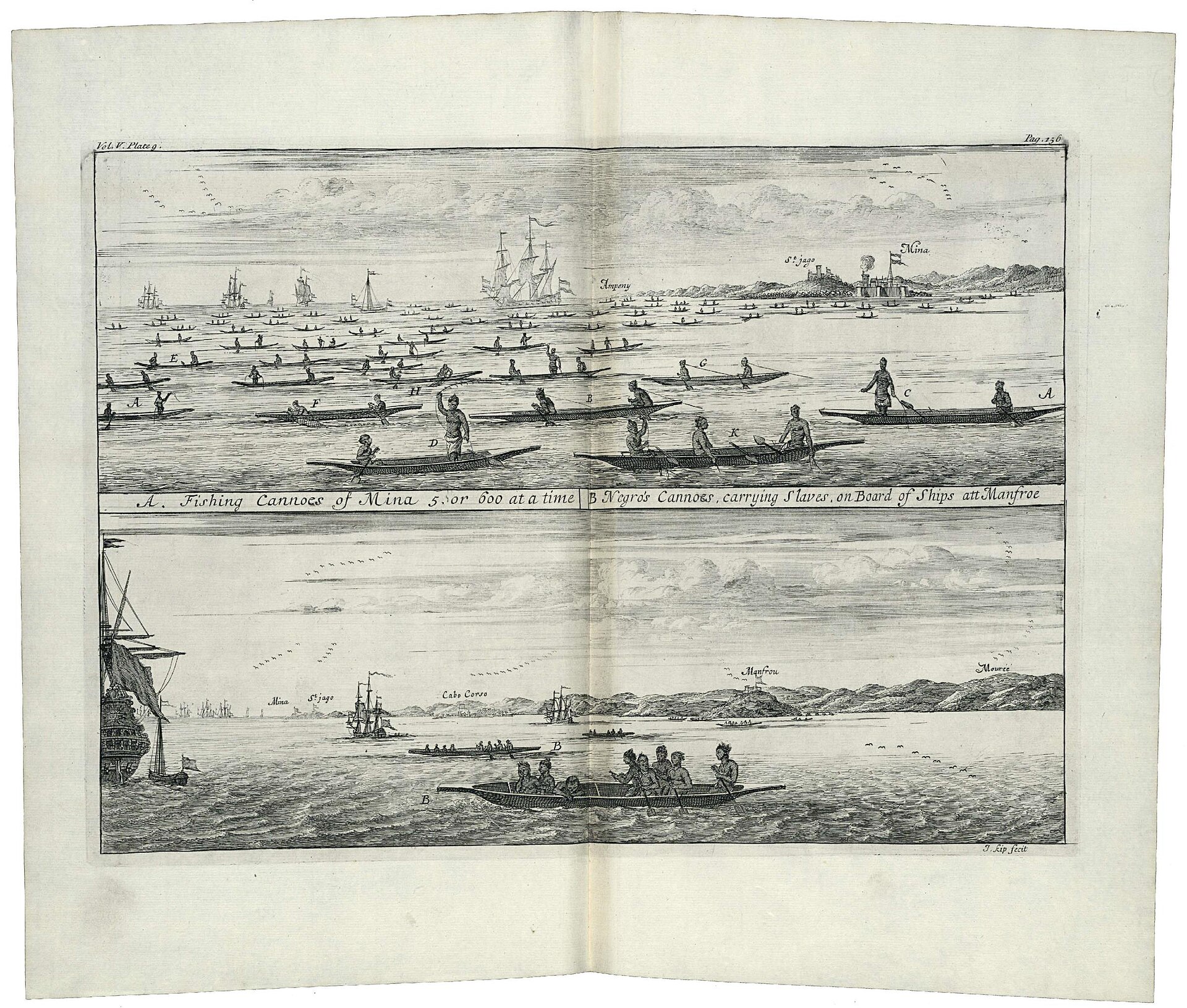
The Royal African Company was founded under the patronage of the Duke of York — the future James II — and from 1672 held a Crown monopoly on English trade with the whole West African coast, run from its principal fort, Cape Coast Castle, on the Gold Coast of present-day Ghana. Through the 1680s it was Britain’s primary engine of the Atlantic slave trade, transporting, branding and selling tens of thousands of enslaved Africans; surviving records count roughly 186,748 people carried across 652 voyages between 1672 and 1731, with thousands dying in transit. Its dominance was a deliberate act of state, and it remains the single institution most responsible for the early English slave trade.
Its commercial death was slow. In 1697–98 Parliament stripped away the monopoly under pressure from independent “separate traders,” and the company’s share of the trade collapsed; it was effectively insolvent by 1708. It limped on as a hollow operation, abandoning slave trading in 1731 for gold and ivory, kept alive mainly to maintain the coastal forts the state was unwilling to fund directly. The African Company Act of 1750 finally wound it up, and in 1752 its forts and assets passed to a new, open-membership body, the African Company of Merchants — a separate institution with no shares and no legal descent from the company it replaced.
Worth remembering
- Holding a Crown monopoly on English trade with West Africa, the company transported more enslaved Africans across the Atlantic than any other single institution in the history of the trade, making Jamaica one of the busiest slave markets in the Americas.
- After Parliament opened the trade to private merchants in 1698, the company's share collapsed within a decade, and it survived another half-century only by shifting to gold and ivory to justify holding its West African forts.
Gallery
Sources
- The Royal African Company transported some 186,748 enslaved people across 652 voyages between 1672 and 1731; its monopoly was rescinded in 1697–98 and the company was dissolved in 1752, its assets passing to the African Company of Merchants Wikipedia
- The Royal African Company shipped more enslaved Africans to the Americas than any other single institution; its founding made Jamaica one of the world's busiest slave markets Encyclopaedia Britannica
A graveyard tradition: leave a stone to show you came, and remembered.