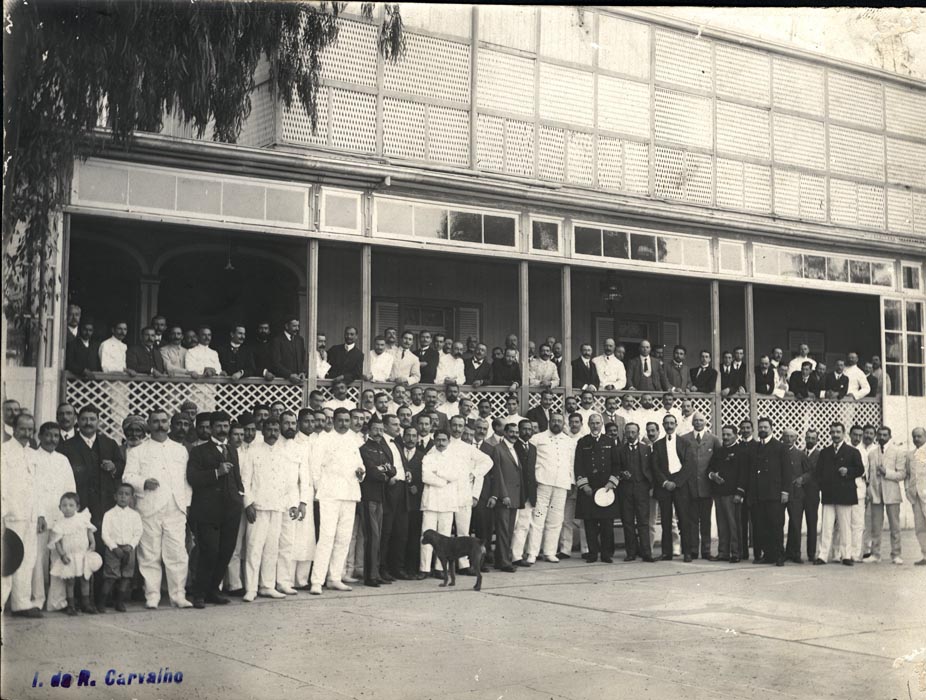
The Mozambique Company belonged to a Victorian-era idea that a private firm could be handed a country to run. In 1891 Portugal chartered it with sovereign powers over Manica and Sofala — a territory the size of a European nation — for fifty years. The company governed it as a business: it taxed, policed, judged, and administered, issued its own stamps and banknotes, built the railway from the port of Beira up to British-ruled Rhodesia, and paid its dividends out of the territory’s revenue. Its shareholders were largely British and French; Portugal collected a royalty and otherwise let foreign capital govern its colony, with the labour supplied through the coerced chibalo system.
What makes it an unusual death in this wing is how undramatic it was. The company did not collapse, get nationalised, or lose a war. Its charter simply ran out. The fifty-year lease expired in 1942, and António Salazar’s government — bent on reasserting direct Portuguese control over the foreign concessions inside its empire — declined to renew it. On the appointed date the territory of Manica and Sofala reverted to the colonial administration, the company’s flag came down over Beira, and its sovereign existence ended on schedule, by the calendar. A residual commercial company lingered for a while, but the thing that had been a private state was finished the moment the lease was up.
Worth remembering
- It governed around 155,000 square kilometres of central Mozambique as a quasi-state: it collected taxes, ran the courts and post offices, kept its own police, issued roughly 280 different postage stamps, and printed banknotes through its Banco da Beira.
- Most of the capital was British and French, not Portuguese; Lisbon took a cut of the profits and a slice of the shares, and let foreign investors run the territory — extracting revenue largely through the chibalo system of forced African labour.
Gallery
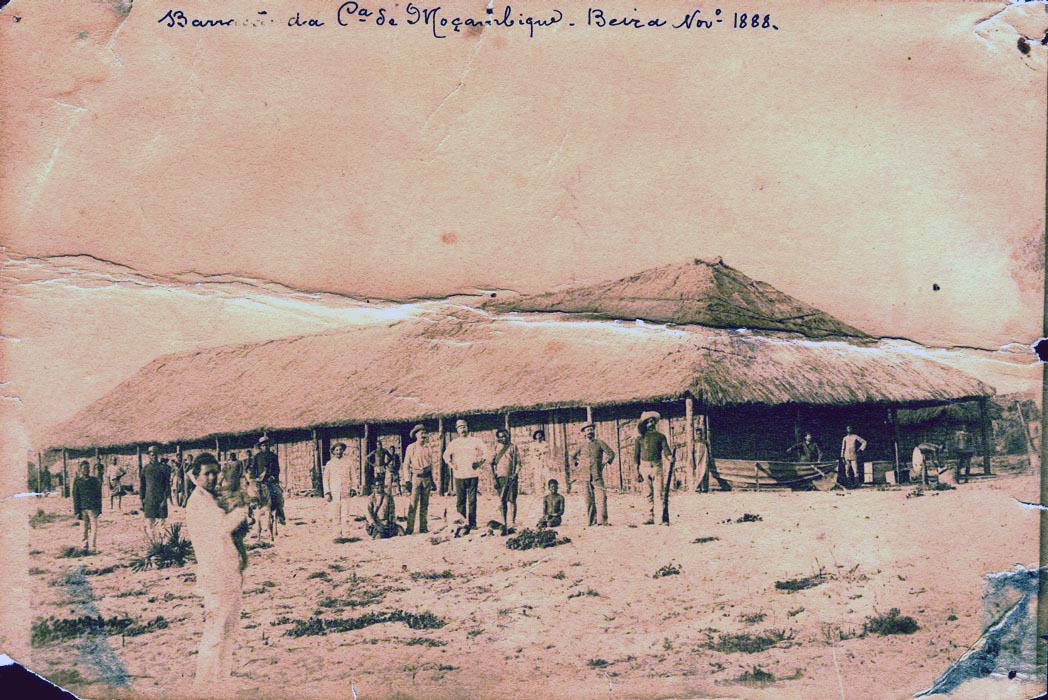
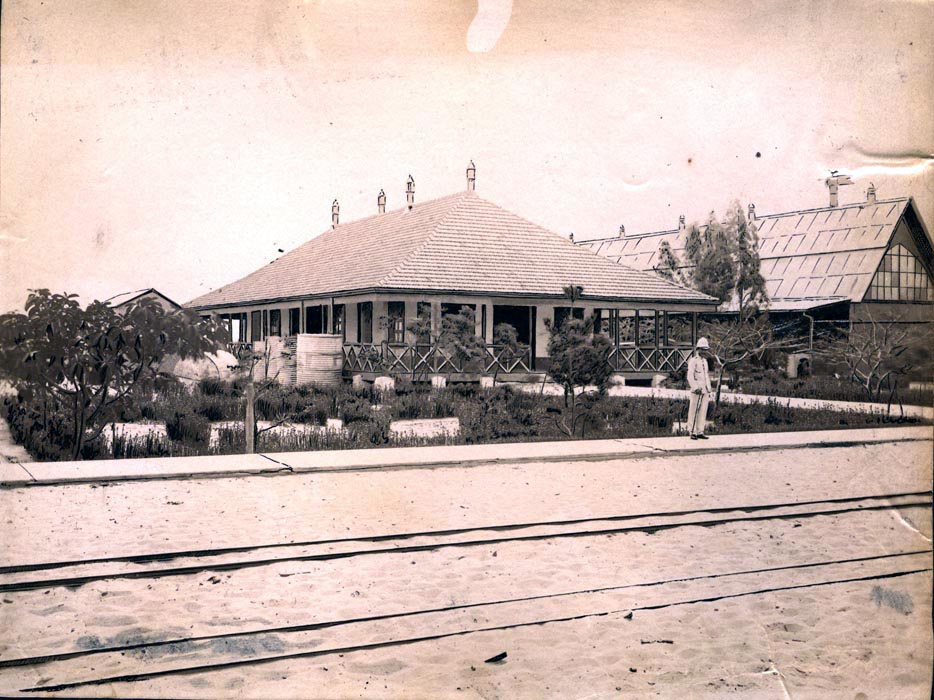
Sources
- Beira was founded in 1891 as the Mozambique Company's headquarters; the city's administration passed from the trading company to the Portuguese government in 1942 Encyclopaedia Britannica
- The Mozambique Company held a 50-year charter (1891–1942) with sovereign powers over ~155,000 sq km, issued its own stamps and banknotes, and built the Beira–Salisbury railway; the charter was not renewed and the territory returned to Portugal Dead Country Stamps and Banknotes
A graveyard tradition: leave a stone to show you came, and remembered.