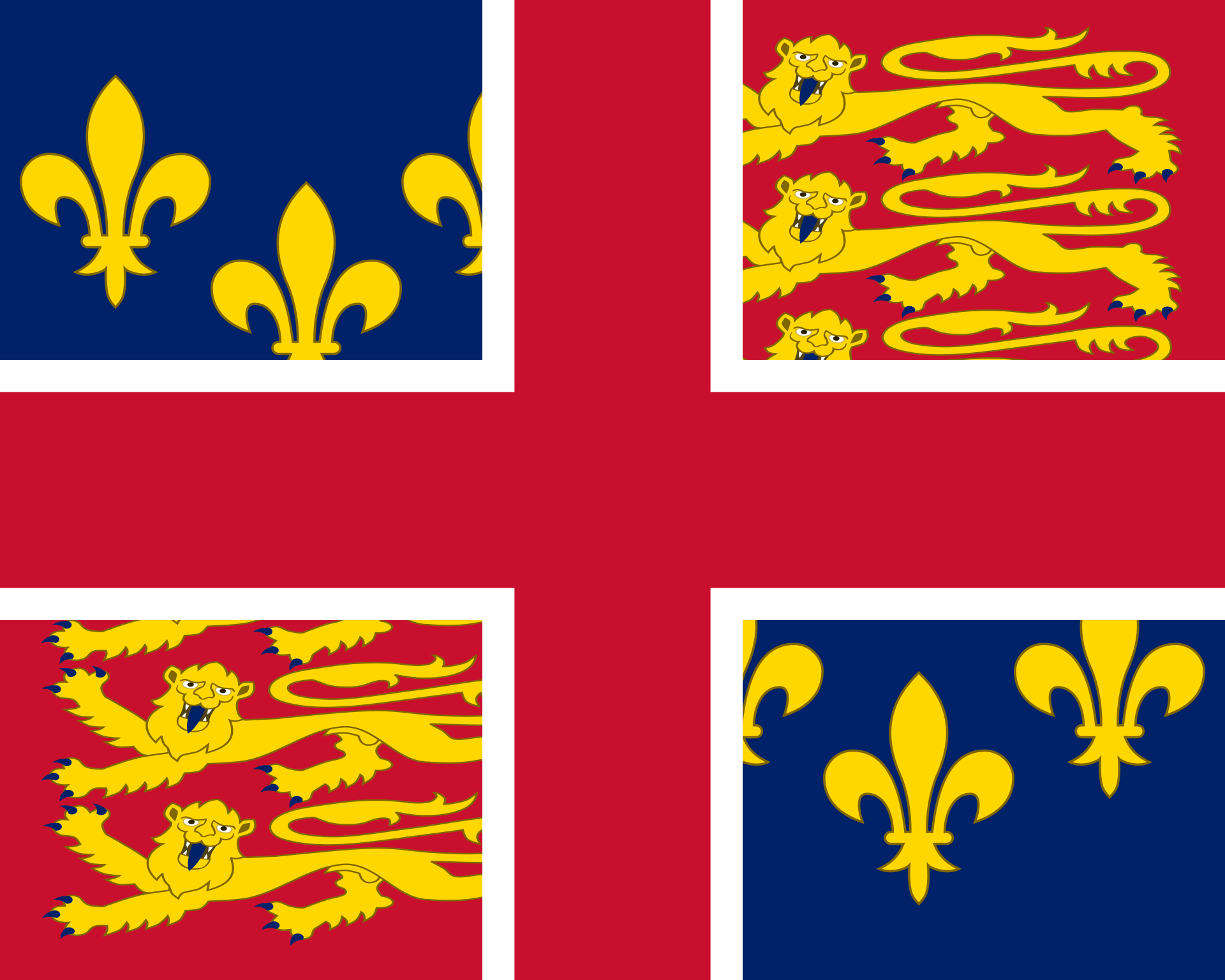
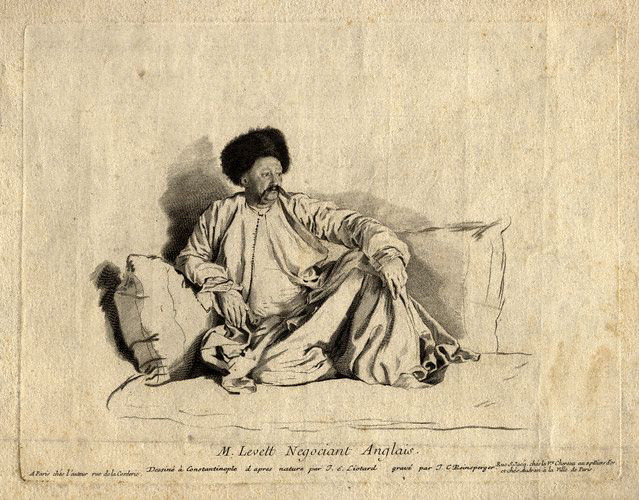
The Levant Company — chartered by Elizabeth I in 1592 from the merged Venice and Turkey Companies — was unusual among the great chartered companies in wanting no territory. It built factories — trading houses — inside Ottoman commercial cities rather than seizing land, and its members, the Turkey Merchants, lived and traded under Ottoman law. For its first half-century the trade was spectacularly profitable, and the company’s reach was such that it, not the Crown, appointed and paid Britain’s ambassadors and consuls across the Ottoman world.
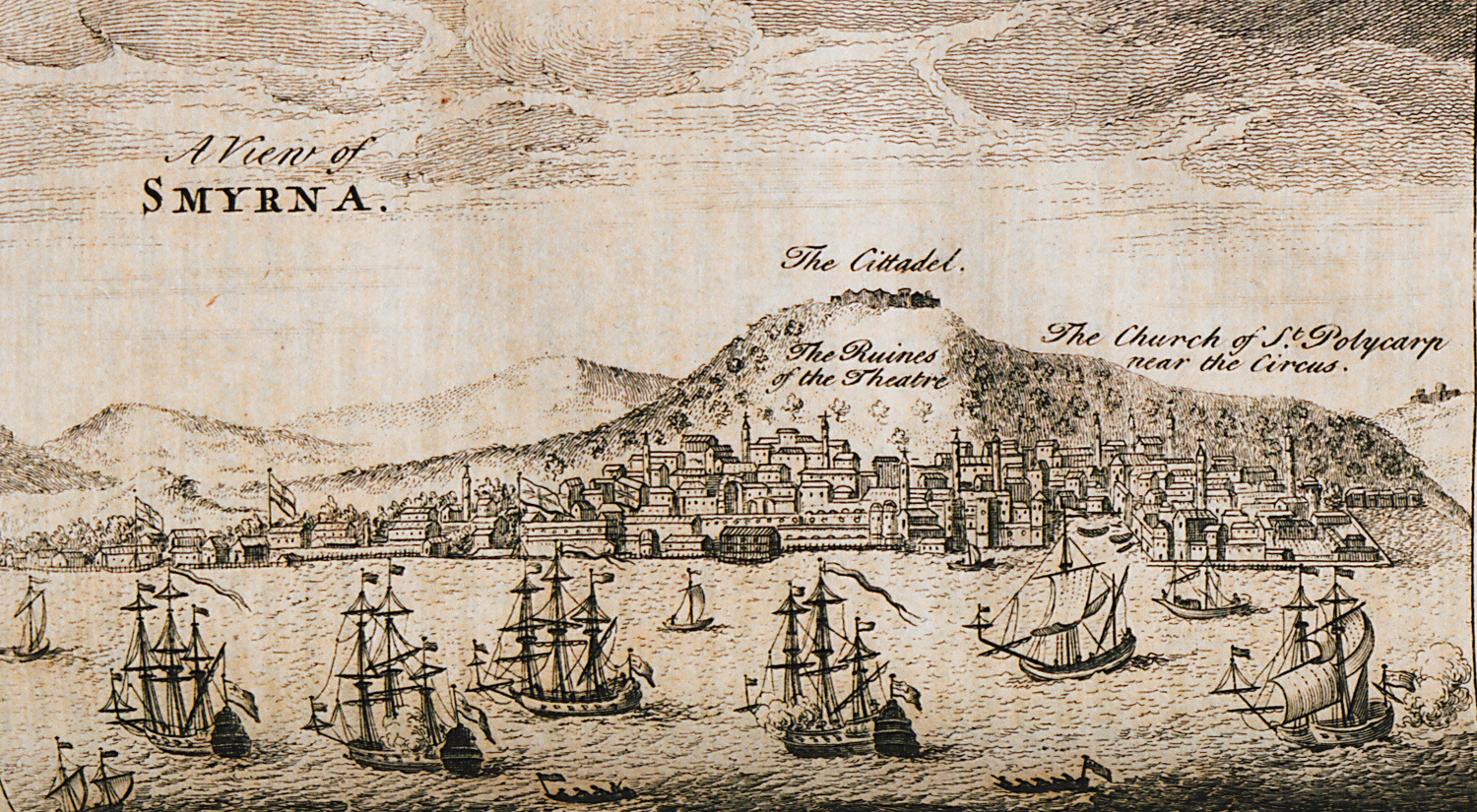
Its decline was long. The Anglo-Dutch wars, the destruction of the Smyrna convoy in 1693, and rising competition from private merchants eroded its grip through the 17th and 18th centuries, until by 1767 it was subsisting on a £5,000 annual Crown subsidy. A final profitable decade after Napoleon’s Egyptian expedition wrecked French Mediterranean trade only sharpened the argument of the free-traders: if the trade was thriving and open, why maintain a monopoly company at all? Parliament dissolved it in 1825, transferring the most extensive private diplomatic network in British history to the Board of Trade.
Worth remembering
- It ran the British state's consular service in the Ottoman Empire for over two centuries — the ambassadors and consuls at Constantinople, Aleppo and Smyrna were company employees paid by merchant dues, not Crown appointees, until the government took over in 1825.
- The English word 'turkey' for the bird traces to the company's merchants, who imported guinea fowl through Ottoman lands — so every Thanksgiving table carries a faint trace of the Turkey Merchants.
Gallery
Sources
- Chartered in 1592, the Levant Company saw cloth exports rise from 46% to 79% of England's total between 1609 and 1619 and was dissolved by the Dissolution of Levant Company Act 1825, its consular establishments passing to the Board of Trade Wikipedia
- The company employed about 6,000 people at its peak, received a £5,000 annual Crown subsidy from 1767, recovered its position after Napoleon's Egyptian expedition, and was dissolved in 1825 Encyclopedia.com
A graveyard tradition: leave a stone to show you came, and remembered.