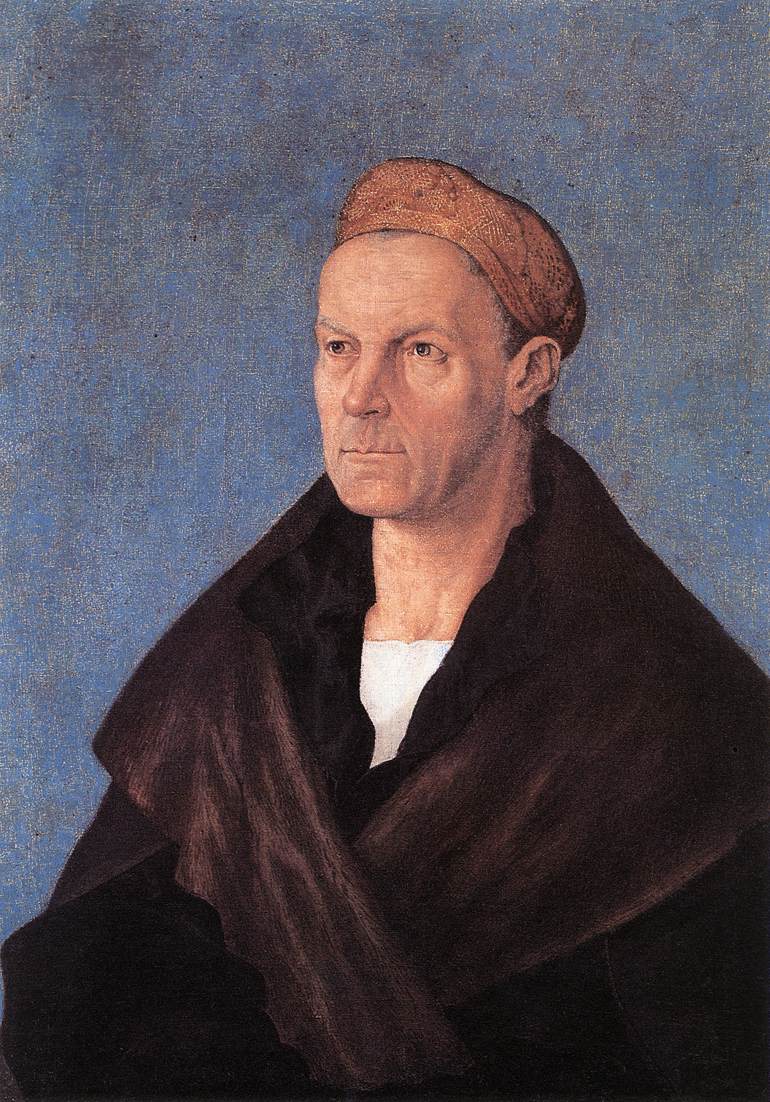
The Fuggers rose from Augsburg weavers to Europe’s dominant banking dynasty in under a century. Jakob “the Rich” (1459–1525) made the house indispensable to power: it financed the wars of the Habsburgs, handled the Vatican’s money, and in 1519 supplied most of the bribery fund that secured Charles V’s unanimous election as Holy Roman Emperor. At Jakob’s death the company’s assets stood above two million guilders — by one estimate around 2% of all European economic output.
The model that built the house also destroyed it. Its wealth was lent to sovereigns who had every incentive not to repay, and the largest debtor was the Spanish crown. By the death of Jakob’s nephew Anton in 1560, liabilities of 5.4 million guilders nearly matched the firm’s assets, and 2.9 million of that was owed by Spain alone — debt the Habsburgs would never honour. Spanish state bankruptcies in 1557 and 1575 wiped out capital each time; the Thirty Years’ War ruined what remained of the mining business. In 1657 Leopold Fugger handed the Tyrolean mines back to the Habsburgs, extinguishing the last commercial asset, and the company was gone. The family lived on as landed counts. (The modern Fürst Fugger Privatbank, founded in 1954, only borrows the name — it is no continuation of the historic house.)
Worth remembering
- Jakob Fugger personally supplied about two-thirds of the money that bought Charles V the imperial election of 1519 — and put the debt in writing, reminding the emperor that 'Your Imperial Majesty could not have gained the Roman Crown save with mine aid.'
- The Fuggers controlled the Tyrolean and Hungarian silver and copper mines that minted much of northern Europe's coin while serving as the Vatican's chief remittance agent — leverage over secular and church power at once.
Gallery
Sources
- Company assets stood at over 2 million guilders at Jakob's death in 1525; by Anton's death in 1560 liabilities of 5.4 million nearly equalled assets, with 2.9 million owed by the Spanish crown; the firm was dissolved after the Thirty Years' War when the Tyrolean mines were returned in 1657 Wikipedia
- Jakob Fugger provided the bulk of the bribery fund securing Charles V's election as emperor in 1519; the company was not completely dissolved until after the Thirty Years' War, and the family retained its landed wealth Encyclopaedia Britannica
A graveyard tradition: leave a stone to show you came, and remembered.