Formed in 1985 from the merger of Houston Natural Gas and InterNorth, by 2000 Enron was the seventh-largest company in the United States, a Houston energy-trading giant that reported around $101 billion in revenue and was celebrated as the future of capitalism. Fortune magazine named it “America’s Most Innovative Company” six years in a row.
The innovation was fictional. Enron used off-the-books partnerships and mark-to-market accounting to hide enormous debts and book imaginary profits, inflating its stock while insiders sold. When the scheme unravelled in late 2001 the company collapsed almost overnight, wiping out around $74 billion and the retirement savings of thousands of employees. It filed for bankruptcy on 2 December 2001. The wreckage was wide enough to kill a second giant: Arthur Andersen, one of the world’s five great accounting firms and Enron’s auditor, was convicted of obstruction and dissolved, taking 85,000 jobs with it. The most admired company of its moment was a lie with a logo.
Worth remembering
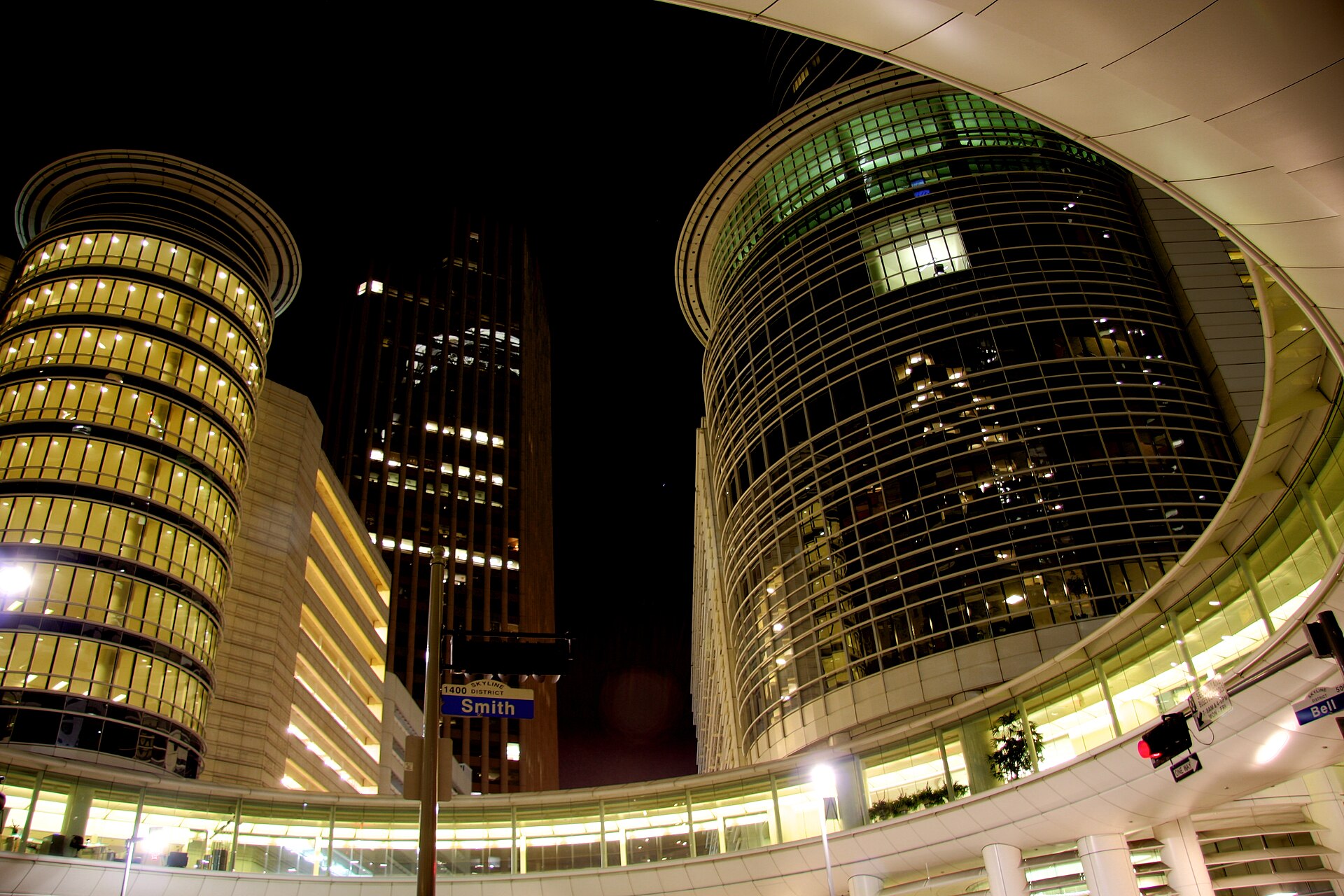
- Fortune named it 'America's Most Innovative Company' six years in a row, and its Houston headquarters had a trading floor styled like a Star Trek bridge.
- It was so admired that business schools taught it as a case study in success — right up until it became the case study in fraud.
Gallery
Watch
Sources
- Enron, 7th-largest US company, collapsed in 2001 amid accounting fraud; took down auditor Arthur Andersen Wikipedia
- Details of the Enron accounting scandal and bankruptcy Wikipedia
- Enron was formed in 1985 from the merger of Houston Natural Gas and InterNorth, became a vast energy-derivatives trader, and used mark-to-market accounting and off-the-books special-purpose entities to hide losses before filing for bankruptcy on 2 December 2001. Encyclopaedia Britannica
A graveyard tradition: leave a stone to show you came, and remembered.