
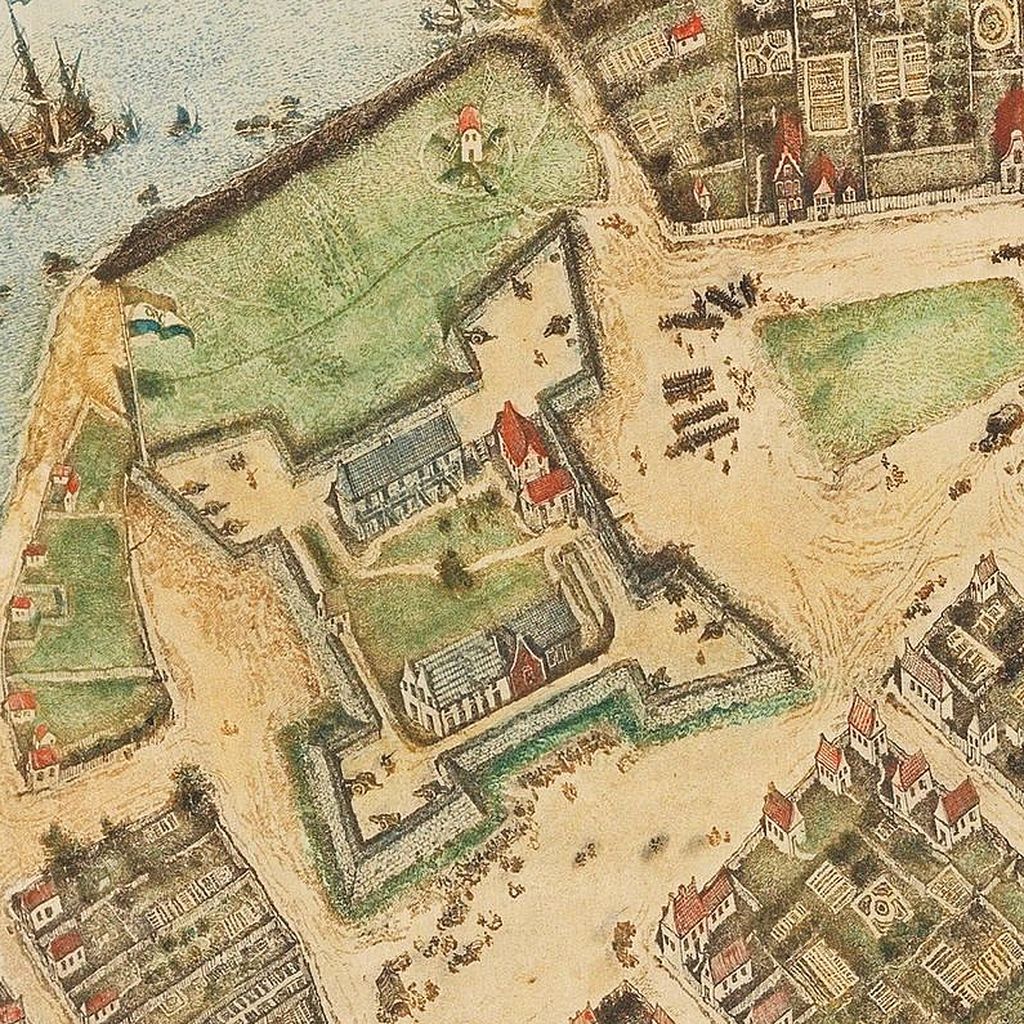
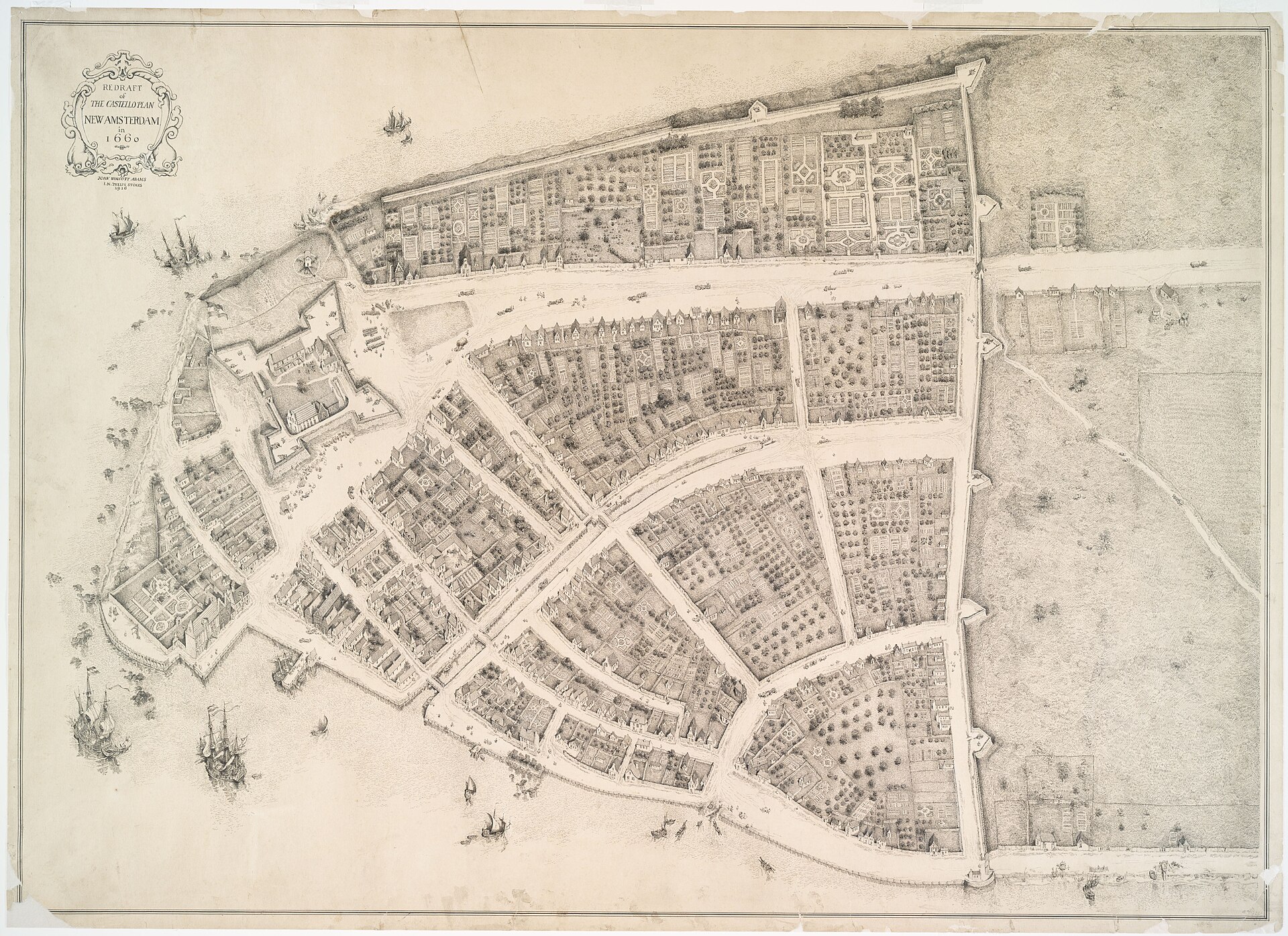
The first Dutch West India Company was an instrument of war as much as commerce. Chartered in 1621 with the power to wage war, sign treaties and colonise across the entire Atlantic, it scored a spectacular early triumph when Piet Hein seized Spain’s silver fleet in 1628, and it founded New Amsterdam on Manhattan and a sugar empire on the Brazilian coast under John Maurice of Nassau. But the Brazil campaign cost tens of millions of guilders to sustain, and the company went bankrupt; in 1674 the States General formally wound it up, leaving shareholders with new stock worth a sixth of their old.
A second company was raised in 1675, stripped of the Brazilian ambitions and built on the Caribbean sugar islands and the West African slave trade. It never matched the scale of the first and ran on thin capital from the start. By the 1780s, after the Fourth Anglo-Dutch War had stripped away its remaining advantages, it was structurally irrelevant. In 1791 the States General simply declined to renew the charter, and the company’s territories passed to direct state control on 1 January 1792 — ending 171 years of chartered Dutch presence in the Atlantic.
Worth remembering
- The first company founded New Amsterdam on Manhattan in 1626, buying the site from the Lenape for trade goods worth 60 guilders — the settlement that became New York after England seized it in 1664.
- In 1628 Admiral Piet Hein captured the entire Spanish silver fleet off Cuba — the only time Spain's whole annual treasure shipment was taken at once — handing the company a windfall of roughly 11.5 million guilders.
Gallery
Sources
- The first West India Company was chartered in 1621, went bankrupt and was dissolved in 1674; the second company (1675) was dissolved on 1 January 1792 after its charter was not renewed Wikipedia
- On the first company's 1674 bankruptcy, old shareholders received new stock worth only 15% of their original investment, while overseas operations continued under the reconstituted second company Itinerario / Cambridge University Press
A graveyard tradition: leave a stone to show you came, and remembered.