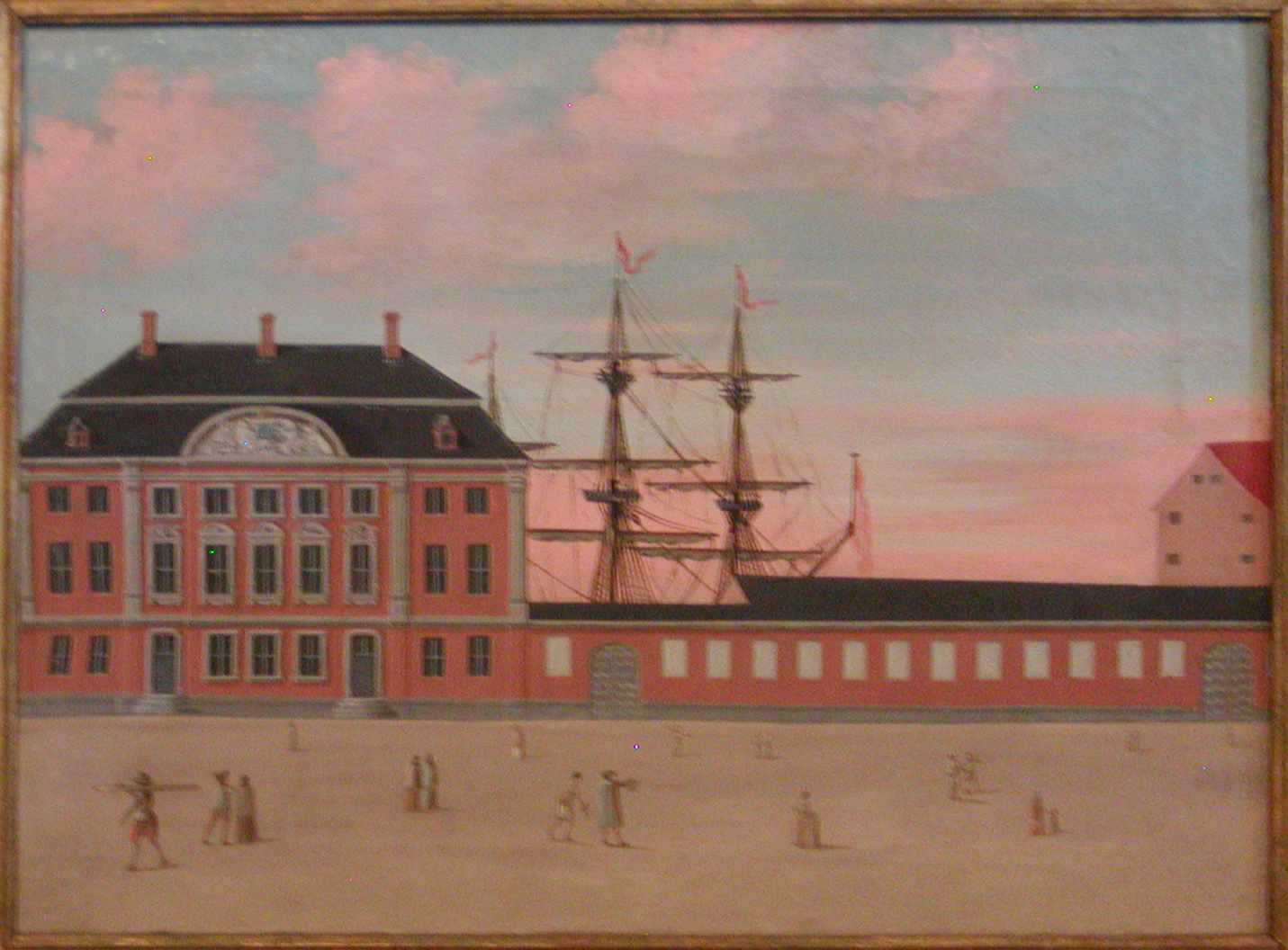
The Asiatic Company was Denmark-Norway’s third try at the East Indies trade, chartered in 1732 after two earlier companies, founded in 1616 and 1670, had both failed. Its forty-year monopoly carried profitable voyages to China and India, bringing back tea and porcelain and making the company’s Christianshavn headquarters a landmark of Copenhagen’s harbour — a building that still stands and now houses the Danish foreign ministry.
In 1772 the Danish state took direct control of the colonial trade, ending the private monopoly; the company carried on, but diminished. The Napoleonic Wars were ruinous — Britain seized Danish merchant ships in Indian waters in 1808 — and by the early 19th century there was little trade left to conduct. The liquidation was completed in 1843, and Denmark sold its last Indian settlement, Tranquebar, to Britain two years later, closing the whole chapter of Danish colonialism in Asia.
Worth remembering
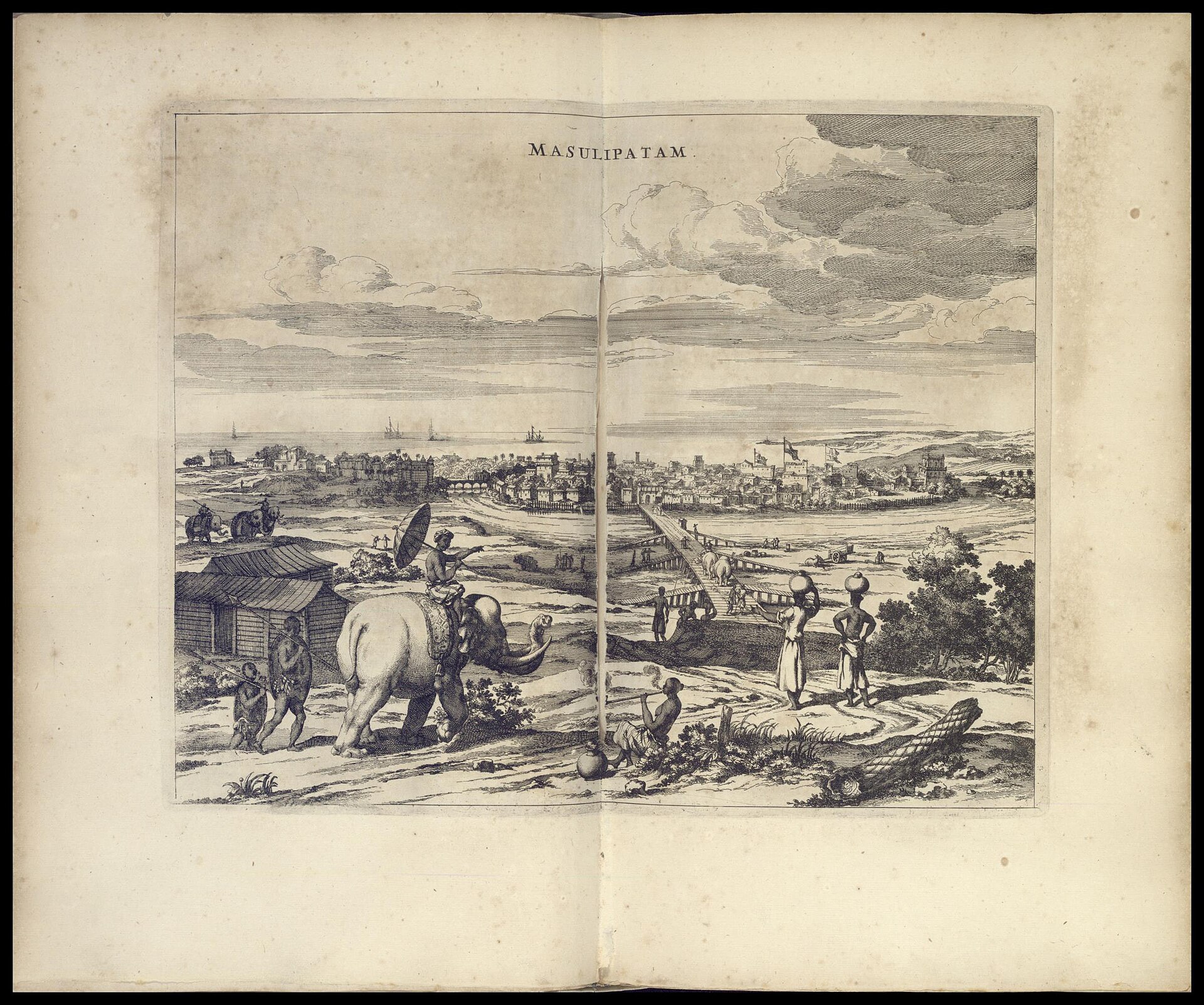
- It ran the Danish colony of Tranquebar on the Coromandel Coast of India, settled as early as 1620 — making Denmark one of the earliest European colonial powers on the subcontinent.
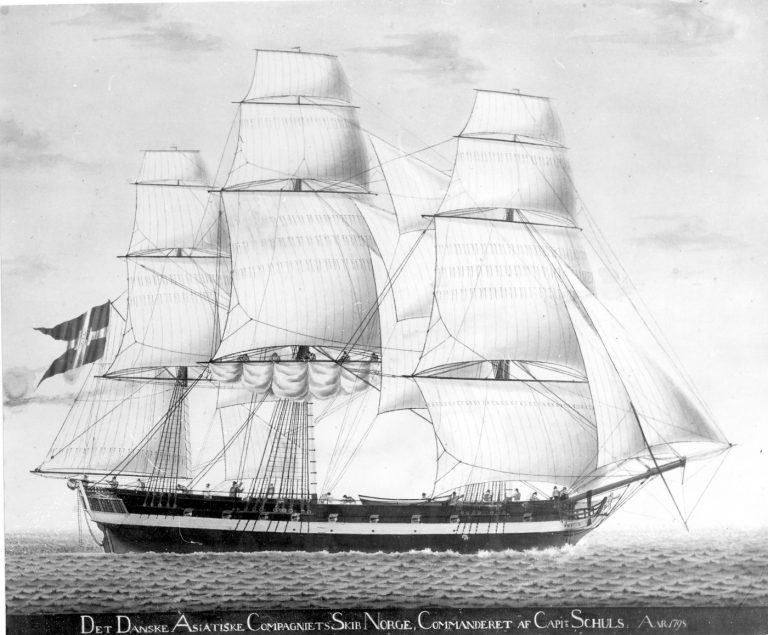
- Before 1750 alone the company dispatched 27 ships to Asia, importing tea, porcelain and spices and making Copenhagen a northern entrepôt for Eastern goods.
Gallery
Sources
- The Asiatic Company was founded in 1732 with a 40-year monopoly, lost the monopoly in 1772, and was dissolved in 1843; its Christianshavn premises were later acquired by Jacob Holm's shipping firm Wikipedia
- The Danish company operated from 1732 to 1843, with the trade declining after 1800 under British competition; Denmark sold its last Indian settlement, Tranquebar, to Britain in 1845 National Museum of Denmark
A graveyard tradition: leave a stone to show you came, and remembered.