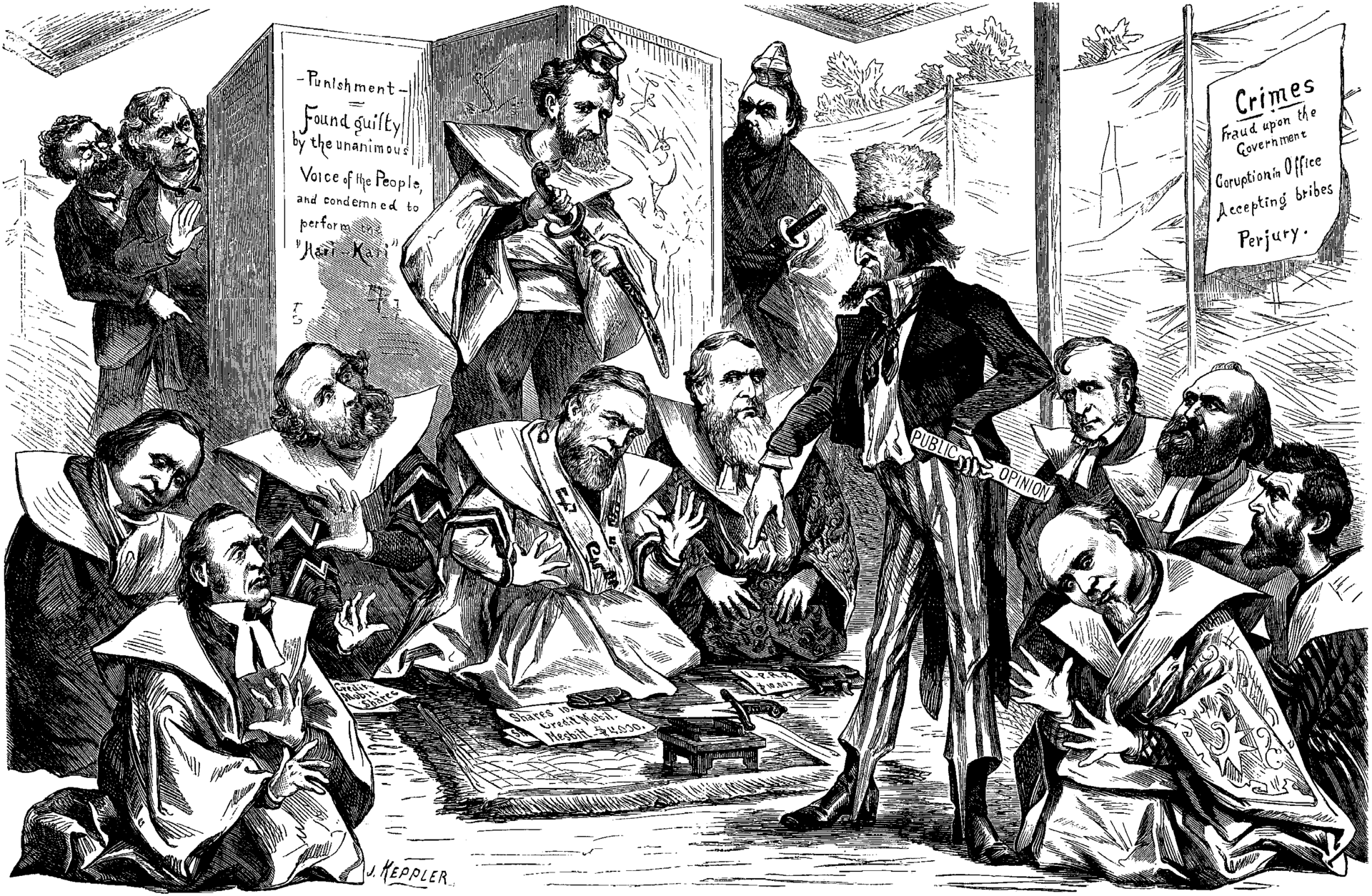
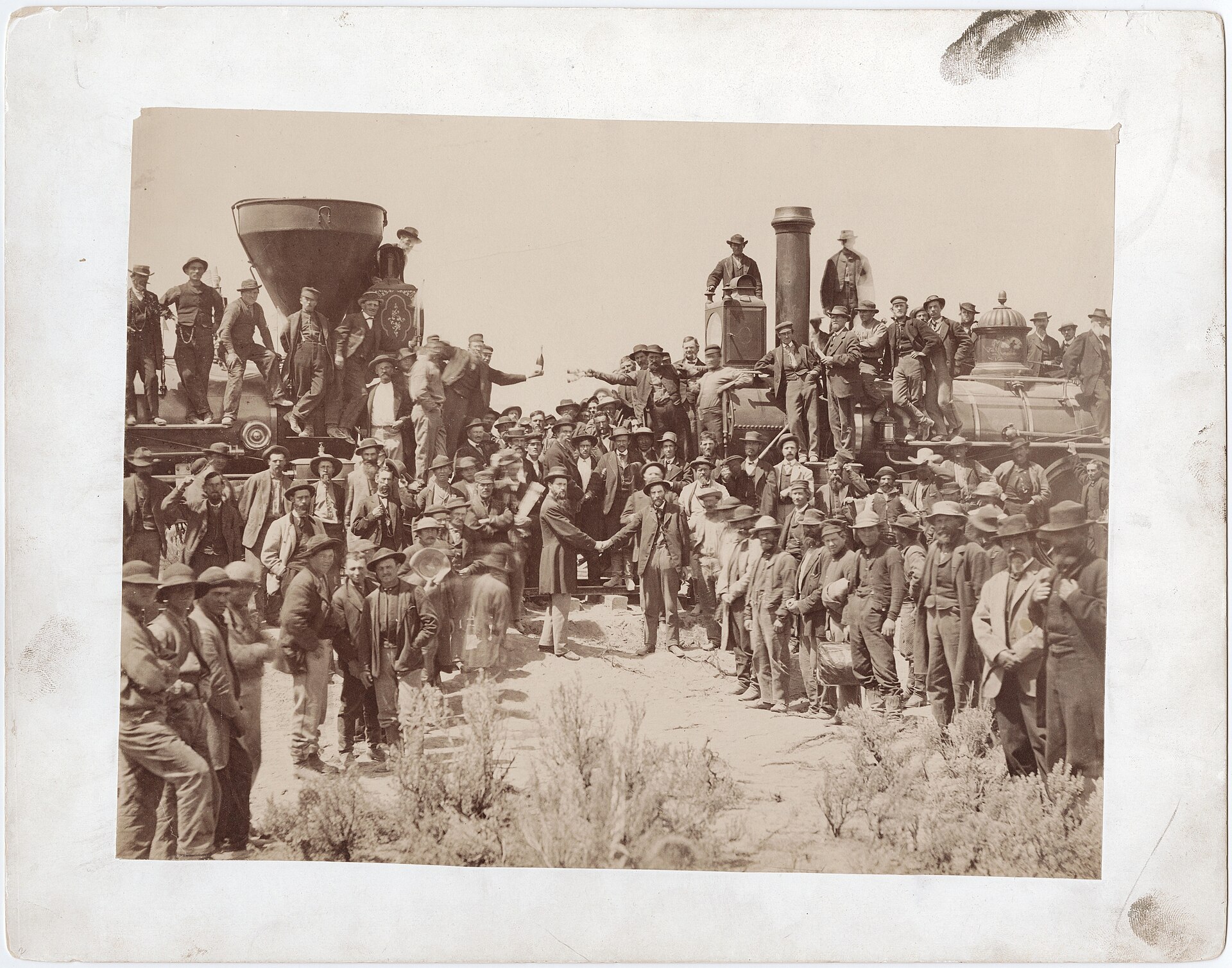
Crédit Mobilier of America was a machine for self-dealing dressed as a construction company. The executives of the Union Pacific Railroad owned it themselves, then hired it to build their railroad at contract prices roughly double the actual cost — billing some $94 million for around $50 million of work. By the time the transcontinental line was joined in 1869, the insiders had skimmed tens of millions while leaving the Union Pacific itself nearly insolvent.
The reckoning came through politics. In September 1872, conveniently timed to a presidential election, the New York Sun published Congressman Oakes Ames’s list of the lawmakers to whom he had handed discounted shares. The congressional investigations of early 1873 confirmed the scheme; Ames and James Brooks were censured, but no one went to prison. With its contracts complete, its purpose spent and its name synonymous with corruption, the company ceased operating in the wake of the inquiry and was defunct by 1874. The Union Pacific it had hollowed out went bankrupt itself in 1893.
Worth remembering
- It was never an independent firm — the men who ran the Union Pacific created and owned it so they could award themselves construction contracts at inflated prices and pocket the difference, invisibly to outside shareholders.
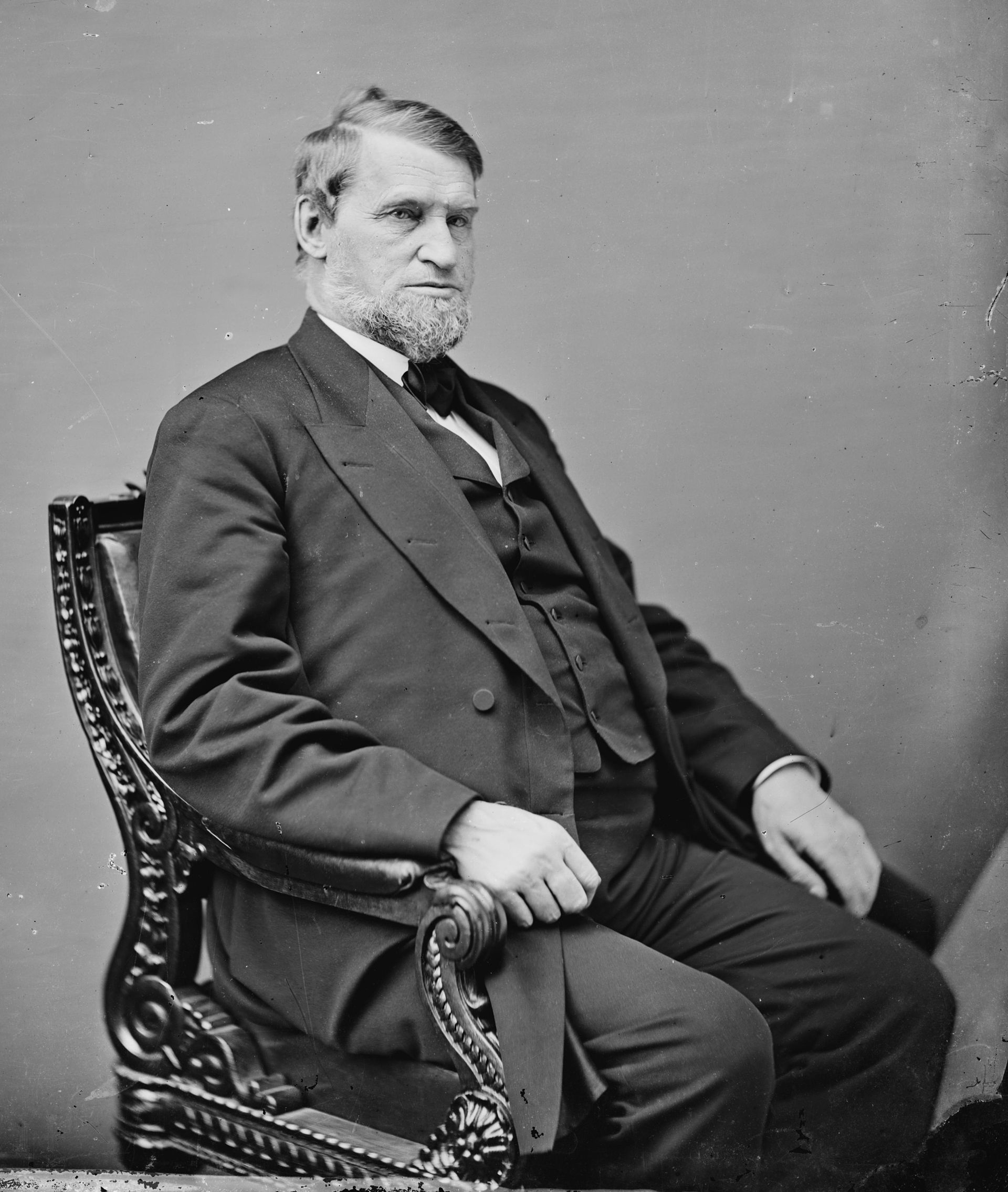
- Congressman Oakes Ames distributed discounted shares to at least 15 House members, six senators and Vice President Schuyler Colfax in exchange for legislative favours; when it was all exposed in 1872, he received only a congressional censure.
Gallery
Sources
- Reorganised in 1864, Crédit Mobilier billed about $94 million for roughly $50 million of construction; the scandal broke in September 1872 when Oakes Ames's list of bribed legislators was published, and Ames and James Brooks were censured Wikipedia
- The scheme of inflated construction contracts became a symbol of post-Civil-War corruption, with no successor or continuation Encyclopaedia Britannica
A graveyard tradition: leave a stone to show you came, and remembered.