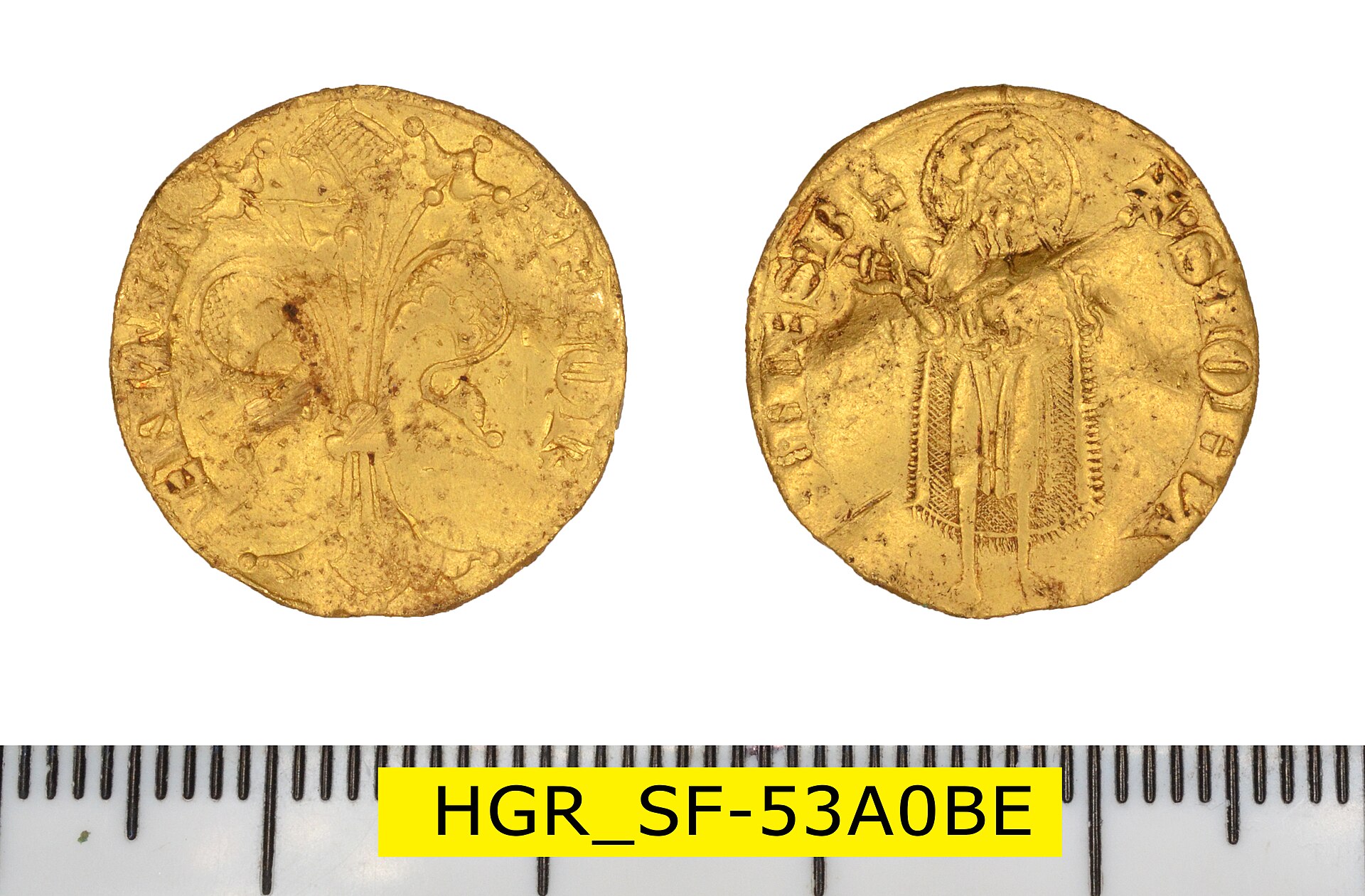
Suffolk County Council / Riccardo Caravello · CC BY 2.0
Bygone Companies
The Bardi and Peruzzi banks
1267 CE1346 CE
Florence's super-companies lent Edward III of England some 900,000 and 600,000 gold florins for the Hundred Years' War; his default in the 1340s dragged them under.
Born
1267 CE
Died
1346 CE
Lived
79 years
Dead for
680 yrs
At its peak
Largest banking houses in 14th-century Europe; branches across the continent
Cause of death
Overreach
The Obituary
The Bardi and Peruzzi were the dominant Florentine banking houses of the early 14th century, financiers to popes and princes with branches stretching across Europe and into the Levant — the giants of finance before the Medici rose. Their downfall came from lending too much to too few sovereigns. When Edward III of England defaulted on enormous loans — roughly 900,000 gold florins owed to the Bardi and 600,000 to the Peruzzi, raised to fund the Hundred Years’ War — and other debtors followed, the houses could not absorb the losses. The Peruzzi failed around 1343 and the Bardi by 1346, a collapse that staggered the whole Florentine economy.
Worth remembering
They were the largest banking houses in Europe before the Medici, with branches across the continent and the Levant.
Edward III of England's default on loans used to finance the Hundred Years' War helped trigger their bankruptcies in the 1340s.
Gallery
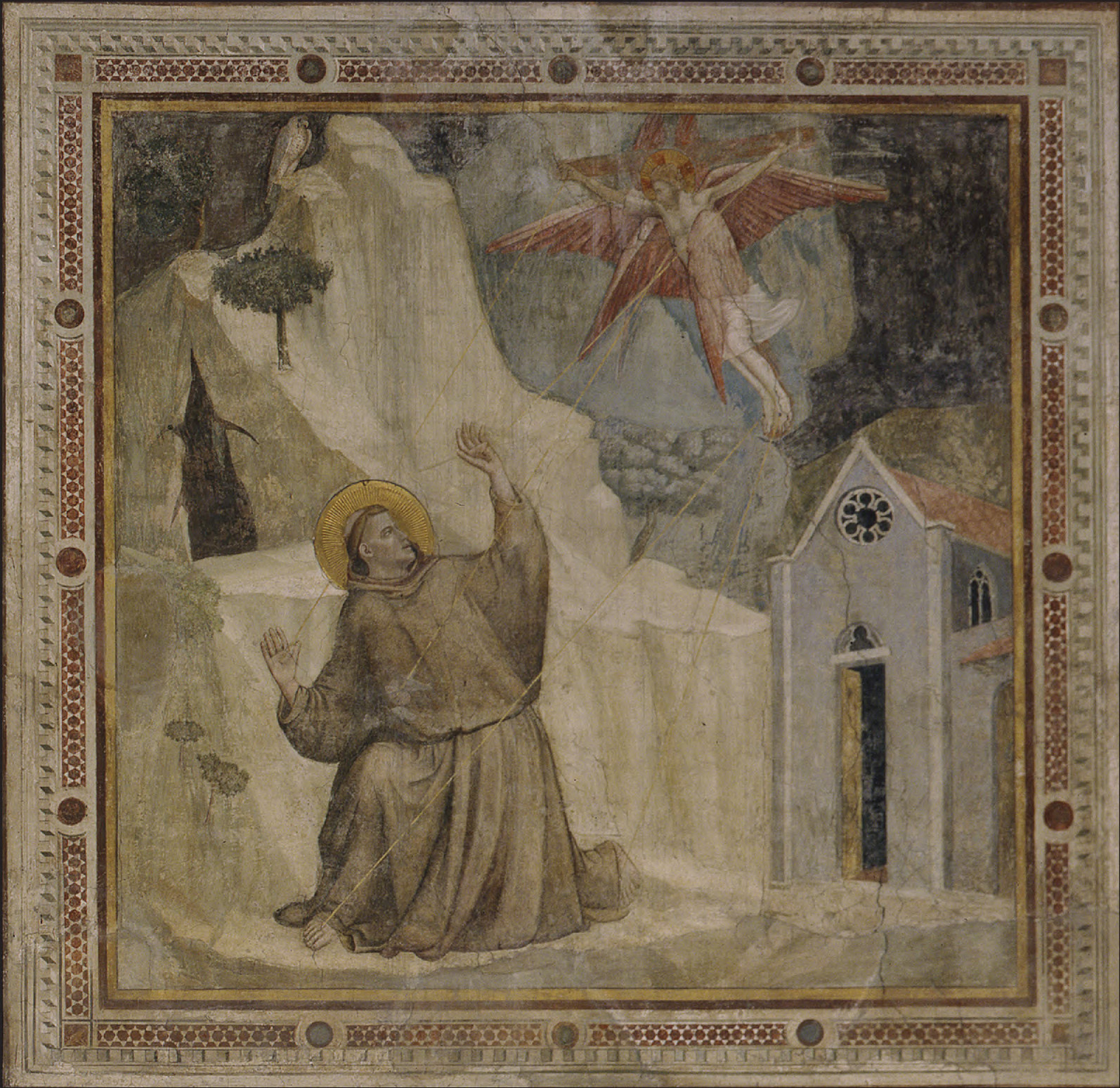
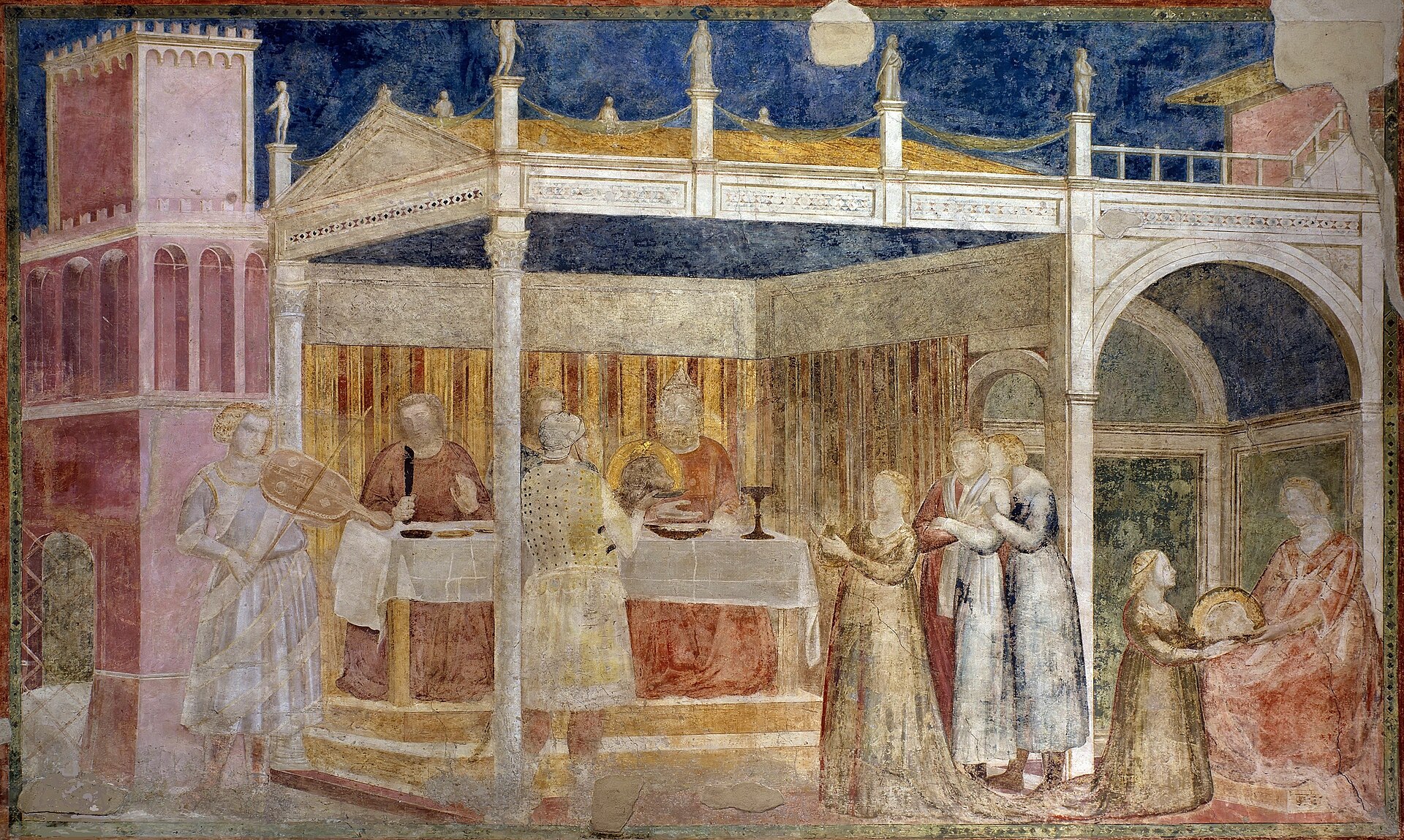
Giotto's fresco of the Stigmatization of Saint Francis in the Bardi Chapel, Santa Croce, Florence, commissioned by the Bardi banking familyPublic domainGiotto's Feast of Herod fresco in the Peruzzi Chapel, Santa Croce, Florence, commissioned by the Peruzzi banking familyPublic domain
Sources
The Bardi and Peruzzi banking families of Florence collapsed in the 1340s after Edward III of England defaulted on huge loans Wikipedia
The Peruzzi were one of medieval Florence's largest banking companies, ruined by the English crown's defaults Wikipedia
The Bardi and Peruzzi, Florence's dominant banking houses, lent Edward III of England roughly 900,000 and 600,000 gold florins to fund the Hundred Years' War; his repudiation of those debts in the 1340s bankrupted both firms and ended the era of the medieval super-companies. Encyclopaedia Britannica
A graveyard tradition: leave a stone to show you came, and remembered.
Buried nearby — by shared fate or a neighbouring lifespan.