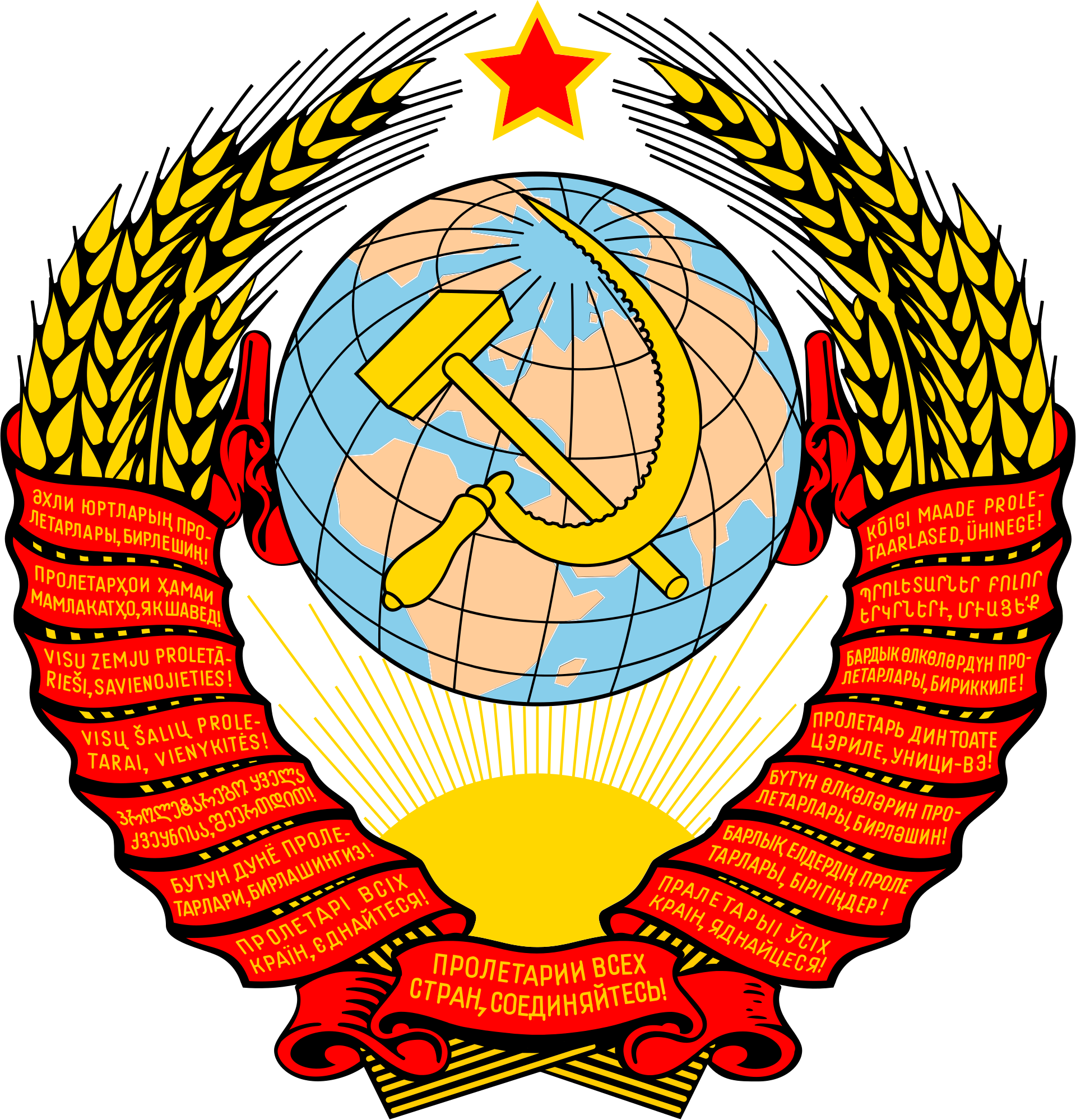
The world's first communist superpower, born by treaty in 1922 and dissolved by Mikhail Gorbachev's stroke of the pen in December 1991 — 69 years undone by a failed coup.
Born
1922 CE
Died
1991 CE
Lived
69 years
Dead for
35 yrs
Cause of death
Overreach
Replaced by
Russian Federation and fourteen other independent republics
The Obituary
The Soviet Union grew from the Bolshevik revolution into a superpower that industrialized at brutal speed, defeated Nazi Germany at a cost of some 27 million dead, and matched the United States across four decades of Cold War. Central planning eventually stagnated, and Mikhail Gorbachev’s reforms loosened controls faster than the system could absorb. A hardline coup against him in August 1991 collapsed within days, accelerating the breakup. By Christmas Day 1991 the red flag came down over the Kremlin and fifteen republics went their own way.
Worth remembering
At its height it spanned eleven time zones and one-sixth of the Earth's land surface.
It put the first satellite, Sputnik, and the first human, Yuri Gagarin, into space.
Gallery
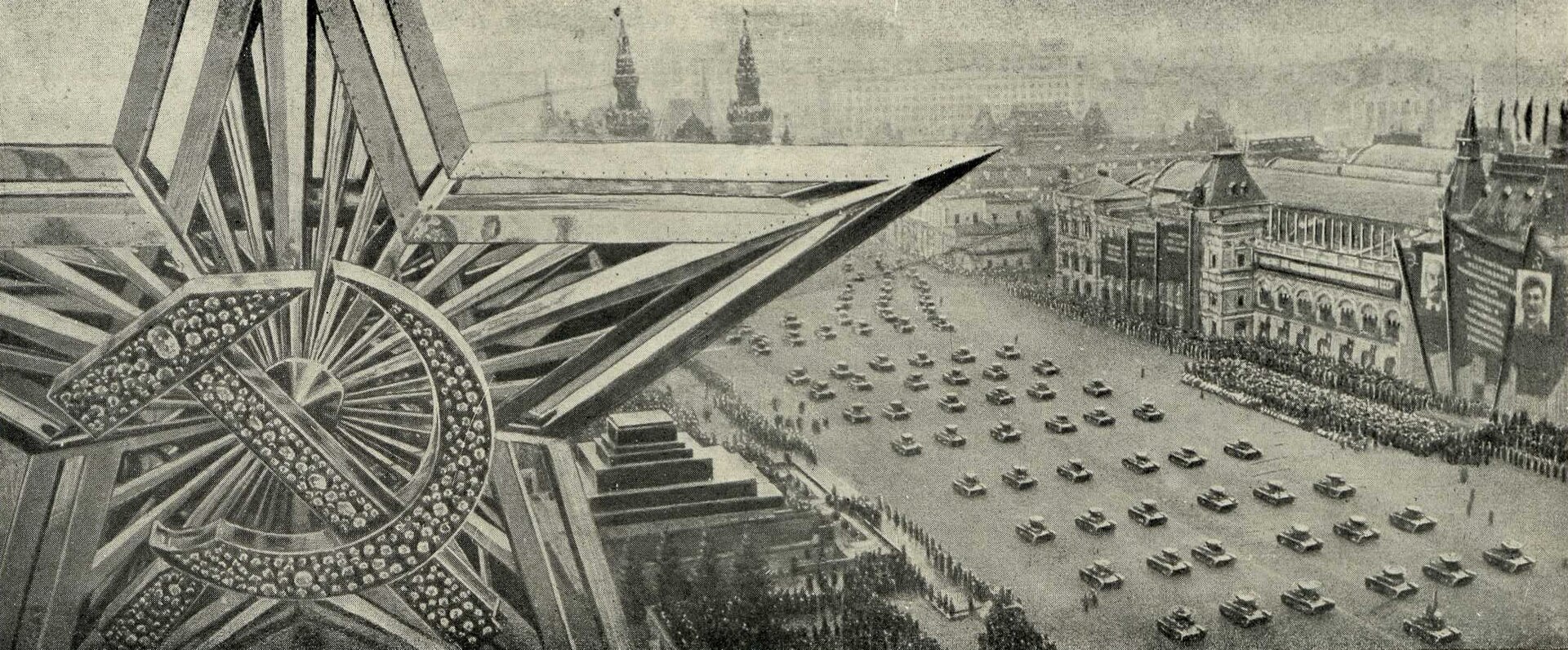
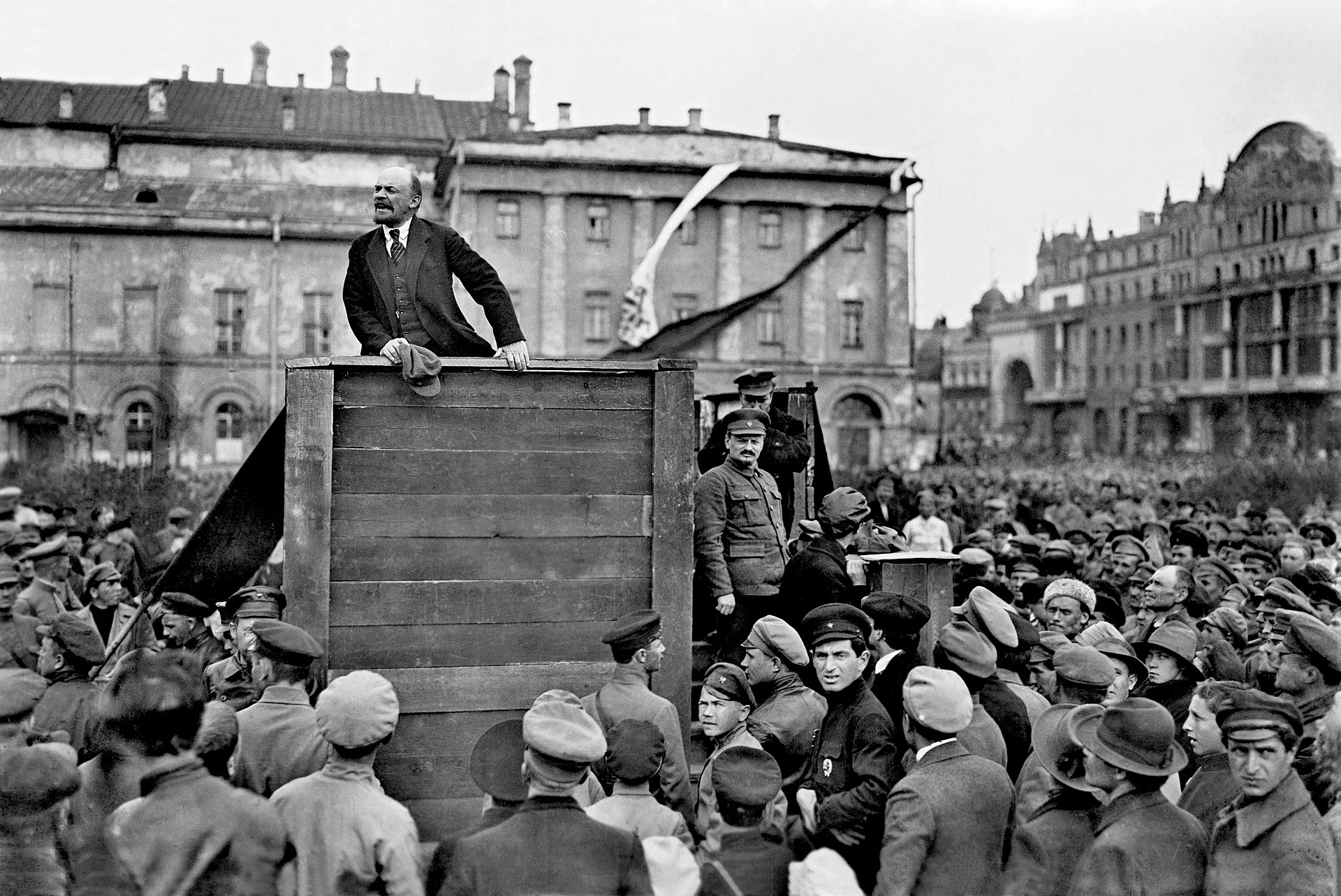
Military parade on Red Square, Moscow, 7 November 1935Public domainVladimir Lenin addressing a crowd in Moscow, May 1920Public domain
Watch
CNN live coverage of the Soviet Union's dissolution, 25 Dec 1991 — CNN
Sources
USSR founded December 1922 by treaty uniting Russian, Transcaucasian, Ukrainian and Byelorussian republics Wikipedia
The Cold War (1947–1991) between the US and USSR defined four decades of global politics; the Soviet Union's dissolution in December 1991 ended the conflict Encyclopaedia Britannica
The German-Soviet War (1941–1945) cost the Soviet Union an estimated 27 million dead — the single largest loss of any nation in World War II World History Encyclopedia
A graveyard tradition: leave a stone to show you came, and remembered.
Buried nearby — by shared fate or a neighbouring lifespan.