An Anatolian superpower whose capital Hattusa fought Egypt to a draw at Kadesh, then vanished so completely the Bible was almost its only memory.
Born
1650 BCE
Died
1180 BCE
Lived
470 years
Dead for
3,206 yrs
Cause of death
Disaster
Replaced by
Neo-Hittite city-states and later Assyrian and Phrygian powers
The Obituary
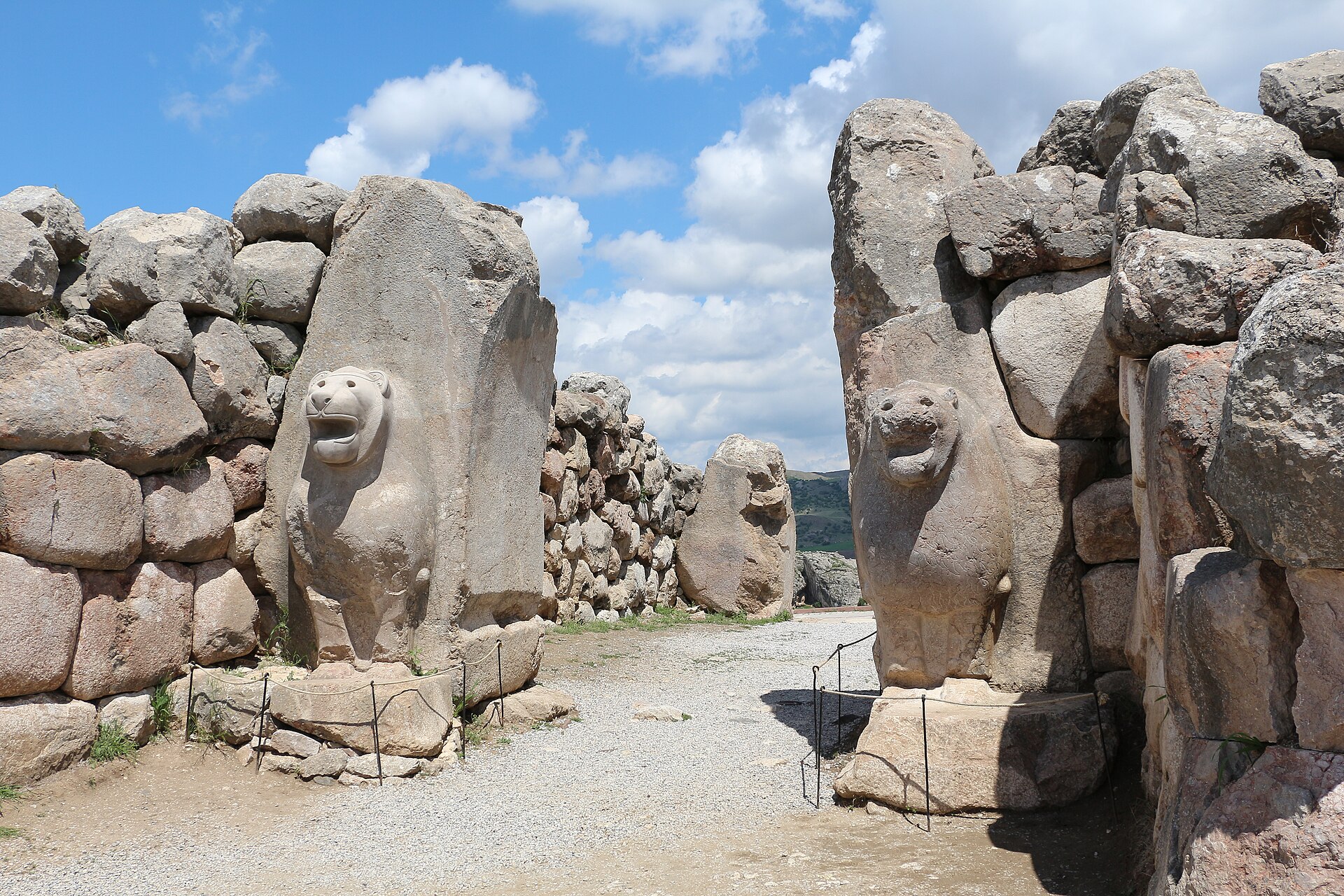
Centered on Hattusa in central Anatolia and forged into an empire under Hattusili I, the Hittites rose to rival Egypt and Babylon as one of the great powers of the Late Bronze Age. Their armies mastered chariot warfare, and their kings negotiated as equals with the pharaohs, sealing the famous treaty after the Battle of Kadesh. Around 1180 BCE the wider Bronze Age collapse, with its famines, migrations, and the so-called Sea Peoples, overwhelmed the empire. Hattusa was burned and abandoned. The Hittites faded from memory until 19th-century archaeology recovered their archives and forgotten language.
Worth remembering
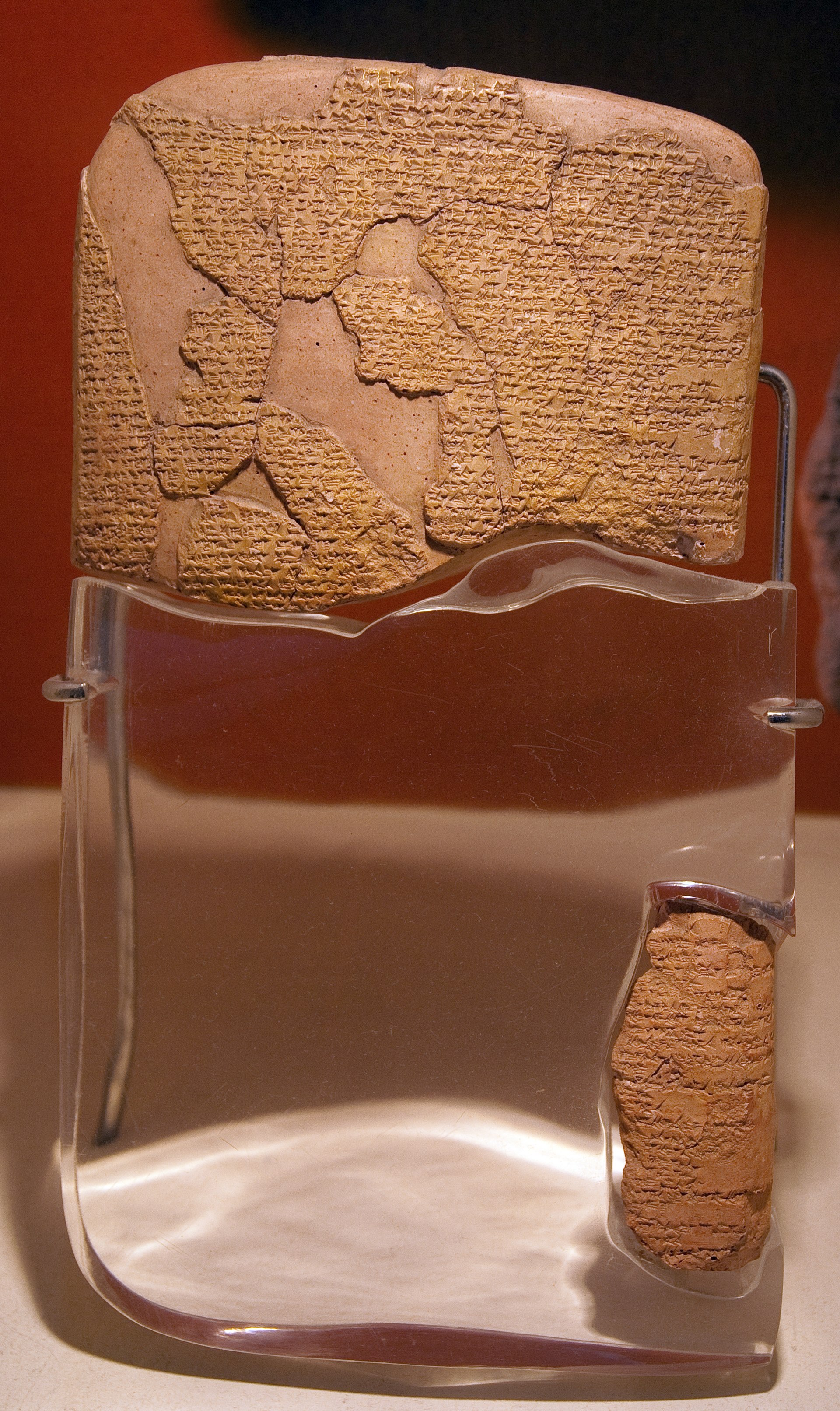
Its clash with Egypt at Kadesh c. 1274 BCE produced the earliest known peace treaty, copies of which survive.
Hittite was the first Indo-European language ever written down, recorded in cuneiform on clay tablets.
Gallery
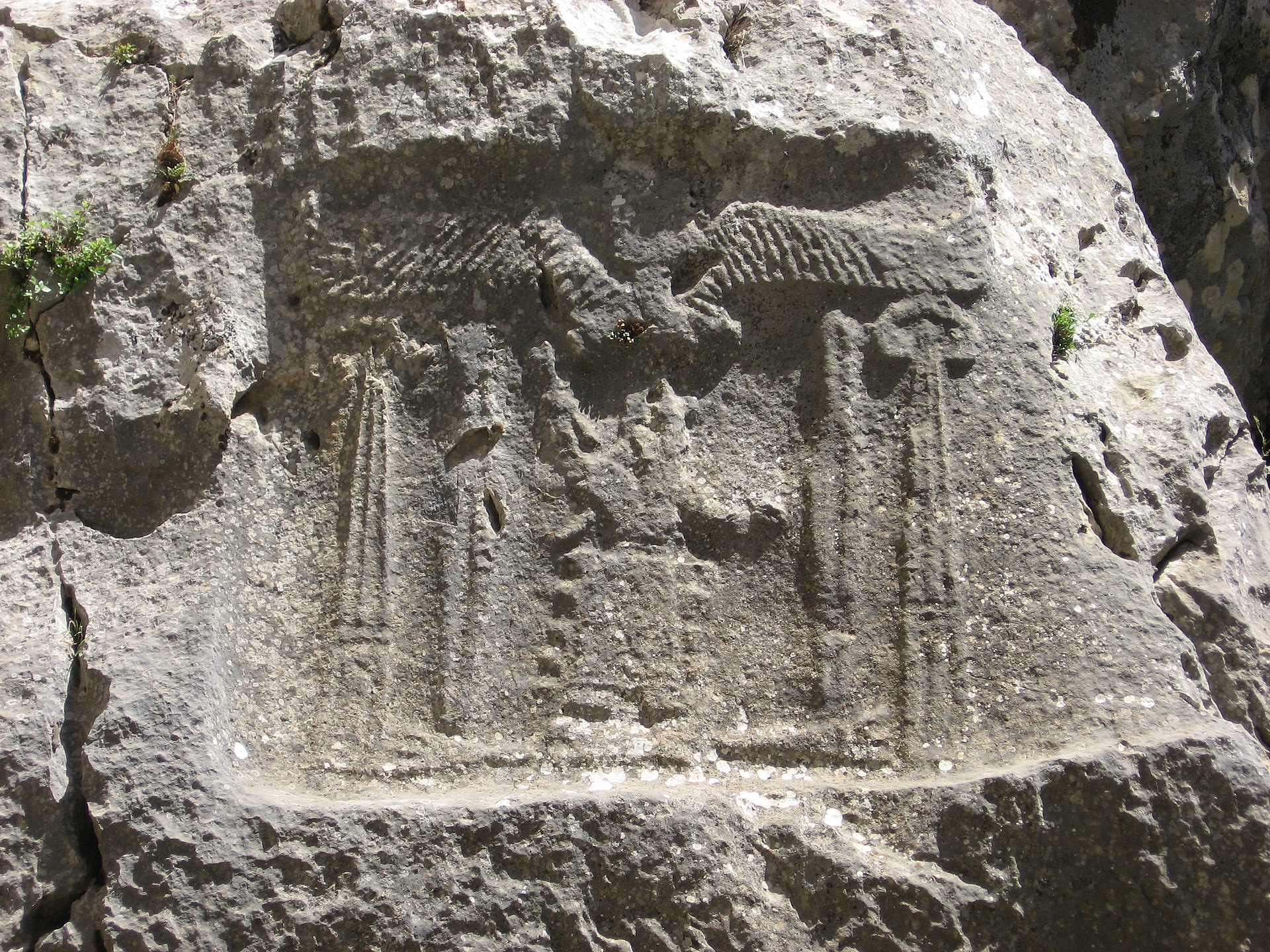
Hittite rock relief of King Tudhaliya IV at the Yazilikaya sanctuary, Hattusatravellingrunes (Flickr) · CC BY-SA 2.0Cuneiform clay tablet of the Treaty of Kadesh from Bogazkoy (Hattusa), IstanbulIocanus · CC BY 3.0
Watch
The Hittite Empire and the Battle of Kadesh — Khan Academy
Sources
Hittite Old Kingdom established c. 1650 BCE; empire centered on Hattusa Wikipedia
Hattusa destroyed and empire collapsed c. 1180 BCE during the Bronze Age collapse World History Encyclopedia
The Battle of Kadesh (c. 1274 BCE) between the Hittites and Egypt produced no clear victor; roughly 15 years later the two powers signed the earliest known international peace treaty Encyclopaedia Britannica
The Bronze Age collapse around 1180 BCE destroyed Hattusa and ended the Hittite Empire; the causes included famine, mass migrations, and attacks by the Sea Peoples World History Encyclopedia
A graveyard tradition: leave a stone to show you came, and remembered.
Buried nearby — by shared fate or a neighbouring lifespan.