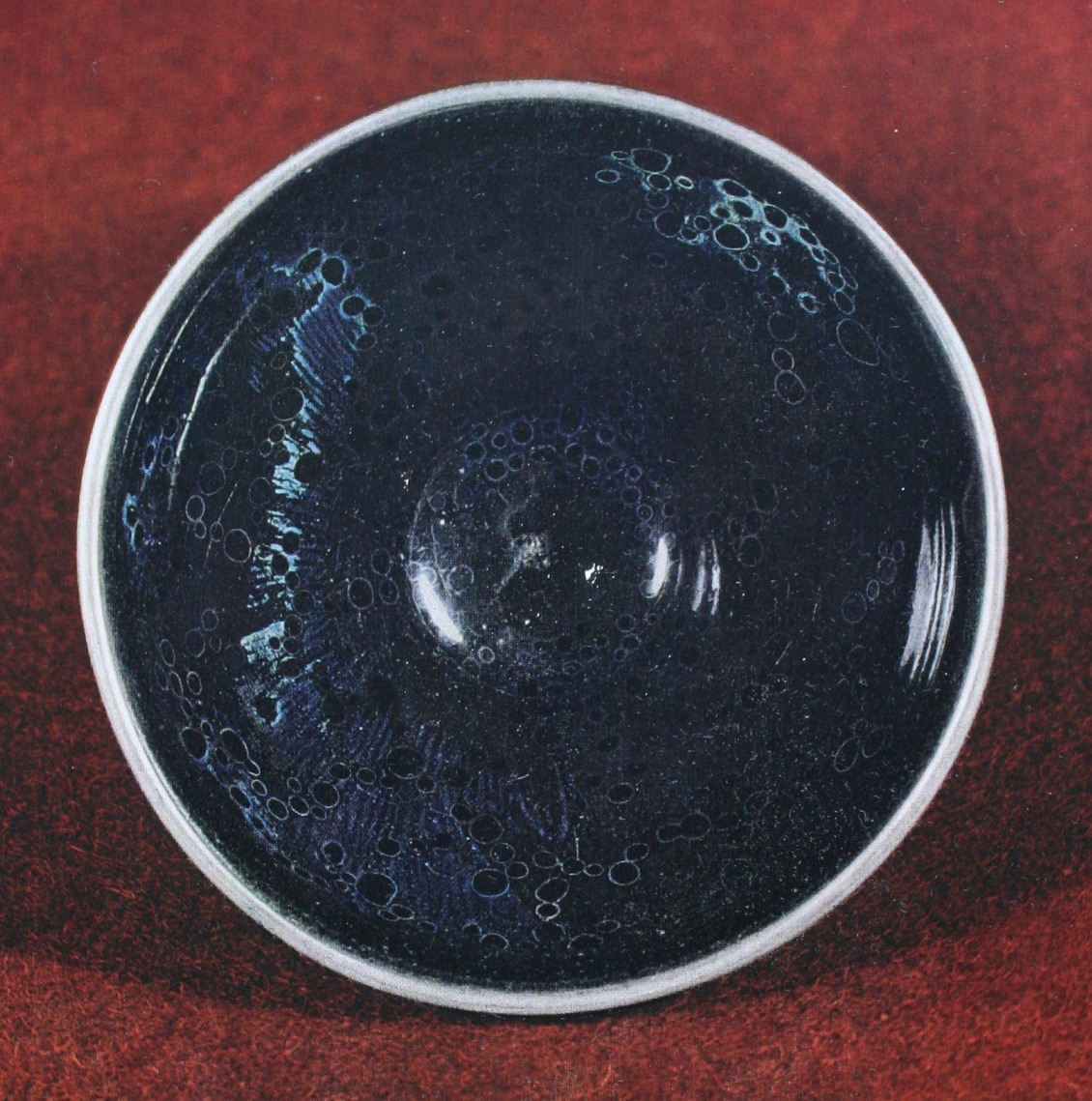
The Jian kilns in Fujian province fired millions of tea bowls during the Song Dynasty, most of them simple everyday ware. A tiny number — probably unintentional — came out of the kiln with an iridescent surface of shifting oil-spot colours: gold, blue, and silver moving across the glaze as the bowl turned in the light. These the Chinese called yōhen, “celestial change.” They were exported to Japan, where they became the most prized tea wares in the culture of chanoyu, and three of them remain there today as National Treasures, among the most valuable ceramic objects in existence.
Nobody knows exactly how they were made. The effect involves an unusual interaction of the glaze’s iron content with the kiln atmosphere and the precise temperature curve of the firing — but the specific combination of variables that produces it has defied reproduction. Song-era potters left no technical manuals. The kiln tradition of Jian dispersed after the dynasty fell in 1279 and was never fully reconstituted. Japanese and Chinese ceramicists have been attempting to reproduce yōhen tenmoku since at least the 1970s. Modern labs have analysed the surviving bowls with X-ray fluorescence and electron microscopy. The chemical composition is understood. The effect is still not reliably reproduced.
What survives is three bowls and the knowledge that they were once, somehow, made. The craft that made them is gone.
Worth remembering
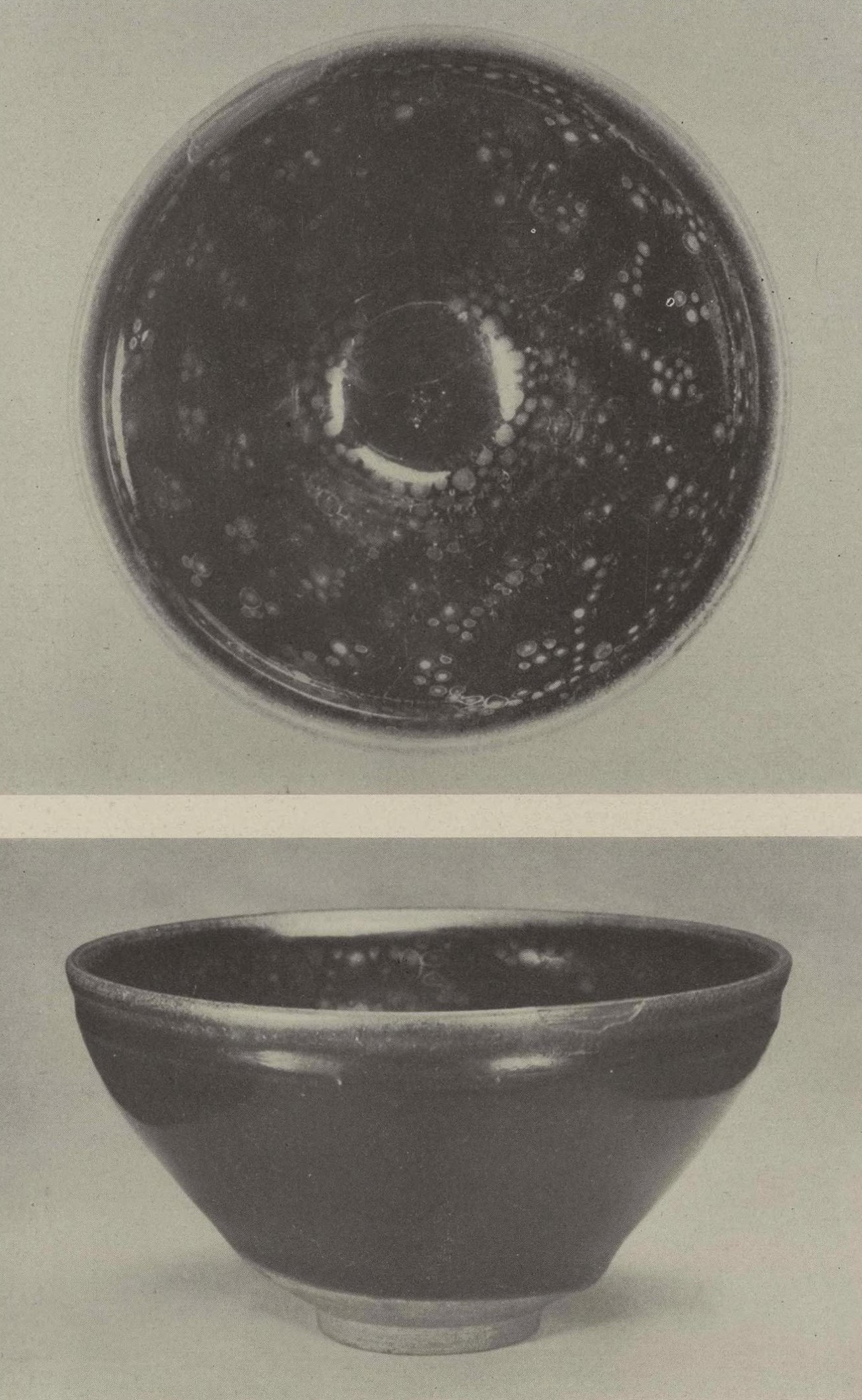
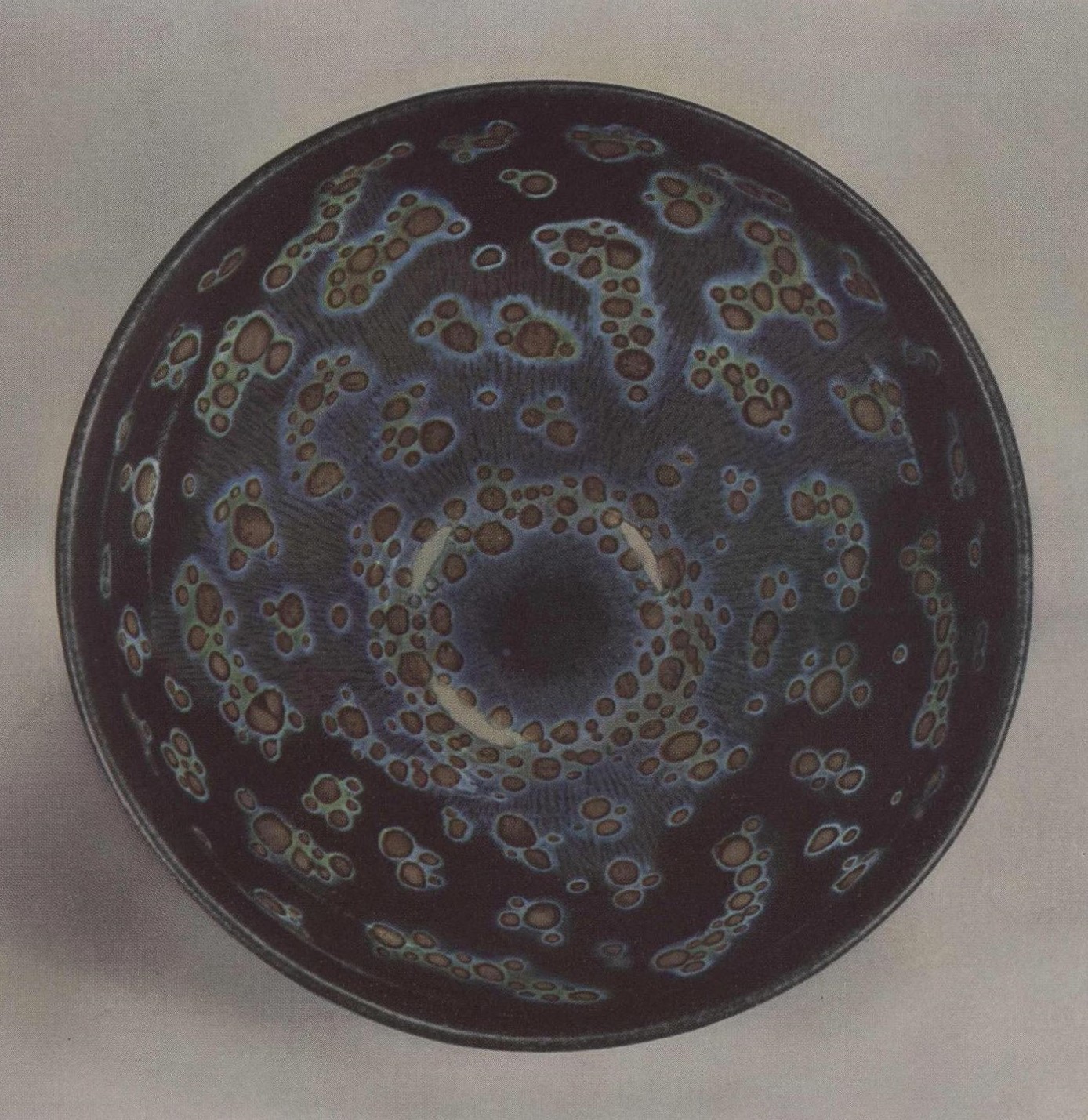
- The three surviving bowls — held at Ryūkōin in Kyoto, the Seikado Bunko Art Museum in Tokyo, and the Fujita Museum in Osaka — are among the most intensively studied ceramic objects in the world; each is handled in a silk-lined box and examined as a puzzle without a solution.
- The Jian kilns produced them in vast quantities for everyday tea-drinking, but among tens of thousands of surviving pieces, only three have the iridescent 'oil-spot' effect that shifts colour across the surface from gold to blue to silver depending on the angle of light — an unplanned interaction of iron content, kiln atmosphere, and firing temperature that no one has been able to deliberately reproduce.
Gallery
Sources
- Jian ware, including tenmoku bowls, was produced primarily at the Jian kilns in Fujian province; the Song Dynasty wares were highly prized in Japan, where three yōhen tenmoku bowls are designated National Treasures; the precise glaze chemistry and firing conditions that produced the rarest iridescent effects are not reproduced Wikipedia
- Yōhen tenmoku, meaning 'celestial eye tenmoku', produces iridescent spots; only three known examples exist, all in Japan; no modern ceramicist has definitively reproduced the original effect despite extensive attempts Metropolitan Museum of Art
A graveyard tradition: leave a stone to show you came, and remembered.