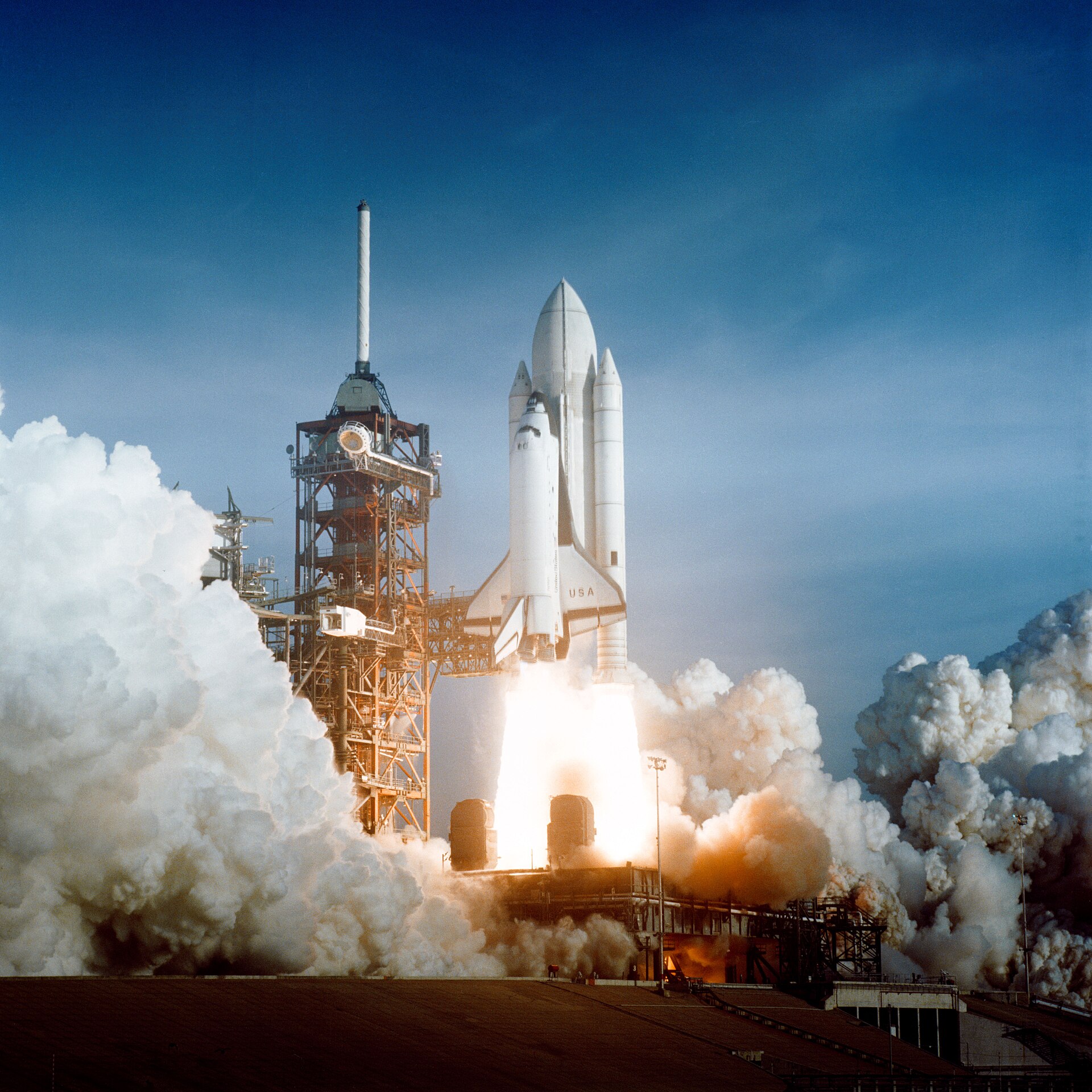
A winged spaceship meant to make orbit routine: across 135 missions from 1981 to 2011 it deployed the Hubble telescope and built the Space Station, but never shook the shadow of Challenger and Columbia and the fourteen astronauts they took.
Born
1981 CE
Died
2011 CE
Lived
30 years
Dead for
15 yrs
At its peak
135 missions flown over 30 years by a fleet of five orbiters
Cause of death
Replaced · Disaster
Replaced by
Commercial crew vehicles (SpaceX Dragon) and the Russian Soyuz
The Obituary
The Space Shuttle was NASA’s attempt to make spaceflight reusable and routine: a winged orbiter that launched like a rocket and landed like a glider. Across 135 missions from 1981 to 2011, its five orbiters deployed the Hubble Space Telescope and assembled most of the International Space Station. But the promised cheap, frequent access never came; each flight cost hundreds of millions, and the vehicle was fragile. Challenger exploded shortly after launch in 1986 and Columbia broke apart on re-entry in 2003, killing fourteen astronauts in all. NASA retired the fleet in 2011, ending with STS-135.
Worth remembering
It deployed the Hubble Space Telescope and built most of the International Space Station.
Challenger broke apart 73 seconds after launch in 1986; Columbia disintegrated on re-entry in 2003.
Gallery
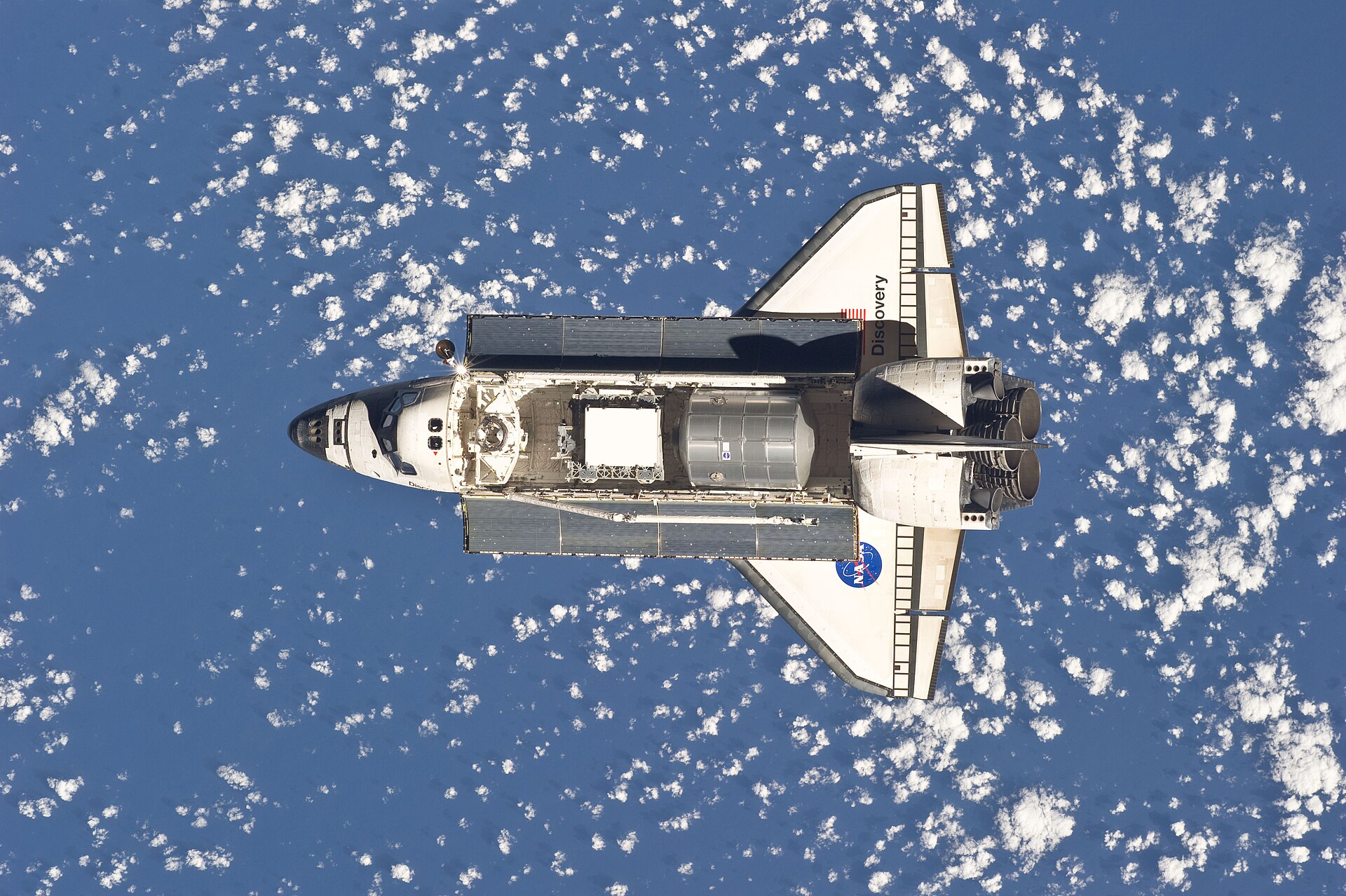
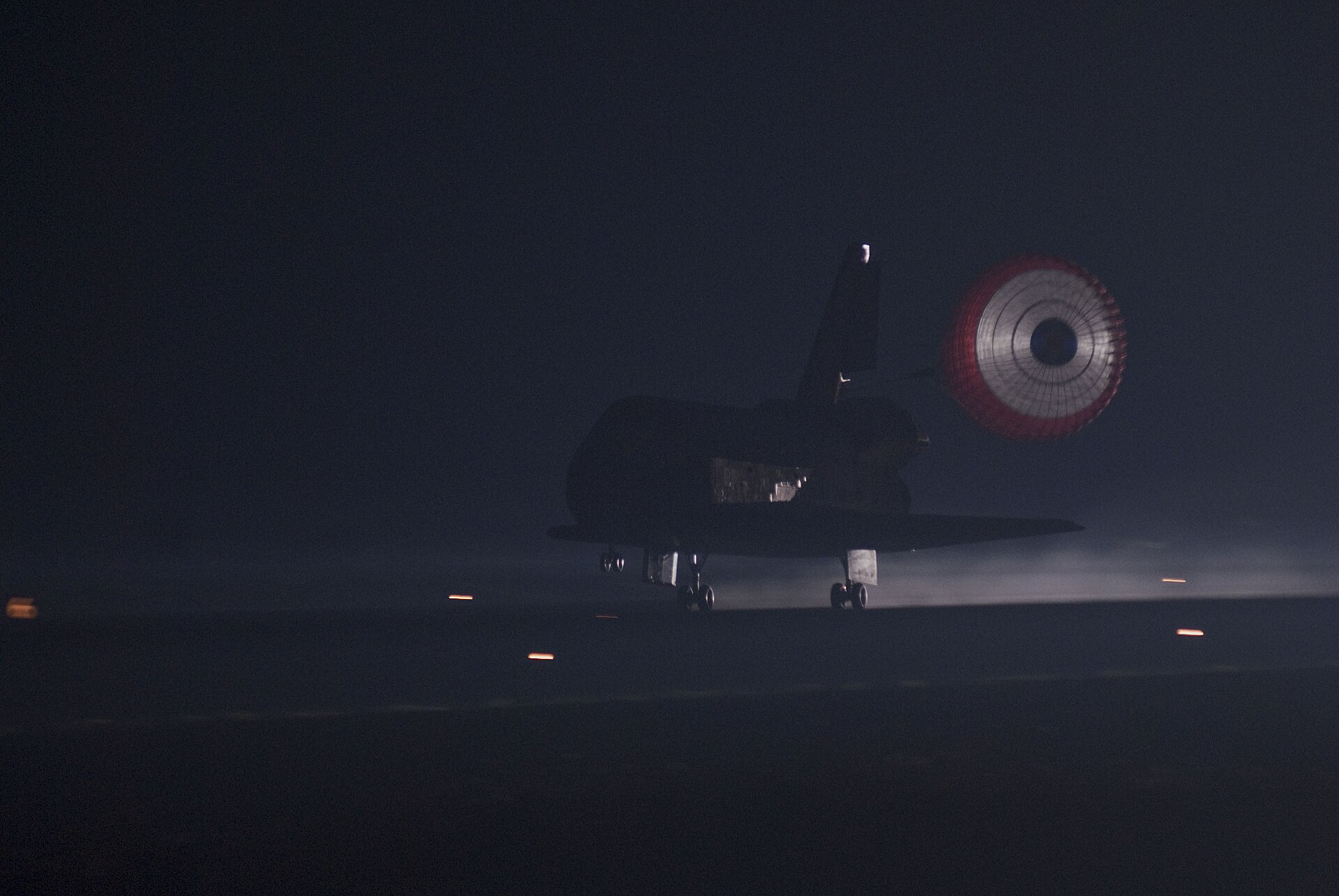
Space Shuttle Discovery approaching the International Space Station during STS-133Public domainSpace Shuttle Atlantis with drag chute deployed on its final landing, STS-135Public domain
Watch
The final Space Shuttle launch (Atlantis, STS-135, 2011) — NASA
Sources
Space Shuttle flew 135 missions, 1981-2011 Wikipedia
Challenger (1986) and Columbia (2003) disasters killed 14 astronauts Wikipedia
NASA's Space Shuttle program flew 135 missions over 30 years (1981–2011), deploying Hubble and building the ISS before retirement after two fatal disasters NASA
STS-135, the final Shuttle mission, landed at Kennedy Space Center on July 21, 2011, ending 30 years of Shuttle flights NASA
A graveyard tradition: leave a stone to show you came, and remembered.
Buried nearby — by shared fate or a neighbouring lifespan.