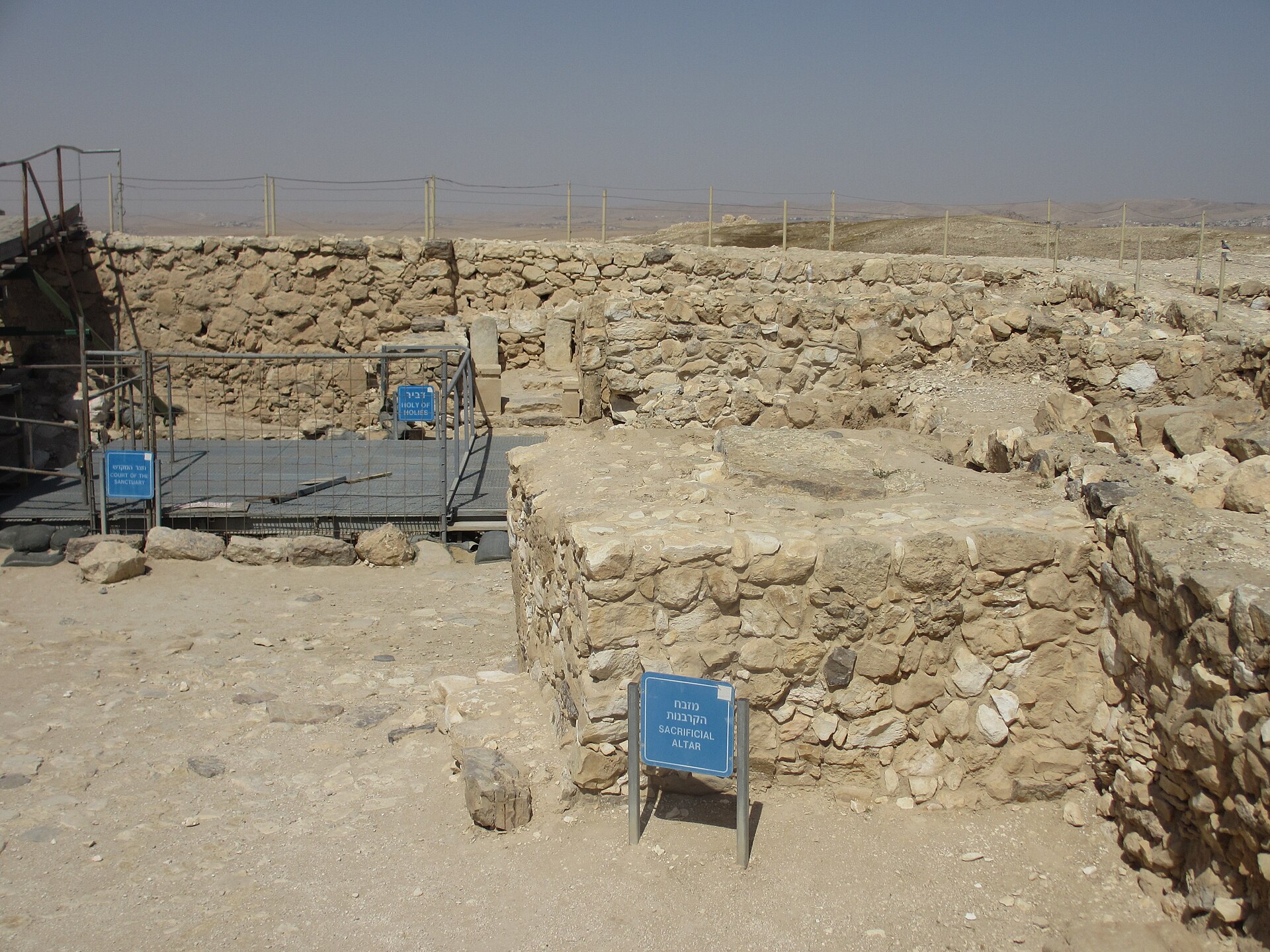
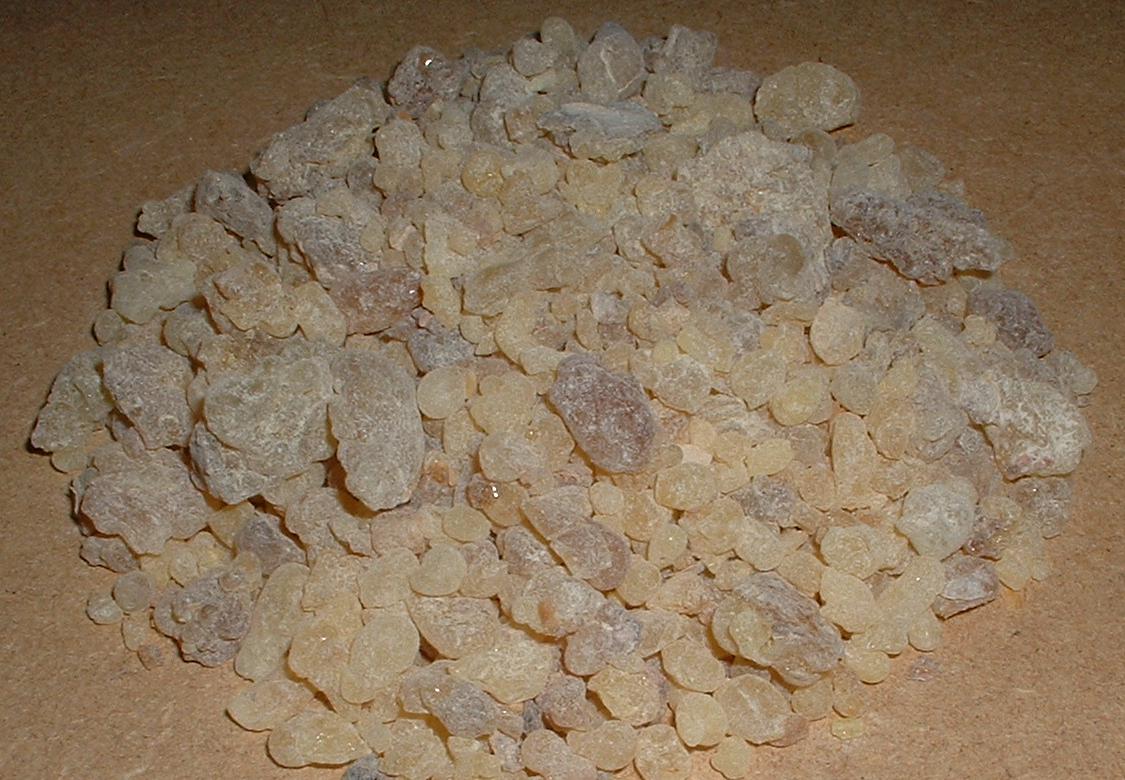
The ketoret was burned every morning and evening on the golden incense altar inside the Jerusalem Temple, its secret smoke-raising ingredient — ma’aleh ashan — prepared by the Avtinas family alone. The Talmud gives eleven ingredients — balsam, myrrh, cassia, spikenard, saffron, costus, aromatic bark, frankincense, stacte, galbanum, and salt of Sodom — alongside instructions for their proportions and preparation. A twelfth element, ma’aleh ashan (“smoke-raiser”), appears in some sources: the ingredient that made the smoke ascend in a perfectly straight vertical column rather than dispersing.
The identity of ma’aleh ashan was a secret held exclusively by the Avtinas family, who prepared the incense across generations. The Talmud records that the Sages pleaded with them to share it, fearing the knowledge would die with them. The family refused, saying they did not want it used for pagan incense; their reason was principle, not greed. When Greek scholars were sent to Alexandria to investigate the botanists and perfumers there, they found nothing comparable and returned empty-handed. The straight-rising column of smoke — something that awed witnesses for centuries — came from a single ingredient whose identity remains completely unknown.
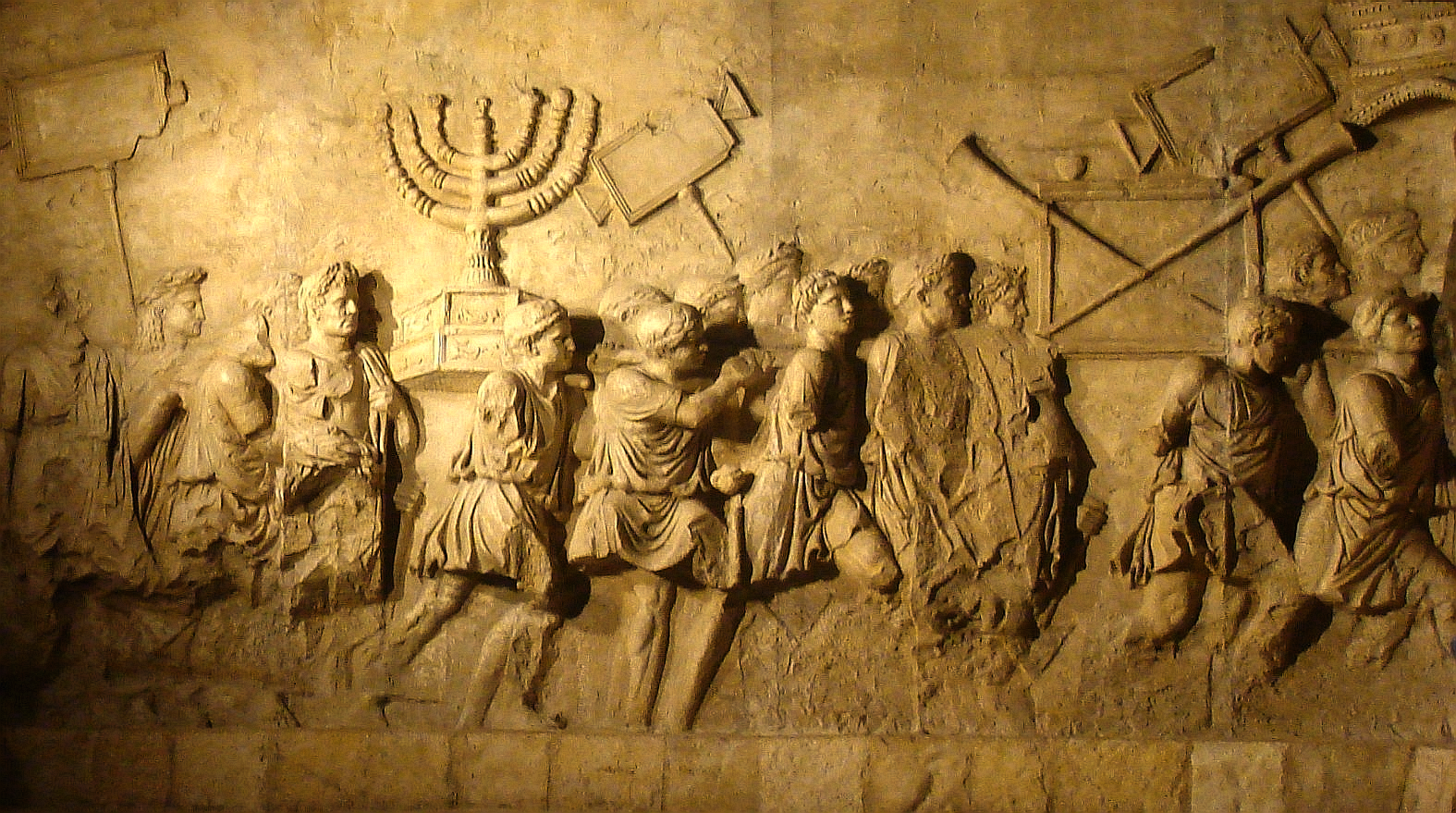
The Temple was destroyed by Rome in 70 CE. Jerusalem was razed, its population killed or enslaved. The Avtinas family, like most of the Temple’s priestly and specialist families, perished. The ingredient list survived in the Talmud; the preparation knowledge did not. For two thousand years scholars, chemists, and botanists have tried to identify ma’aleh ashan. The candidates (Leptadenia pyrotechnica, some Ferula species, others) are guesses, none confirmed. The smoke still rises, if you imagine it. Whatever made it vertical is gone.
Worth remembering
- The Talmud records that the Avtinas family refused to share their smoke-raising secret with the Sages despite repeated demands; when asked why, they replied that they did not want the knowledge used for idol worship — they took an art that existed nowhere else in the world to their graves on principle.
- The incense was burned twice daily — at morning and twilight — in the inner Temple; according to rabbinic sources its fragrance could be detected as far as Jericho, roughly 27 km away, on a still day.
Gallery
Sources
- The ketoret was composed of eleven specified ingredients; the Avtinas family held the exclusive secret of its preparation, including the identity of a smoke-raising herb; the Talmud records that they refused to share this knowledge even under Sages' pressure, and it was lost in 70 CE Wikipedia
- The smoke of the Temple incense rose in a perfectly straight column; the ingredient responsible — ma'aleh ashan — is unidentified; Greek scholars sent to Alexandria to investigate could not determine it Chabad.org
A graveyard tradition: leave a stone to show you came, and remembered.