The Sumerian mountain mother who shaped humankind from clay alongside Enki, her nurturing name long since gone barren in memory.
Born
3000 BCE
Died
100 CE
Lived
3,100 years
Dead for
1,926 yrs
Cause of death
Forgotten
Replaced by
Christianity and Islam in the later Near East
The Obituary
Ninhursag was the Sumerian mother goddess of the earth and fertility, also called Ninmah, Nintu, Nintur, or Aruru, city goddess of Adab and Kish, ranked among the chief deities of the pantheon and counted among the Anunnaki. The divine midwife, she was credited with helping shape the first humans from clay alongside Enki, and in the Dilmun paradise myth she births eight healing deities to mend the gods’ wounded body parts. Worshipped across Sumer and Babylonia for nearly three thousand years, her cult faded under the later empires of Mesopotamia and ended in the early centuries CE, the mother of humankind herself forgotten by her children.
Worth remembering
As the divine midwife she was said to have helped fashion the first humans from clay, shaping them alongside Enki.
In the paradise myth of Dilmun, she curses Enki for eating her sacred plants, then relents and births eight healing deities to mend each part of his body that aches.
Gallery
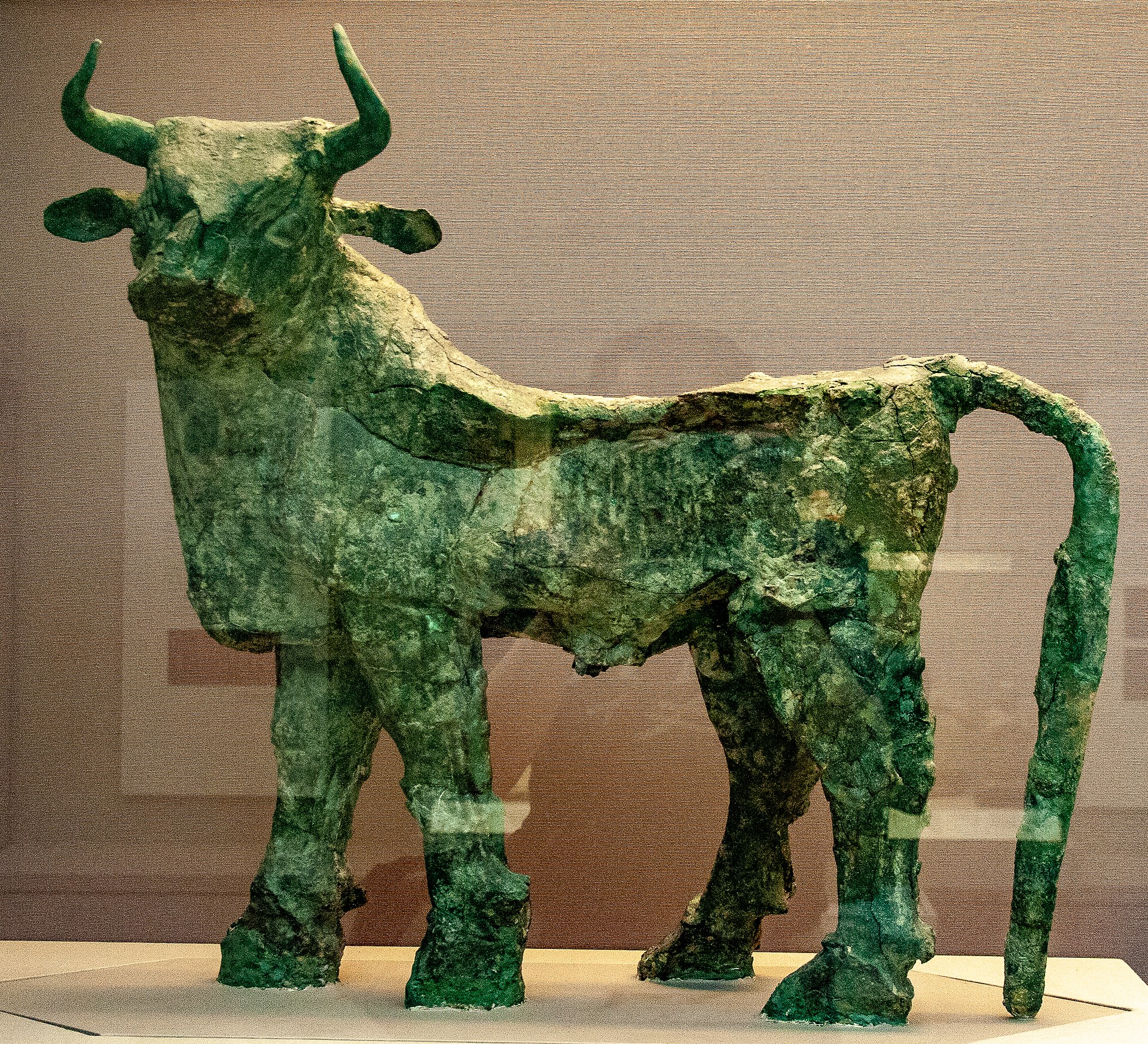
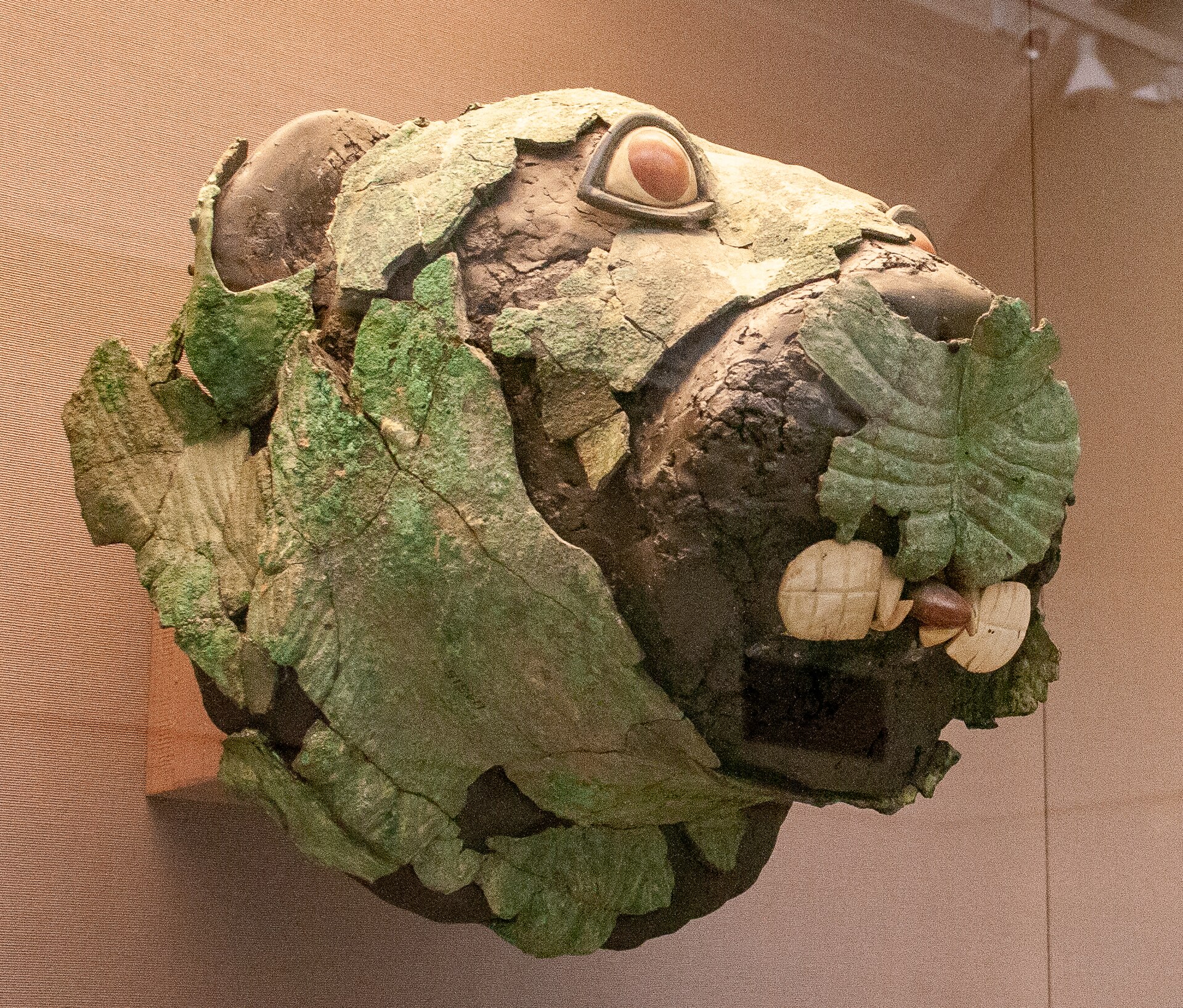
Copper-alloy bull figure from the temple of Ninhursag at Tell al-UbaidUnknown artist · CC BY-SA 4.0Lion head ornament from the temple of Ninhursag at Tell al-UbaidUnknown artist · CC BY-SA 4.0
Sources
Ninhursag was the Sumerian mother goddess of the earth and fertility, sometimes called Ninmah or Nintu, one of the chief deities of the pantheon. Wikipedia
In the myth of Enki and Ninhursag, she creates plants and later eight deities to heal Enki's ailing body parts. World History Encyclopedia
Ninhursag was city goddess of Adab and Kish and bore alternate names including Ninmah (Exalted Lady), Aruru, and Nintur (Lady Birth Giver); she was counted among the Anunnaki and held power over wildlife in the foothills and desert Encyclopaedia Britannica
A graveyard tradition: leave a stone to show you came, and remembered.
Buried nearby — by shared fate or a neighbouring lifespan.