Osama Shukir Muhammed Amin FRCP(Glasg) · CC BY-SA 4.0
Fallen Gods
Enlil
Ellil
3000 BCE100 CE
Lord of wind and command, keeper of the Tablet of Destinies who from his temple at Nippur once decreed the fates of gods and men, his word now scattered like the air he ruled.
Born
3000 BCE
Died
100 CE
Lived
3,100 years
Dead for
1,926 yrs
Cause of death
Forgotten
Replaced by
Christianity and Islam in the later Near East
The Obituary
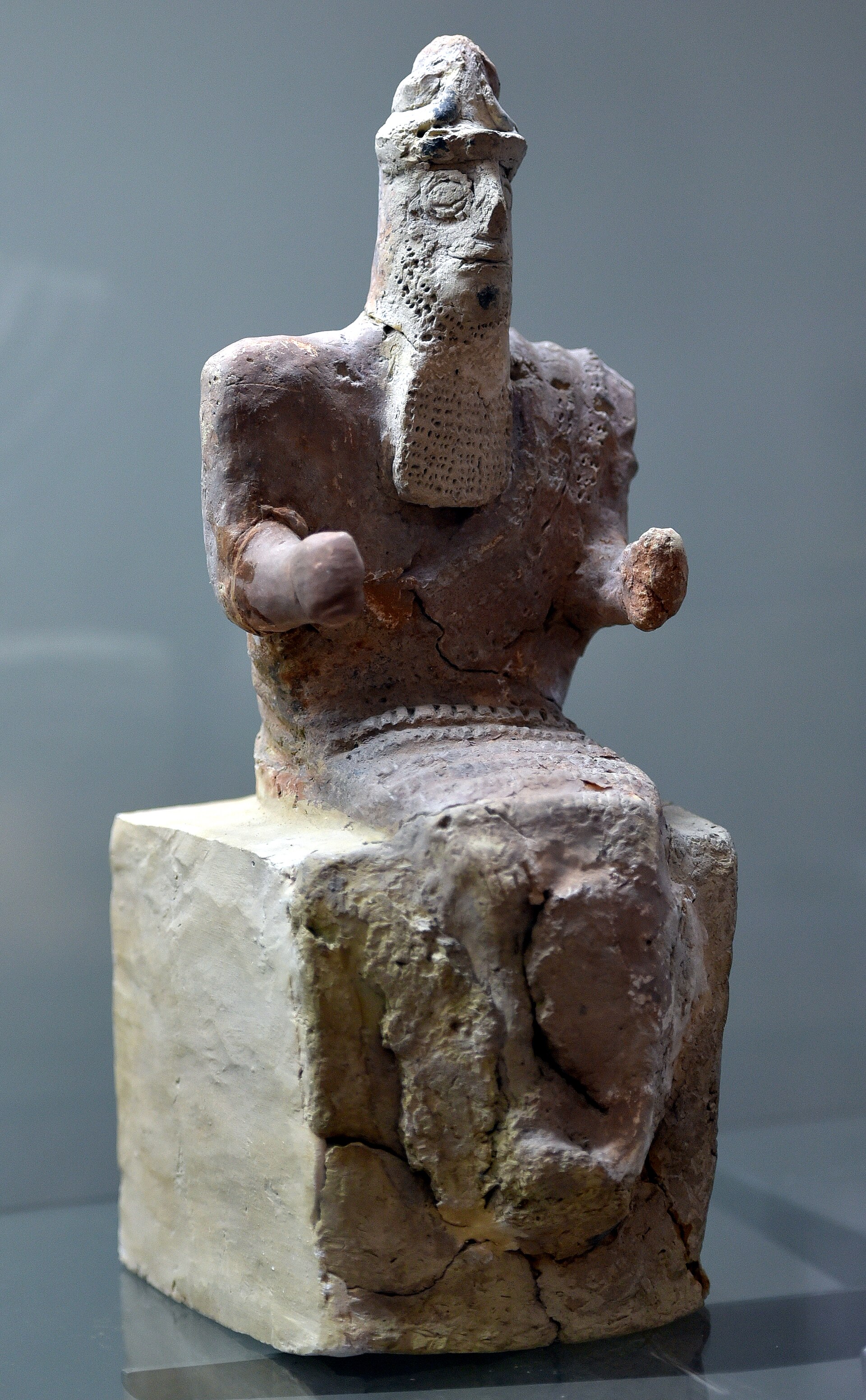
Enlil (also Ellil) was the chief god of the Sumerian pantheon, lord of wind, air and the storm, whose decrees were thought unalterable and whose blessing legitimized every king. From his temple Ekur at Nippur, regarded as the link between heaven and earth, he was said to hold the Tablet of Destinies and to have sent the great flood against noisy humanity. Worshipped for nearly three thousand years across Sumer and Babylonia, his cult declined under the later empires that ruled Mesopotamia and ended in the early centuries CE, leaving the wind-god forgotten.
Worth remembering
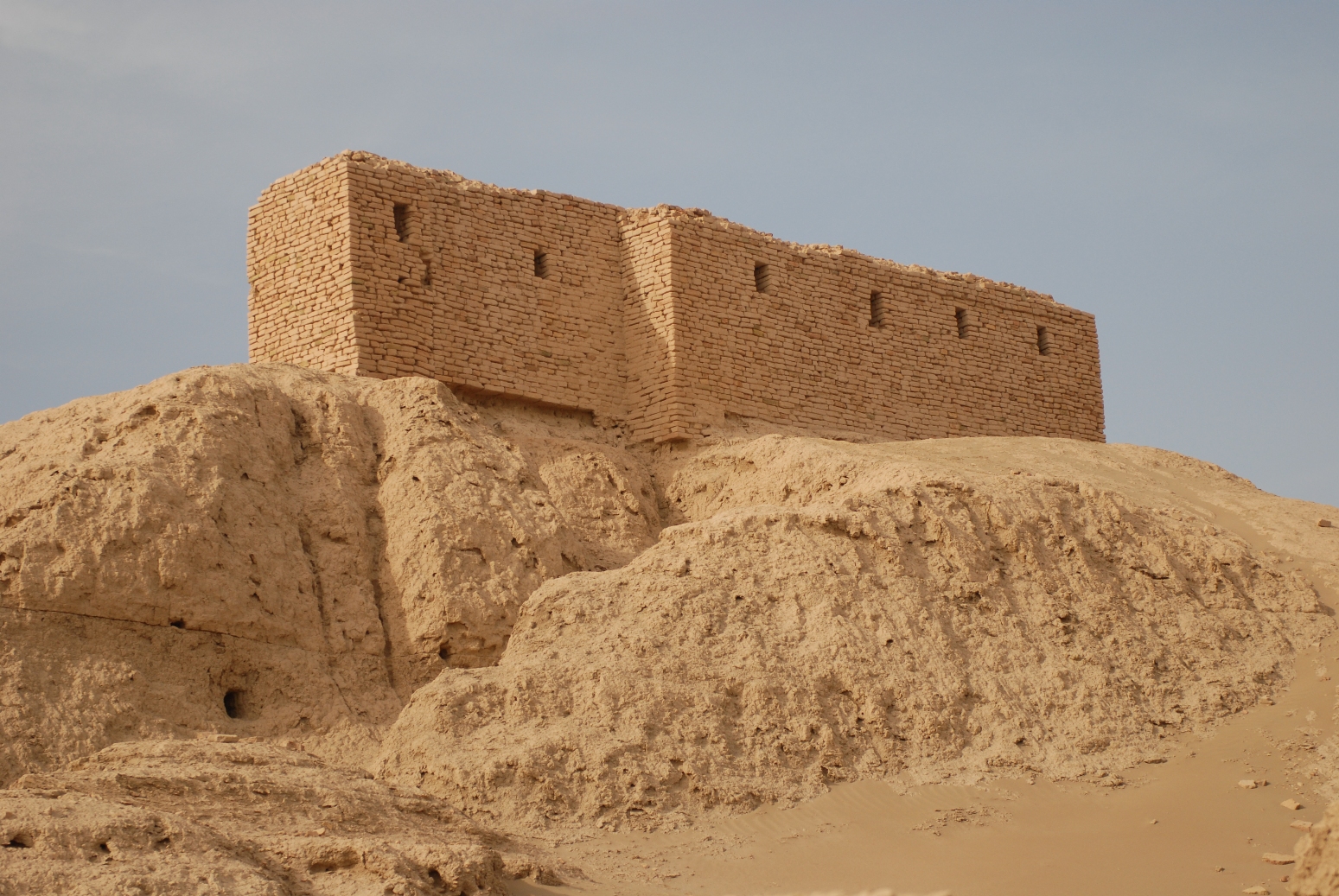
His temple Ekur at Nippur was thought to be the bond between heaven and earth, and no king could rule legitimately without Enlil's blessing.
In several myths he sends the great flood to wipe out noisy humanity, only to be thwarted when a wise god warns one man to build a boat.
Gallery
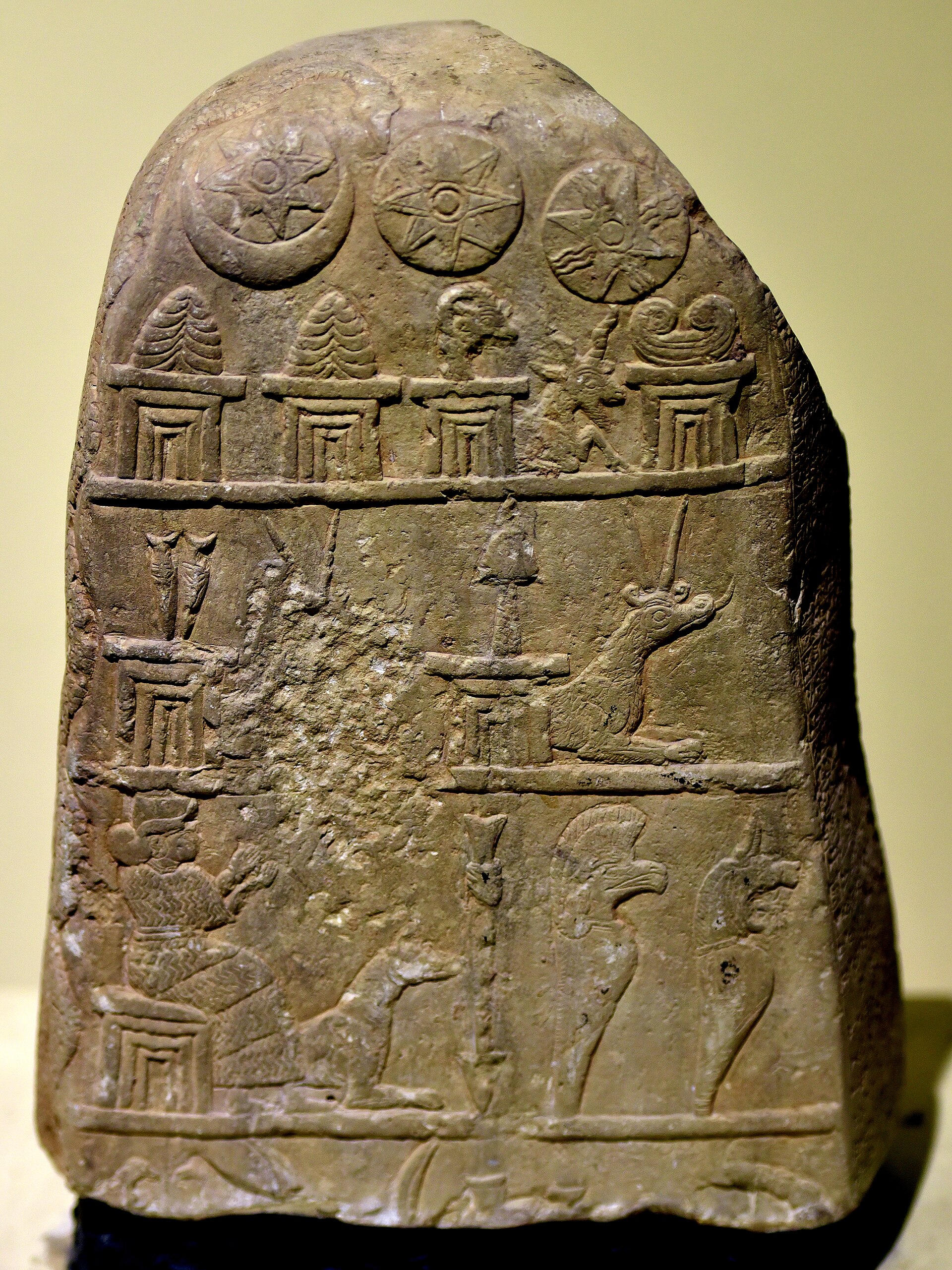
Ruins of an ancient temple at Naffur (ancient Nippur), Iraq, cult center of the god EnlilPublic domainKassite-period kudurru boundary stone bearing divine symbols including that of Enlil, 15th-11th century BCE, Iraq MuseumOsama Shukir Muhammed Amin FRCP(Glasg) · CC BY-SA 4.0
Sources
Enlil was the Sumerian god of wind, air, earth and storms, head of the pantheon, whose chief cult center was Nippur. Wikipedia
Enlil held the Tablet of Destinies and his decrees were considered unalterable; he was central to the Sumerian flood narratives. World History Encyclopedia